Donald Trump's pronouncements on global peacemaking and intervention have hit a wall, with recent interventions revealing a stalemate rather than decisive victories. Efforts to mediate ceasefires, particularly concerning the Gaza conflict, and his earlier boasts of resolving the Russia-Ukraine war in 24 hours, underscore a persistent difficulty in translating stated ambitions into tangible outcomes.
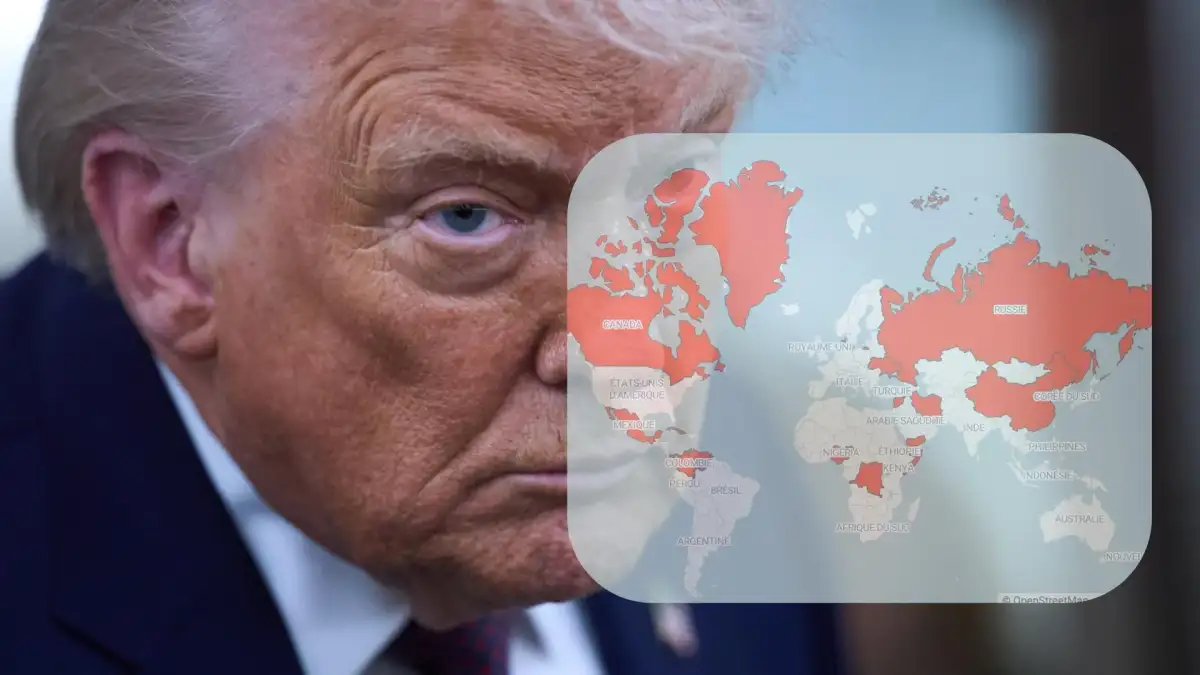
US standing abroad appears diminished, with actions characterized by a disregard for established international norms and a move away from post-World War II trade frameworks. The administration's approach, emphasizing unilateral action and a transactional style of diplomacy, has alienated traditional allies and strained existing alliances, such as NATO.
A Pattern of Friction
Trump's foreign policy, framed by an "America First" ethos, has frequently encountered friction with global realities. This approach has led to what critics describe as an "American self-mutilation" on the international stage.
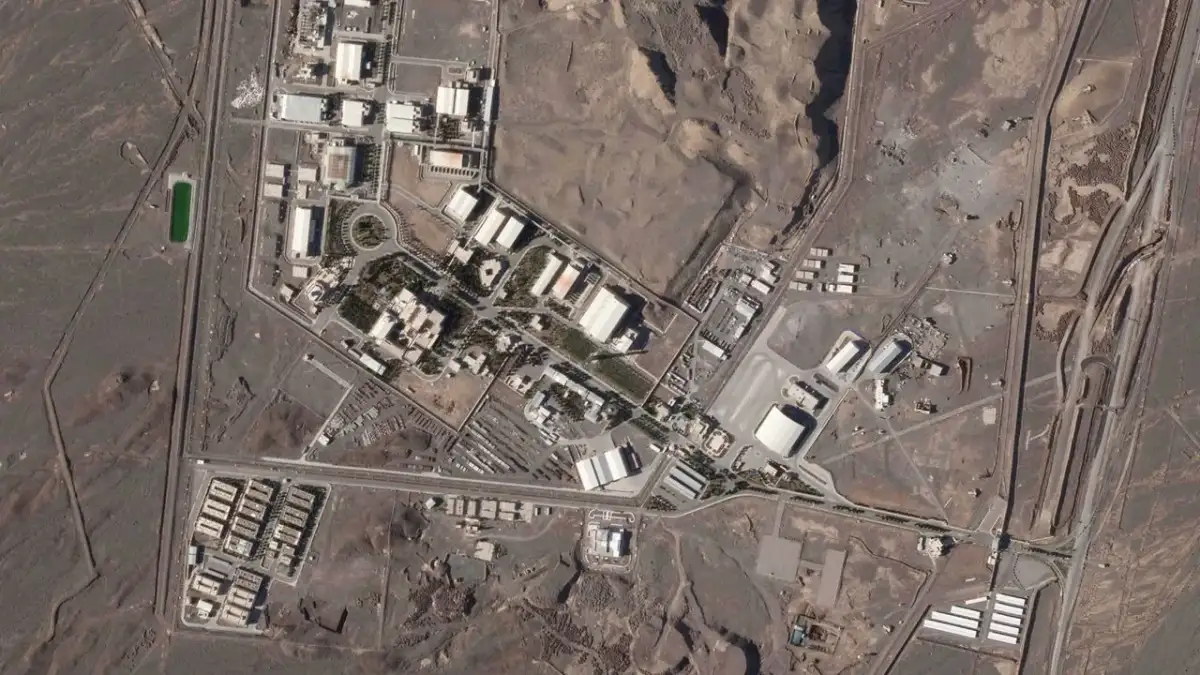
Read More: Iran Zagros Mountain Nuclear Site Construction Update April 2026
Territorial Ambitions and Disregard for Law: Comments regarding countries like Canada and Greenland suggest a shift towards a more expansionist mindset, accompanied by a disregard for international law. This signals a departure from previous diplomatic norms.
Shift in Trade and Commerce: The US, under Trump's direction, has actively moved away from the international trade rules established after World War II. This has been officially justified by combating narcoterrorism, corruption, and illegitimate regimes, but has led to broader trade disputes.
Erosion of Soft Power: The emphasis on a "force" approach over "seduction" has reportedly devalued American soft power, a key element in the nation's previous global influence. This focus on assertive tactics, rather than cultural or diplomatic influence, is seen as a deliberate shift.
Interventions and Their Aftermath
Recent actions in conflict zones highlight the challenges Trump faces. In Yemen, the US has conducted a significant number of strikes, suggesting a sustained, yet perhaps inconclusive, engagement in counter-terrorism efforts. Simultaneously, the Gaza conflict has seen continued bombardments by the Netanyahu government, even as Trump has expressed a desire for peacemaking.
This pattern suggests a dichotomy between Trump's stated goals of global peacemaking and the complex realities on the ground, where entrenched conflicts and differing political agendas make swift resolution elusive. The threat of annexation of Greenland is also cited as an action that has eroded trust within NATO, further complicating US diplomatic efforts.