Global oil prices have surged to their highest levels during the Trump presidency, prompting an emergency meeting among G7 nations. President Trump, however, has dismissed concerns over the spike, calling critics "fools" and characterizing the situation as a "very small price to pay" for ensuring global safety and peace.
The G7 nations convened an emergency session to discuss the escalating oil prices, a move indicating the gravity of the market's nervousness. Financial Times reports suggest that G7 member states are considering the use of emergency oil reserves to increase supply and attempt to curb price increases.
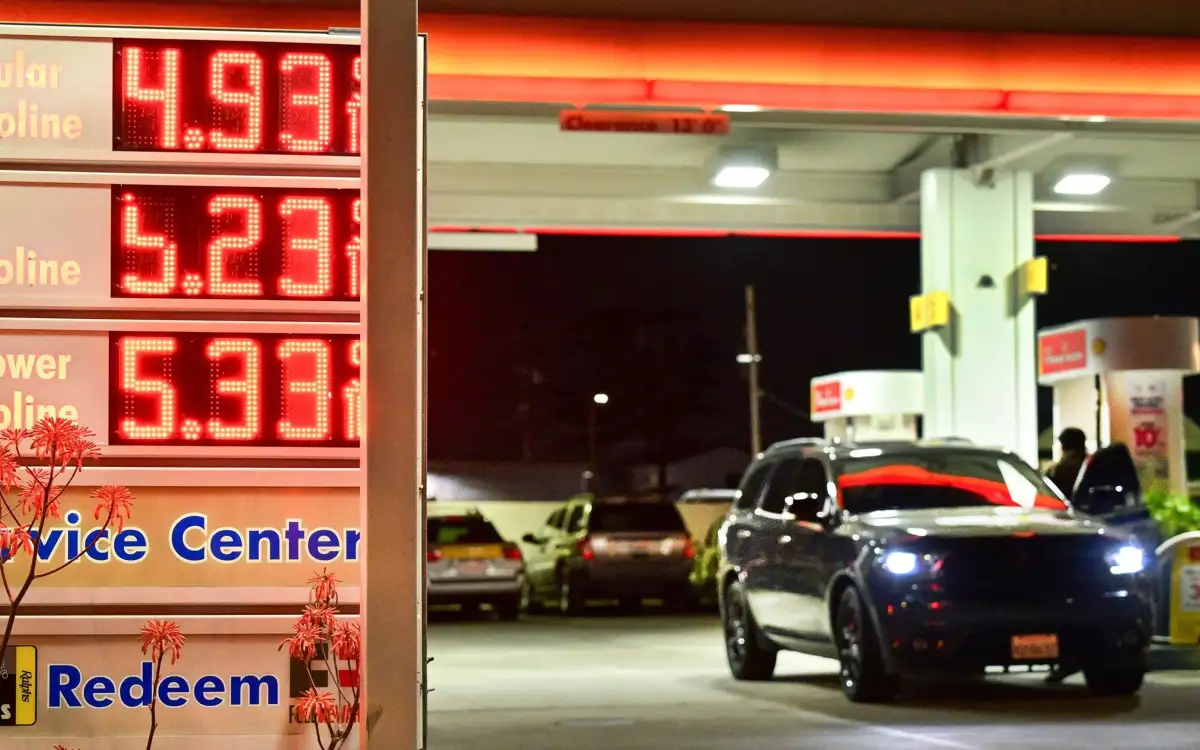
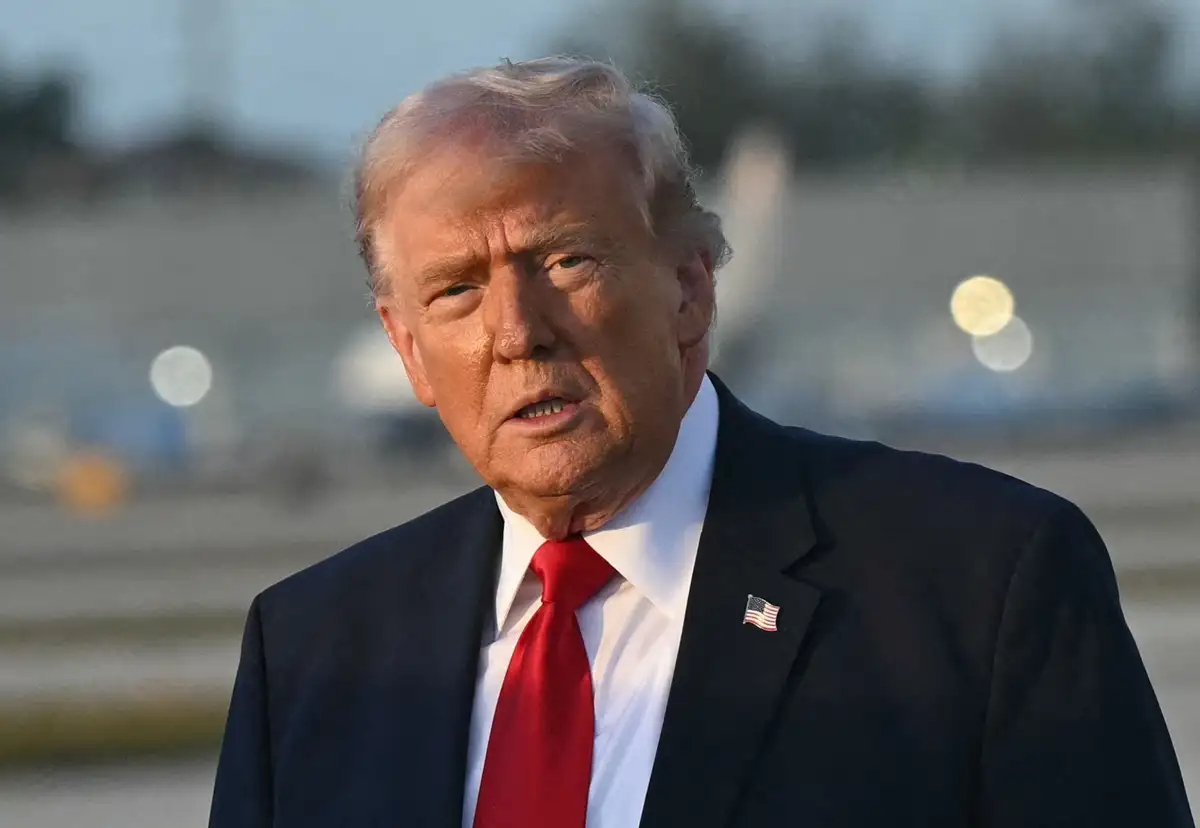
President Trump, addressing the situation on his Truth Social account, asserted that short-term oil price fluctuations would "drop rapidly" once the perceived "Iran nuclear threat" is neutralized. He suggested that any current price increases were temporary and a necessary cost for achieving peace and security. This stance comes as gas prices have reportedly soared to their highest point within Trump's terms.
Read More: Goldman Sachs predicts 15 million US jobs lost to AI by 2036
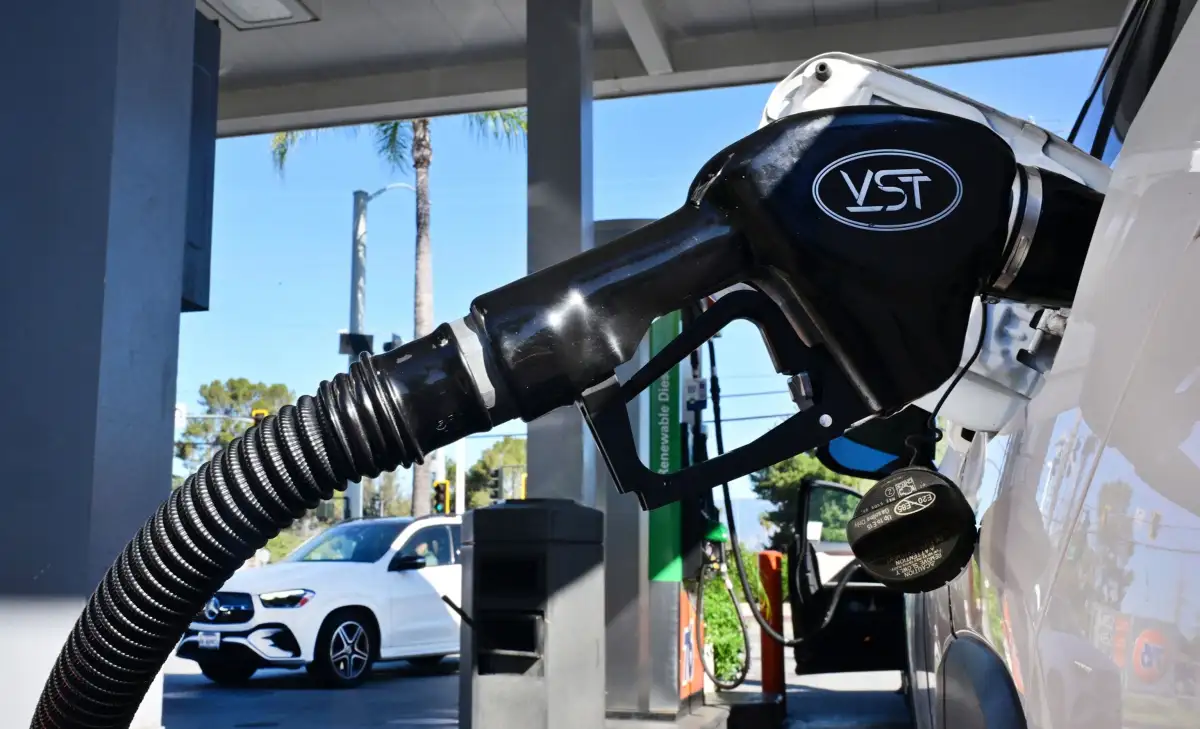
While the Trump administration has reportedly discussed measures such as providing insurance for maritime trade in the Gulf, deploying naval escorts for tankers, and potentially lifting sanctions on Russian oil, the internal discussions suggest a degree of surprise at the market's reaction. Sources familiar with internal discussions indicated that the administration had anticipated some initial surge but was caught off guard by the "size and sustainability of the market reaction."

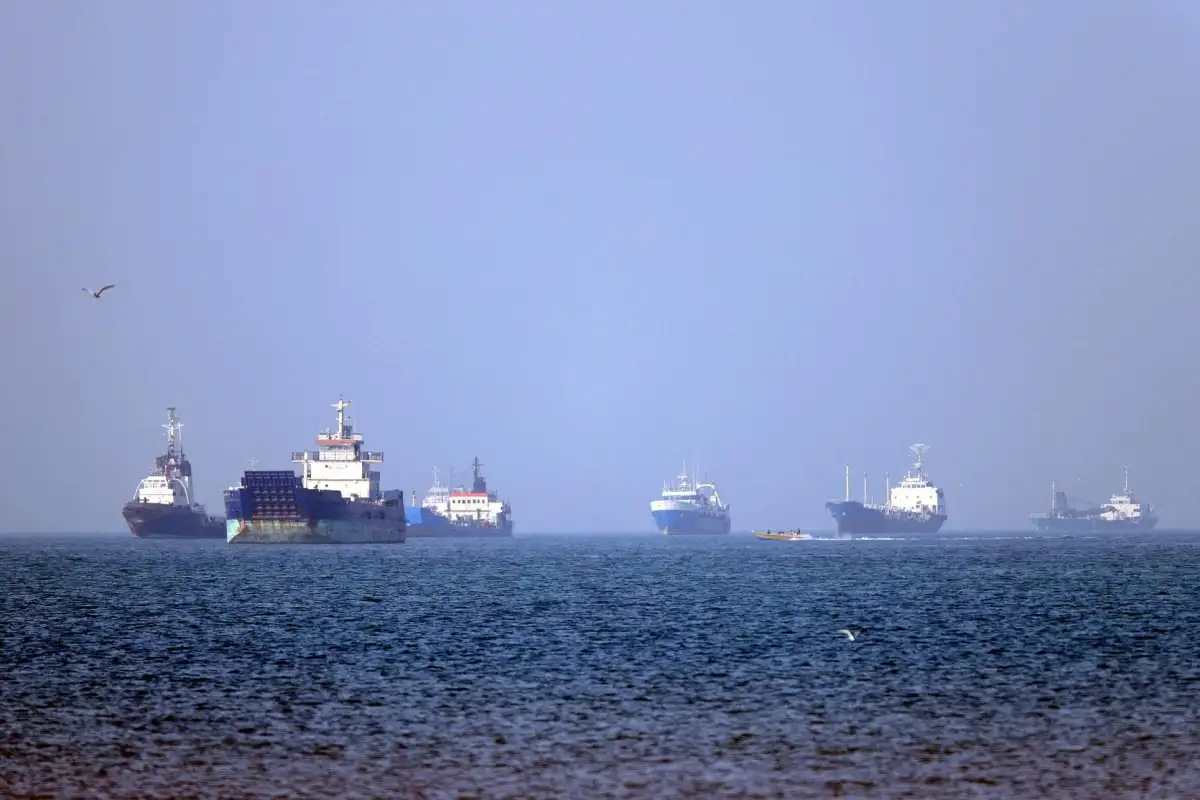
Some political figures have called on the administration to tap the Strategic Petroleum Reserve (SPR) to provide relief. However, Trump has deflected such suggestions, reportedly criticizing former President Joe Biden's past use of the reserve. The situation unfolds against a backdrop of military actions against Iran, which have disrupted traffic through the Strait of Hormuz, a critical chokepoint for global petroleum transit.
Read More: Nations Championship rugby starts 7 April 2026 with new point system
The administration has reportedly explored more aggressive options, including potential restrictions on U.S. exports, the imposition of price controls, and direct intervention in oil futures markets. Energy experts suggest these measures might offer only marginal benefits. Companies have also been pressed to accelerate production, though their inclination to do so without clear price certainty remains limited.
Historically, statements from the U.S. administration regarding Iran have influenced oil prices. In February 2026, oil prices reportedly slid after Trump signaled potential negotiations with Iran, easing fears of a supply shock. At that time, Iran's top security official had indicated preparations for negotiations, and analysts suggested the administration's sensitivity to oil prices could temper further escalation.
The current situation also presents a political quandary, particularly given Trump's 2024 campaign promises to lower gas prices, including a specific pledge to bring them below $2 a gallon. Critics have pointed to a potential contradiction between his current justification for military action – "the destruction of the Iran nuclear threat" – and his prior statements claiming the program had been "completely and totally obliterated."
Read More: New ways to measure AI's impact on jobs and economy