A significant movement is underway to consolidate the fragmented landscape of artificial intelligence tools, aiming for smoother interactions across different devices and platforms. Developers are actively building systems that allow AI models to function seamlessly whether accessed through cloud services or executed locally on user hardware. This effort seeks to mitigate issues like the disjointed transfer of AI-generated content between desktops and mobile devices, a friction point noted in recent discussions on Microsoft's tech community.
The core of this trend involves creating standardized protocols and unified client applications that can interface with various AI models and deployment environments. The objective is to enable users to initiate tasks on one device and continue them effortlessly on another, maintaining context and operational continuity.
Standardized Protocols Emerge
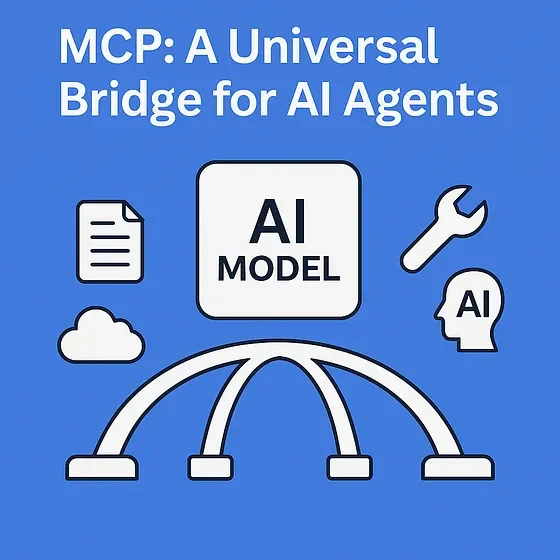
The 'Model Context Protocol' (MCP) is positioned as a foundational element in this push for uniformity. This open-source standard outlines how AI clients and servers should communicate, fostering a more cohesive development environment. Companies like Synogize are leveraging MCP to build what they term a "universal bridge for AI agents," enabling these agents to work together regardless of their underlying vendor, framework, or operational setting. Platforms such as AX, the AI Agent Collaboration Platform, are built upon MCP, offering a unified workspace for connecting, managing, and orchestrating diverse AI agents. This approach promises to streamline development and deployment for organizations orchestrating multiple AI systems.
Read More: New Game Connects Actors By Shared Movies

Client Applications Aim for Ubiquity
Simultaneously, client applications are emerging with the explicit goal of unifying the user experience across platforms. A notable example is the 'cross-platform-llm-client' project on GitHub. This initiative allows users to run large language models (LLMs) locally on devices, including Android and iOS, utilizing GPU acceleration. It also supports transitions to standard cloud APIs, giving users granular control over model execution and offering the possibility of using "uncensored language models."
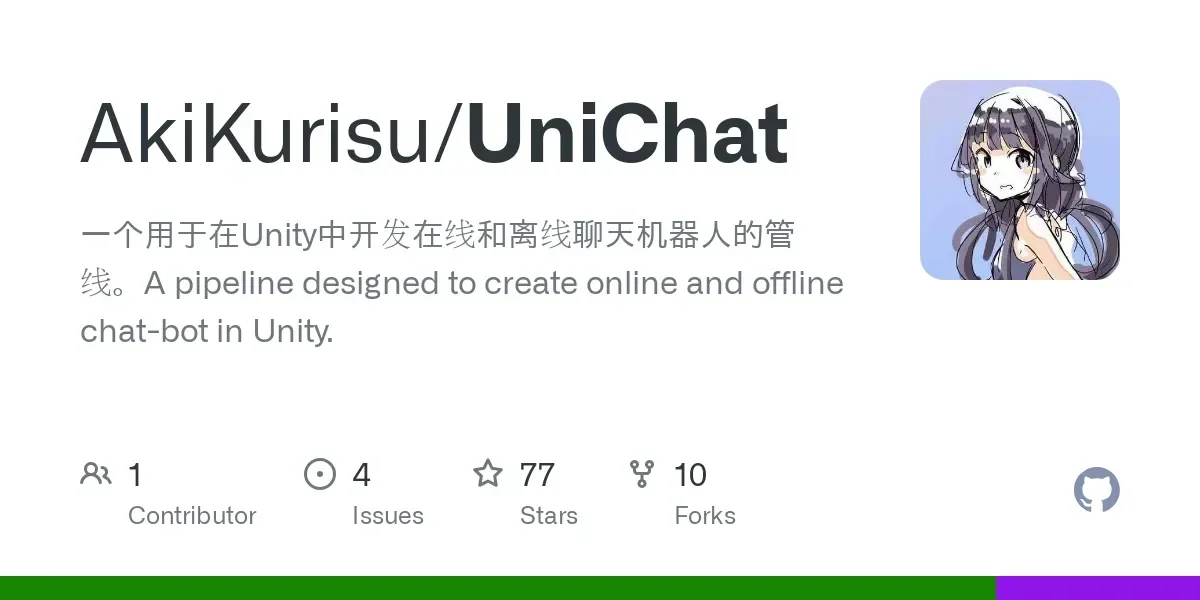
Another such client, UniChat, offers a cross-platform chat interface that allows users to connect to multiple LLMs via API keys for services like OpenAI and Anthropic. It also features a plugin manager for community-developed extensions, further enhancing its utility and adaptability.
Benefits Highlighted
The broader advantages of this unified approach are frequently discussed. Enhanced operational efficiency is a key benefit, with unified AI platforms streamlining processes, reducing manual interventions, and cutting down on overall process times. Glean.com perspectives point out that the solution lies not in simply adding more AI tools, but in fundamentally rethinking how these systems interact. Platforms like Trigent's "Unified AI Management Platform" aim to provide a single workspace for integrating various AI services like ChatGPT, Gemini, and Claude, offering full-stack observability, real-time efficiency scoring, and usage analytics. This provides companies with greater visibility and control over their AI adoption and deployment.
Read More: OpenAI Real-Time Voice AI Models Released May 2026 For Faster Speech