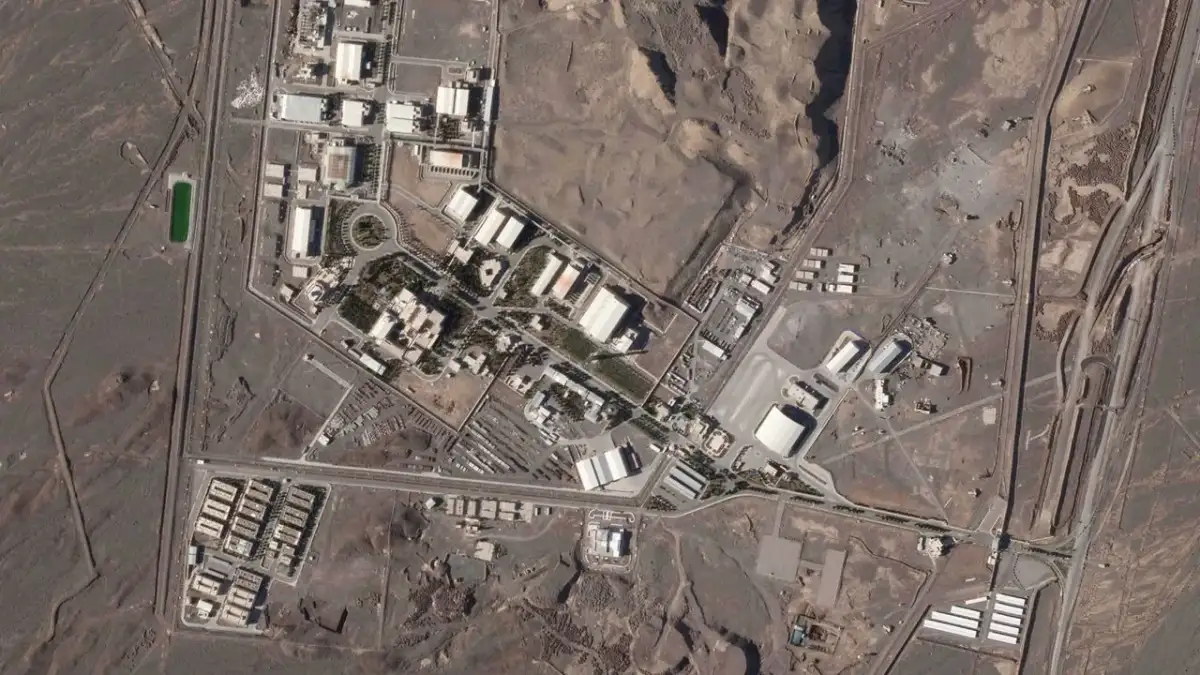
Donald Trump has publicly lambasted "fake news" media outlets, particularly challenging reports suggesting Iran has ceased negotiation efforts. His statements arrive as a complex web of international relations and conflicts, including the protracted war in Iran and escalating tensions in the Strait of Hormuz, continues to unfold. This strong pushback against media narratives appears to be a deliberate tactic to control the public perception of his administration's foreign policy amidst significant geopolitical turbulence.
Further complicating the landscape, Trump's administration has been actively involved in diplomatic maneuvers and military posturing. Reports indicate discussions with Iran about potential agreements, including issues surrounding nuclear capabilities and the reopening of the Strait of Hormuz. Simultaneously, the US has been imposing sanctions, particularly on Iran's oil sales to China, even while negotiating a ceasefire in Lebanon with Hezbollah. This juxtaposition of aggressive action and diplomatic overtures underscores the multifaceted nature of the current international climate.
Read More: Taiwan Holds Nantou County Drills to Prepare for State Collapse
Shifting Sands of Diplomacy and Conflict
The ongoing conflict in the Middle East, particularly involving Iran, remains a central theme in recent reports. Trump has asserted that Iran has committed to not pursuing nuclear weapons and has sought agreements that would facilitate trade and passage through the Strait of Hormuz. However, these claims are often met with Iranian denials of any definitive agreements, creating a volatile back-and-forth that highlights the fragility of any potential de-escalation. The US has also been instrumental in advocating for the Abraham Accords, pushing for broader normalization between Israel and Arab nations as part of a peace plan with Iran.
Meanwhile, the domestic political scene is equally dynamic. Trump's administration has faced scrutiny over a variety of issues, including the creation of a fund intended to indemnify opponents of President Biden, which has been met with legal challenges and accusations of being a "black box." The administration's approach to immigration has also drawn criticism, with plans to increase quotas for white South African refugees and a controversial comparison of migrants to aliens via a new White House website. These internal political battles, coupled with the international crises, paint a picture of a presidency grappling with multiple, often conflicting, challenges.
Read More: Iran Zagros Mountain Nuclear Site Construction Update April 2026
A Presidency Defined by Contention
Throughout the recent period, Donald Trump has been a consistent figure in global headlines, his actions and pronouncements often generating significant controversy. Reports detail his engagement with world leaders, including Xi Jinping of China and Benjamin Netanyahu of Israel, with varying degrees of stated agreement and underlying tension. His administration has also been involved in military operations, such as the targeting of an ISIS leader in Nigeria and continued US strikes against Iran, even amidst reported ceasefires.
The media's role in this narrative has been repeatedly challenged by Trump, who frequently labels unfavorable reporting as "fake news." This antagonism towards established media outlets appears to be a defining characteristic of his public engagement. Furthermore, his administration has been navigating significant domestic issues, from legal battles to public health pronouncements regarding his own fitness for office. The sheer volume and variety of these events suggest a presidency characterized by persistent conflict and a relentless effort to shape public discourse.
Read More: FBI Analysts Review Georgia 2020 Election Data in Fulton County