The administration of Donald Trump has issued a strategic ultimatum: regional powers, specifically Saudi Arabia and Pakistan, are being pushed to formally join the Abraham Accords and extend diplomatic recognition to Israel. This maneuver is being framed as an integral component of a broader, yet-unfinalized, peace framework intended to de-escalate the ongoing conflict with Iran.
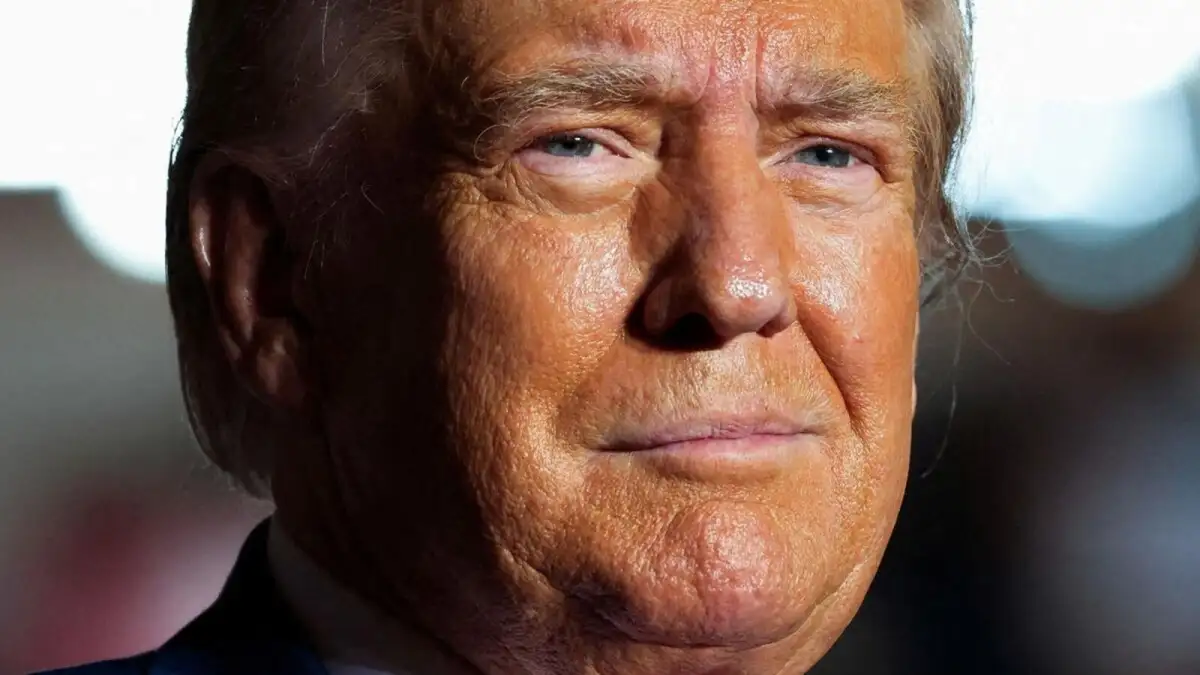
The proposed regional integration acts as a diplomatic anchor for the administration's Middle East policy.
By demanding these states recognize Israel, Trump seeks to solidify a unified front against Tehran while simultaneously attempting to extract himself from a stalemated military engagement.
Observers note the irony of involving Pakistan, a key mediator in the current sensitive negotiations regarding the Strait of Hormuz.
The Deadlock in the Situation Room
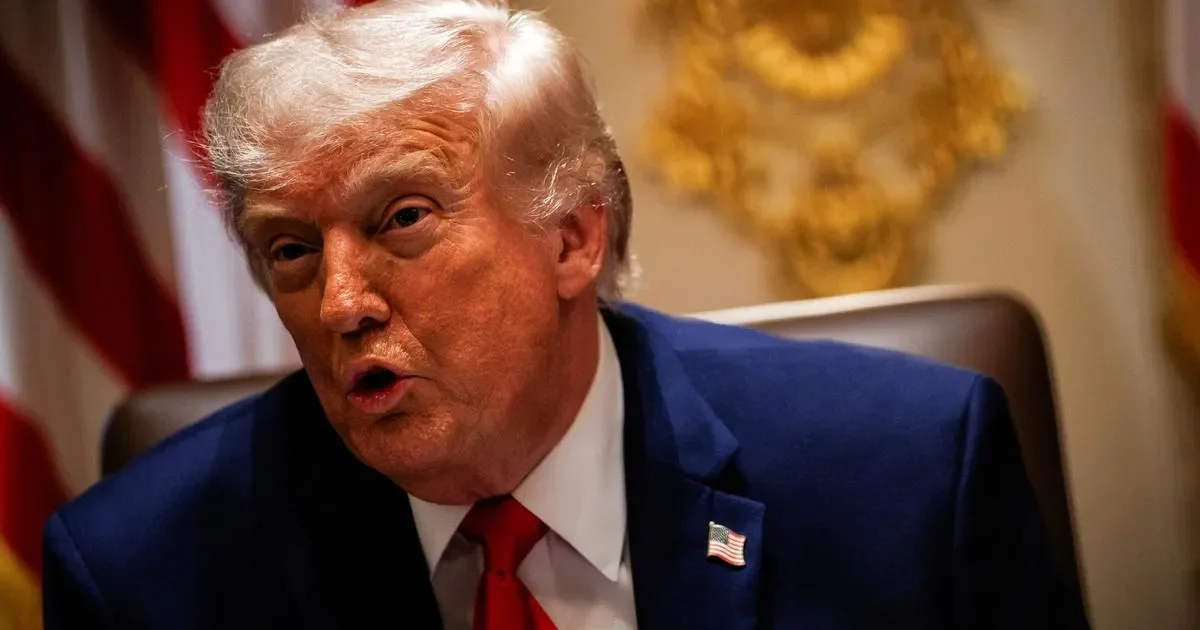
As of today, June 1, 2026, the White House remains caught in a cycle of indecision. Despite multiple proclamations of an "imminent" breakthrough, Trump has failed to authorize the final protocol with Iran. The current impasse centers on a compromise that falls significantly short of the "total victory" the President has promised his electorate for weeks.
| Negotiation Point | Status / Current Stance |
|---|---|
| Strait of Hormuz | Blockaded by Iran; proposed reopening in exchange for eased sanctions. |
| Abraham Accords | Riyadh and Doha under pressure to normalize ties with Israel. |
| Military Operations | Ongoing U.S.-Israeli offensive against regional proxies. |
| Nuclear Stance | Iran claims to have pledged no weaponization; verification remains elusive. |
Strategic Context and Regional Volatility
The push for the Abraham Accords is occurring in a landscape of high instability. Following a cessation of active combat, Iran asserts it has successfully rebuilt its military infrastructure. Simultaneously, the U.S. military continues to execute strikes despite ongoing diplomatic back-channels.
Read More: Taiwan Holds Nantou County Drills to Prepare for State Collapse
The administration’s foreign policy, characterized by aggressive transactionalism, faces mounting pressure from domestic midterms and global economic instability caused by regional volatility. While the President attempts to curate an image of a decisive leader through social media and orchestrated press releases, the structural reality on the ground—characterized by the persistent threat of Chinese influence and a strained relationship with European allies—suggests a policy of isolationist overreach.
Critics emphasize that the "peace" being pursued appears to be a fragile reversion to status quo ante, rather than the systemic transformation Trump initially marketed to his base. Whether this diplomatic pivot can survive the competing demands of the Middle East power grid remains the central question of his 2026 executive agenda.
Read More: AFP Reviews War Crime Claims Against Australian in Gaza