


President Donald Trump has removed Attorney General Pam Bondi from her post, installing Deputy Attorney General Todd Blanche as the acting head of the Department of Justice. This transition, confirmed by the White House on April 2, follows explicit administrative dissatisfaction regarding the department’s internal management, specifically the handling of sensitive investigative records concerning the late financier Jeffrey Epstein.
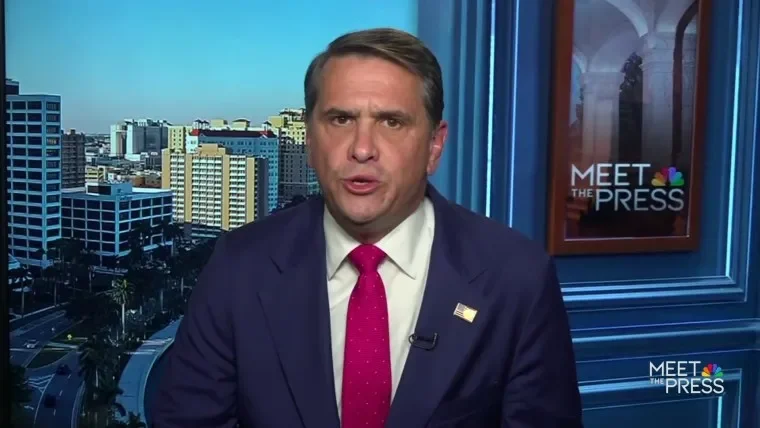
The appointment marks a collapse of the traditional barrier between personal legal counsel and federal law enforcement leadership.
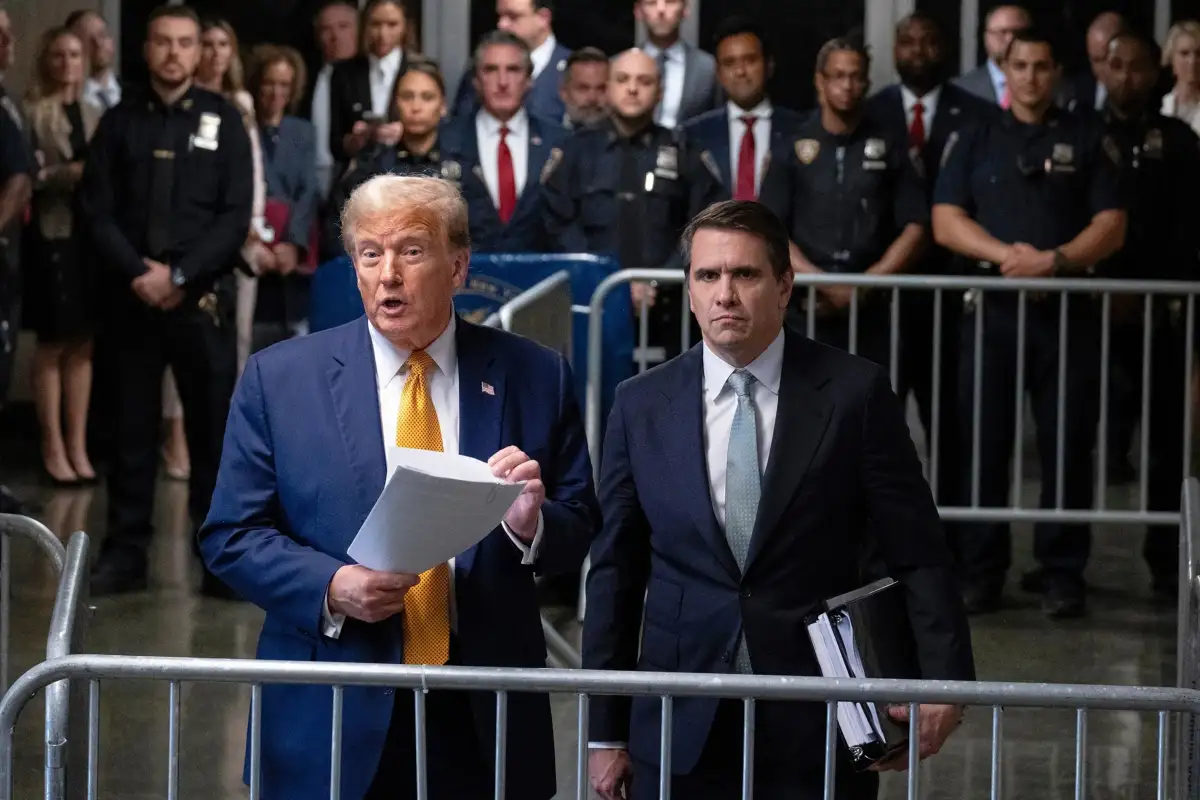
Todd Blanche transitioned from the President’s personal criminal defense counsel—representing him in federal cases—to a senior role in the Department of Justice, and now to its highest office on an interim basis.
The removal of Bondi reflects a volatile alignment between the executive’s legislative agenda and the internal operational failures attributed to the previous leadership.
Blanche brings a history of federal prosecutorial experience from his tenure at the Southern District of New York (SDNY), juxtaposed against his recent history as a private defense advocate for the current administration.
| Timeline Milestone | Professional Status |
|---|---|
| Pre-2024 | Private Counsel for Donald Trump |
| Post-Inauguration | Deputy Attorney General |
| April 2026 | Acting Attorney General |
Institutional Trajectory and Alignment
The appointment is not merely a replacement of personnel; it signals a fundamental restructuring of the Justice Department's Priorities. Blanche, who left the firm Cadwalader, Wickersham & Taft citing internal pressure over his representation of Trump, now sits at the helm of the institution he once fought from the defense table.

The pivot toward Blanche serves as a mechanism for the administration to bypass systemic friction points. By elevating a lawyer intimately familiar with the President's personal legal vulnerabilities, the executive branch is prioritizing direct oversight of the Epstein Files and other unresolved investigations that created the friction leading to Bondi’s exit.

Background: The Mechanics of the Ouster
The friction that culminated in Bondi’s dismissal was reportedly rooted in the internal handling of high-stakes Investigative Files. While the White House framing emphasizes "mounting frustration" with performance, the structural shift suggests an administration moving to tighten its grip on the federal apparatus.
Blanche’s ascent—from a night student at Brooklyn Law School to an Assistant U.S. Attorney and eventually the President’s chosen arbiter—mirrors the administration's broader effort to replace bureaucratic incumbents with loyalists whose professional bona fides were forged in the heat of personal legal service to the President. Whether this indicates a permanent shift in departmental policy or a temporary consolidation of power remains to be tested by the Justice Department's internal response to this abrupt transition.
Read More: Jan Vishwas Bill 2026: Minor Offences Moved from Criminal to Civil in India


