SHIFTING OFFENCES FROM CRIMINAL TO CIVIL DOMAIN
Parliament has greenlit the Jan Vishwas (Amendment of Provisions) Bill, 2026, a sweeping legislative move that alters a substantial number of provisions across 79 central laws. The core of this overhaul involves the decriminalisation and rationalisation of minor offences, with the stated aim of improving the country's business environment and alleviating burdens on citizens and Micro, Small, and Medium Enterprises (MSMEs). This legislative act effectively concludes processes involving 784 amended provisions across these statutes.

The bill, which sailed through the Rajya Sabha with a voice vote, champions a transition from criminal penalties to civil and administrative enforcement for minor, technical, or procedural defaults. This signifies a move away from punitive measures, with the government asserting it will reduce litigation and expedite case disposal. The legislation introduces a graded enforcement mechanism, where first-time offenders might receive advisories or warnings before financial penalties are levied, especially for non-serious infractions.
Read More: Todd Blanche becomes Acting Attorney General after Pam Bondi removed April 2

AMIDST OPPOSITION AND UNCERTAINTY
The passage, however, was not without its reservations. Members of Parliament, including those from the Trinamool Congress, have voiced concerns that the bill, by amending a large number of acts, could adversely affect people and undermine legislative intent. There were also calls from the Congress for the bill to be sent to a select committee, suggesting a perceived haste in its introduction and passage. Some reports indicate a walkout by the Opposition during proceedings.
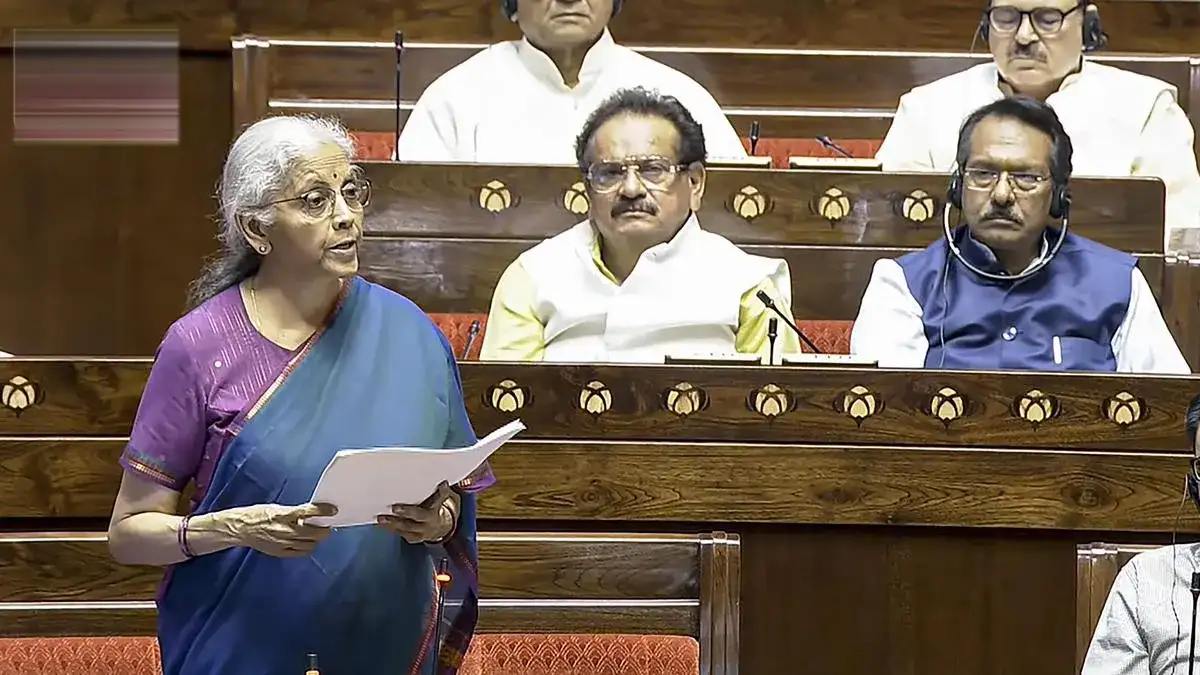
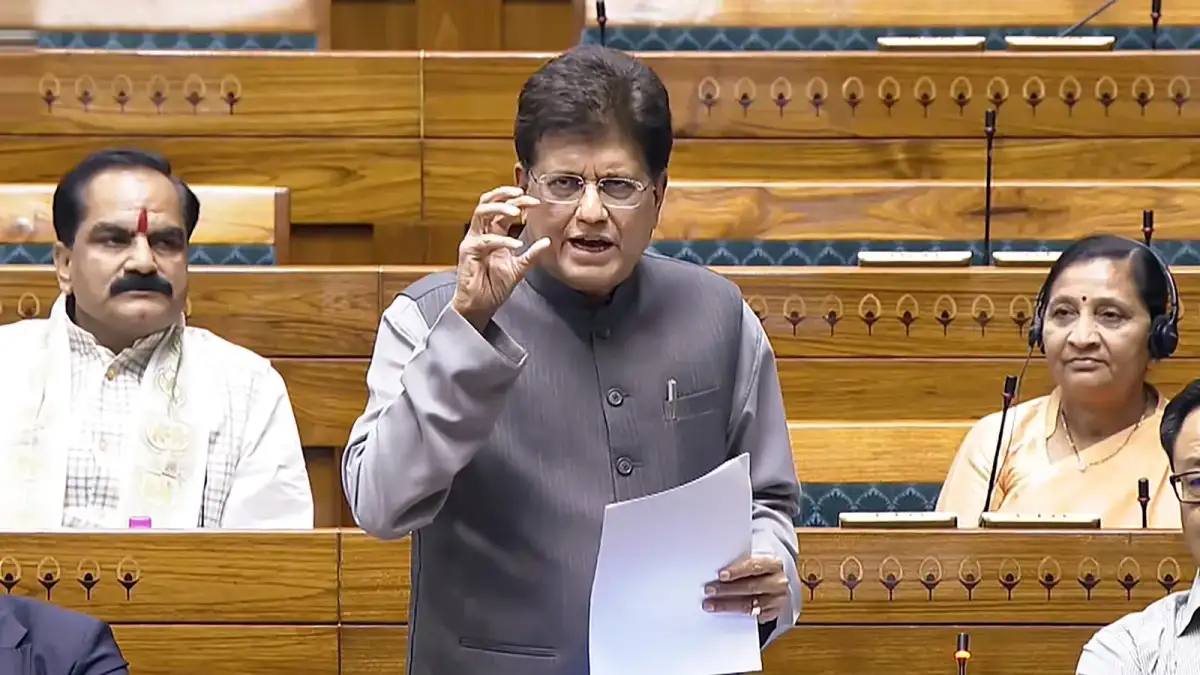
While the government, through Commerce and Industry Minister Piyush Goyal, has defended the bill as a necessary step towards simplifying laws and reducing compliance burdens, critics question the extent of its impact and whether it truly serves the public interest or merely bolsters a specific economic agenda. The legislation's foundation rests on the idea of building "public trust" and modernising India's legal framework, aligning with a vision of a "developed nation" prioritizing trust over suspicion.
Read More: India Forces Households to Switch from LPG to PNG Where Pipelines Exist
KEY AMENDMENTS AND BROADER IMPLICATIONS
The Jan Vishwas Bill extends its reach across various sectors, touching upon aspects of daily life. Notably, it removes certain offences entirely. Examples include:
Giving a false fire alarm under the Delhi Police Act.
Failing to report births and deaths under the Delhi Municipal Corporation Act.
Making incorrect entries in copyright registers under the Copyright Act.
The bill also makes specific alterations to existing legislation like the Motor Vehicles Act, 1988, and the New Delhi Municipal Council Act, 1994. These changes aim to facilitate what the government terms "Ease of Living," by allowing, for instance, vehicle registration across states rather than within specific jurisdictions and offering a grace period for driving licence renewals. The government asserts that this reform, linked to 'Azadi Ka Amrit Mahotsav', signals an end to outdated regulations.
The Prime Minister, in public statements, has lauded the bill as a significant boost to "Ease of Doing Business" and "Ease of Living," emphasizing its role in establishing a "trust-based framework." However, the actual implementation and the long-term ramifications of shifting these offences from the criminal to the civil realm remain subjects for ongoing observation and debate.
Read More: Supreme Court doubts Trump plan to end birthright citizenship in Washington DC this week