EXECUTIVE BRANCH DECLARES PRESIDENTIAL RECORDS ACT UNCONSTITUTIONAL
A radical shift in interpreting presidential records law has emerged, with a Justice Department opinion now claiming the 'Presidential Records Act' itself is unconstitutional. This unprecedented stance effectively greenlights former President Donald Trump to keep sensitive presidential records and classified documents post-presidency, circumventing the 'National Archives' altogether. This legal reasoning, asserting the law illegally infringes on executive branch independence, represents a significant departure in legal historical application. The ruling has ignited alarms, particularly given past concerns about 'Trump's' document retention habits, which legal observers and national security proponents view with profound worry.

DEMOCRATS REVIVE CLAIMS AMIDST DISCLOSURES
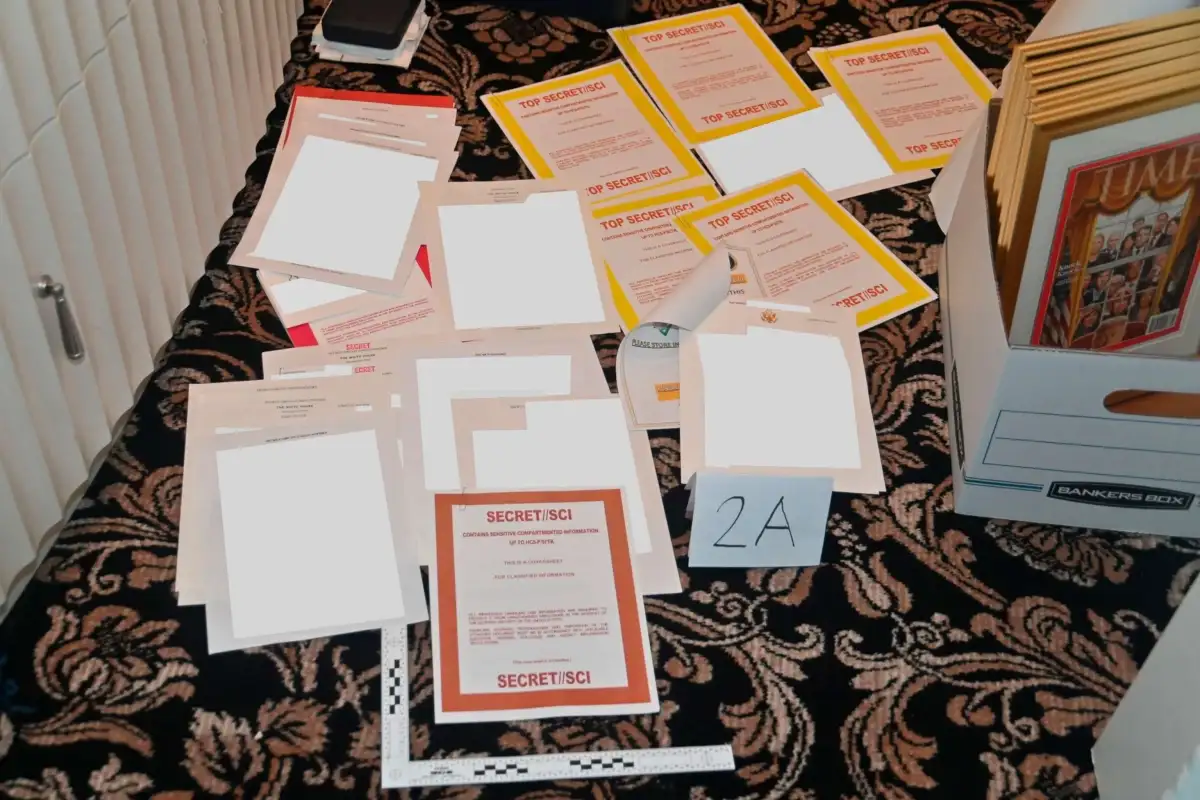
In the wake of these developments, Democrats have reignited allegations concerning 'Trump's' handling of classified materials. Newly disclosed Justice Department files, shared with Congress, suggest prosecutors once examined whether 'Trump' had improperly kept classified documents tied to his business interests. Representative Jamie Raskin, a leading Democrat on the House Judiciary Committee, detailed findings from a 'DOJ' memo, asserting it contained "damning evidence" of 'Trump's' procurement of highly sensitive materials.
Read More: Tiger Woods DUI arrest in Jupiter Island Florida on 29 May 2017 explained

These documents reportedly indicate that 'Trump' possessed numerous documents, stored in various locations, making it "hard to fathom that he was not aware." The memo allegedly points to 'Susie Wiles', 'Trump's' chief of staff, being present when 'Trump' purportedly displayed a classified map to individuals aboard a private plane. 'Raskin' has called on Attorney General Pam Bondi for further information regarding materials potentially aiding 'Trump's' business endeavors and the full disclosure of remaining investigation documents.
JUDICIAL OVERSIGHT AND LEGAL CHALLENGES
The 'DOJ's' release of these documents to the House committee has raised questions about potential violations of a prior court order. US District Judge Aileen Cannon, who presided over the classified documents case, had previously blocked the public release of materials from the special counsel's probe, including specific prohibitions against sending them to Congress. 'Raskin's' letter to Attorney General 'Bondi' highlights that 'Cannon's' orders may have been contravened, particularly regarding details about the classified map.
Read More: Pam Bondi Fired as Attorney General by Trump, Todd Blanche Takes Over

The special counsel's investigation, led by Jack Smith, had indicted 'Trump' in 2023 on charges of unlawfully retaining classified materials and obstructing the subsequent government inquiry. However, the case was later dismissed after 'Trump's' reelection. The ongoing litigation surrounding the special counsel's authority and sealed portions of 'Smith's' report have fueled debate over public and congressional access to such information. Senate Judiciary Committee leaders have indicated plans to invite Jack Smith to testify publicly regarding both the classified documents probe and the 2020 election investigation.
BACKGROUND
The legal debate centers on the interpretation of the 'Presidential Records Act', which governs the handling of documents created and received by presidents and their staffs during their time in office. While such records are generally considered property of the 'US Government', provisions exist for presidents to designate certain records as personal. The 'DOJ' opinion now challenges the constitutionality of the Act's framework, potentially altering the established norms of presidential document stewardship.
Read More: Federal Judge Ends Blake Lively's Sexual Harassment Claims Against Justin Baldoni in New Jersey
Concerns over classified documents following 'Trump's' presidency have been a persistent theme. The allegations of retaining materials relevant to business interests add another layer to the complex legal and political landscape surrounding these records. The 'DOJ's' decision to release the memo to Congress, despite Judge 'Cannon's' prior orders, introduces further judicial and procedural complexities. The dismissal of the criminal charges against 'Trump' due to 'DOJ' policy has also reshaped the legal trajectory, with ongoing discussions about public disclosure of the special counsel's findings.