


U.S. District Court Judge Richard Leon issued a preliminary injunction this week, mandating a cessation of construction on the 90,000-square-foot White House Ballroom. The court asserts that Donald Trump lacks the unilateral authority to initiate such a structural overhaul of a federal landmark without explicit legislative approval from Congress.

Core Insight: The judiciary maintains that site alteration requires statutory authorization, while the administration maneuvers through planning commissions to secure technical approvals despite the pending legal freeze.
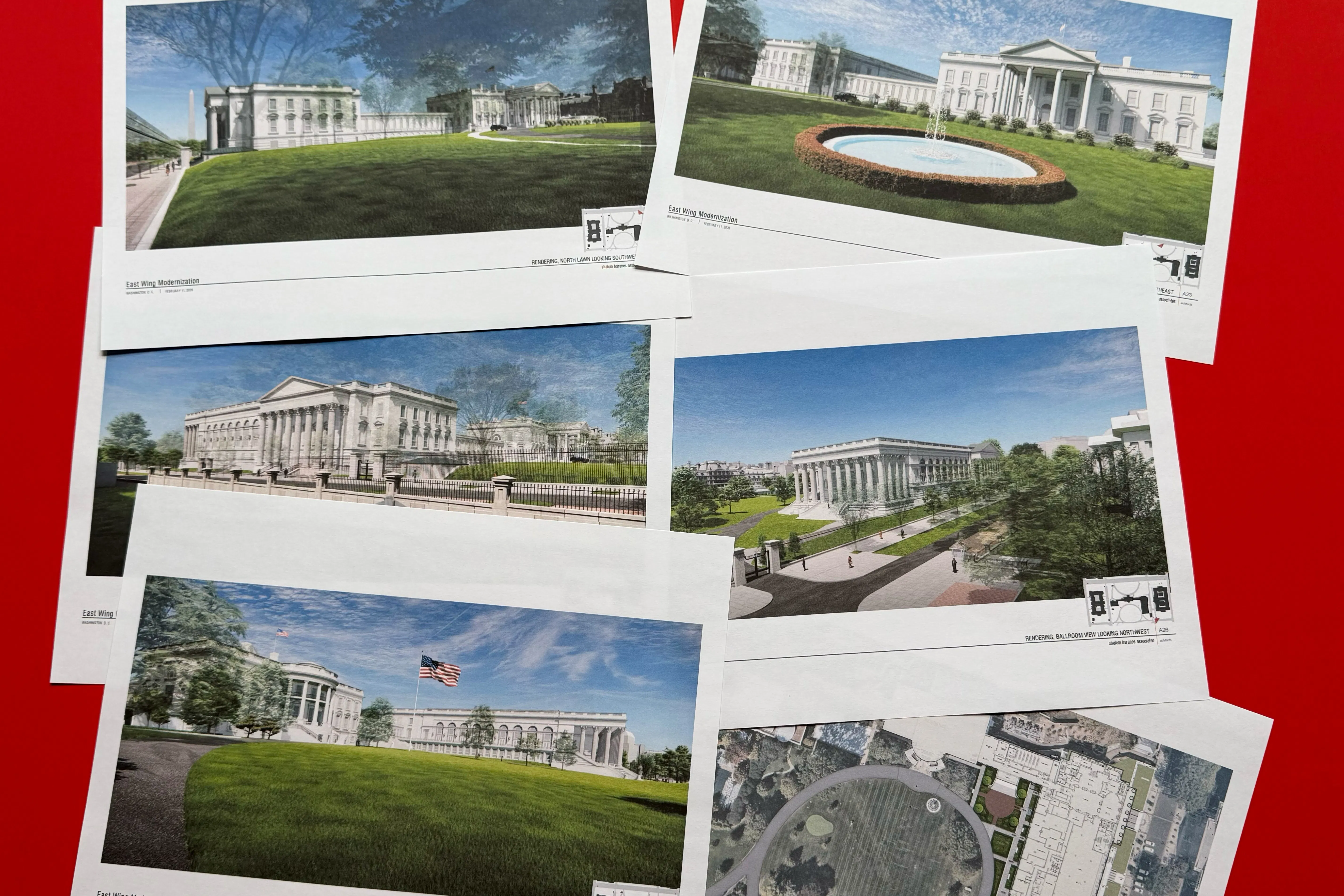
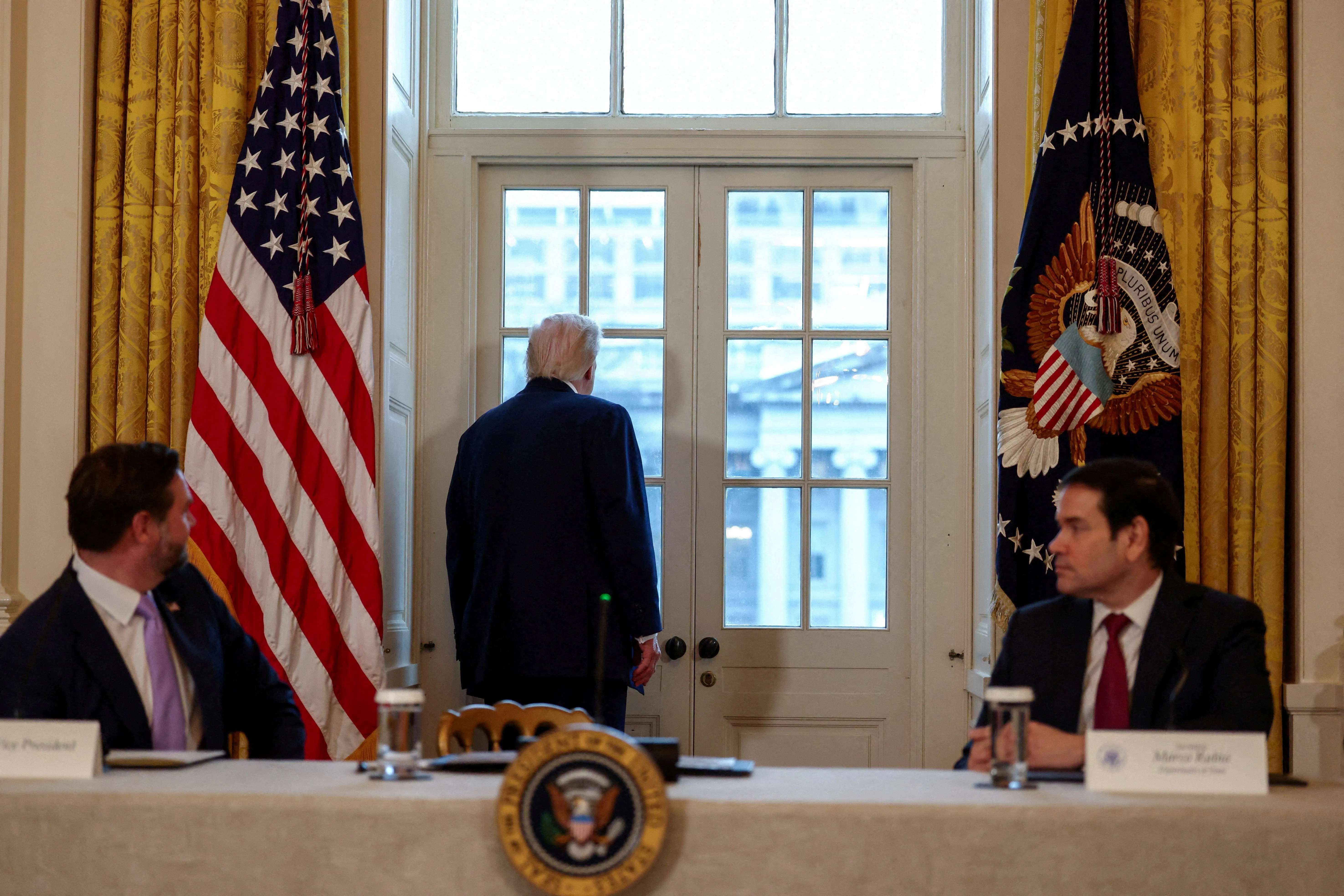
Despite the injunction, the National Capital Planning Commission voted to grant final project approval on Thursday. Officials stated the ruling constrains physical labor rather than the bureaucratic vetting process.
| Status | Development | Legal Impact |
|---|---|---|
| Injunction | Construction halted | Likely to prevail on merit |
| Commission | Project design approved | Technical path forward |
| Congress | Inactive/Non-committal | Missing legislative mandate |
Strategic Friction and Procedural Loops
The administration faces a disjointed reality. While Judge Leon provided a 14-day window for an appeal—which the Department of Justice is expected to pursue—the project has entered a cycle of iterative design revisions.
Read More: Acting DNI Pulte Fires Dozens of Intelligence Officials Starting Thursday
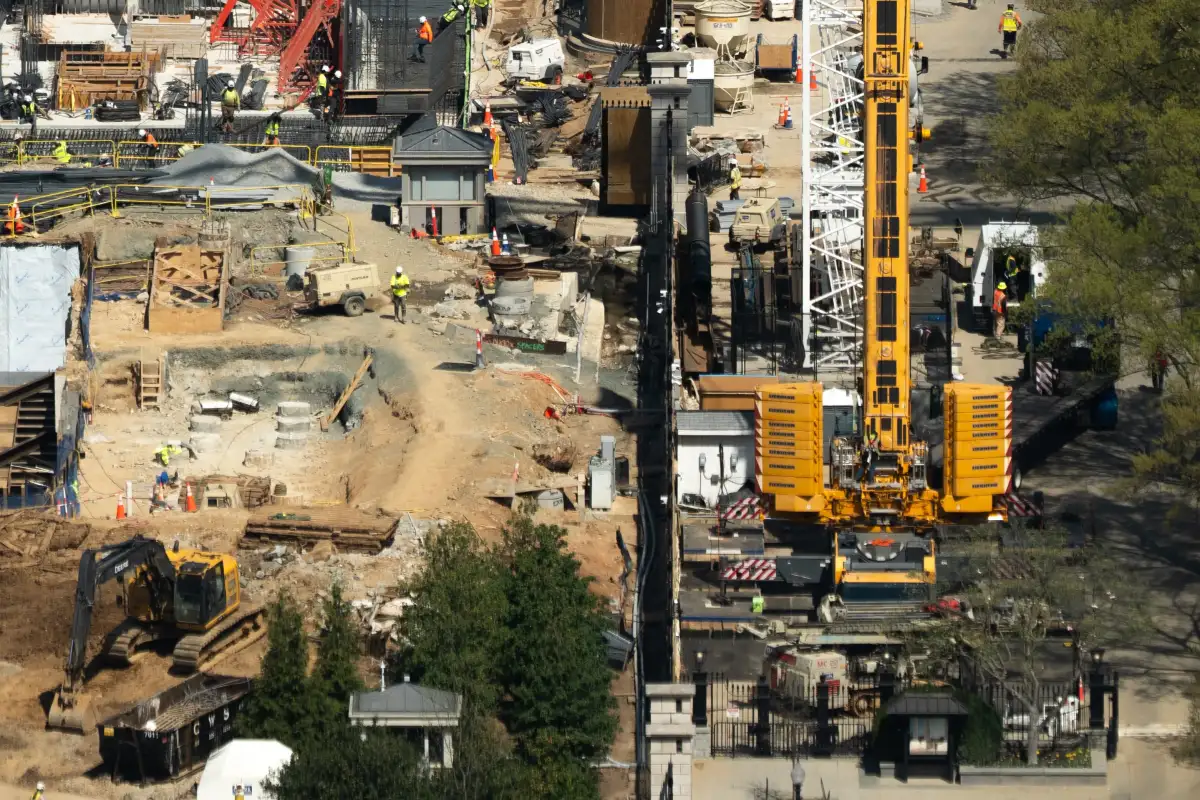
Preservationist Challenge: The National Trust for Historic Preservation argues that executive overreach in historic zones circumvents constitutional oversight.
Agency Reconstitution: Observers note that the Commission of Fine Arts, a body integral to the design review, has been re-staffed with figures aligned with the executive branch’s priorities.
Congressional Inertia: Despite the court’s signal that congressional consent is the only path to legal compliance, lawmakers have shown little appetite to engage in the specific authorization process required.
Structural Precedent
The project, valued at approximately $400 million, represents the most significant physical modification to the Executive Mansion in over seven decades. The administration’s reliance on "legacy priority" framing has collided with the rigid administrative requirements governing federal land. The central tension remains the definition of presidential power over the site; Trump rejects the notion of himself as a temporary occupant of the property, effectively treating the architectural footprint as an instrument of executive mandate rather than a shared historical trust.


