Tension Before and After the Ballot
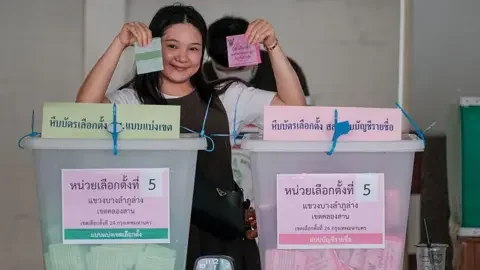
Thai voters have participated in a general election where reformist parties faced off against established conservative forces. This vote follows a period of governmental instability, with Thailand seeing three prime ministers in just three years. The election's outcome is complex; while polls have closed, the formation of a new government is not straightforward. Winning the election, it appears, is only one step in a longer, often contested, political process in Thailand.

Political Landscape and Key Players
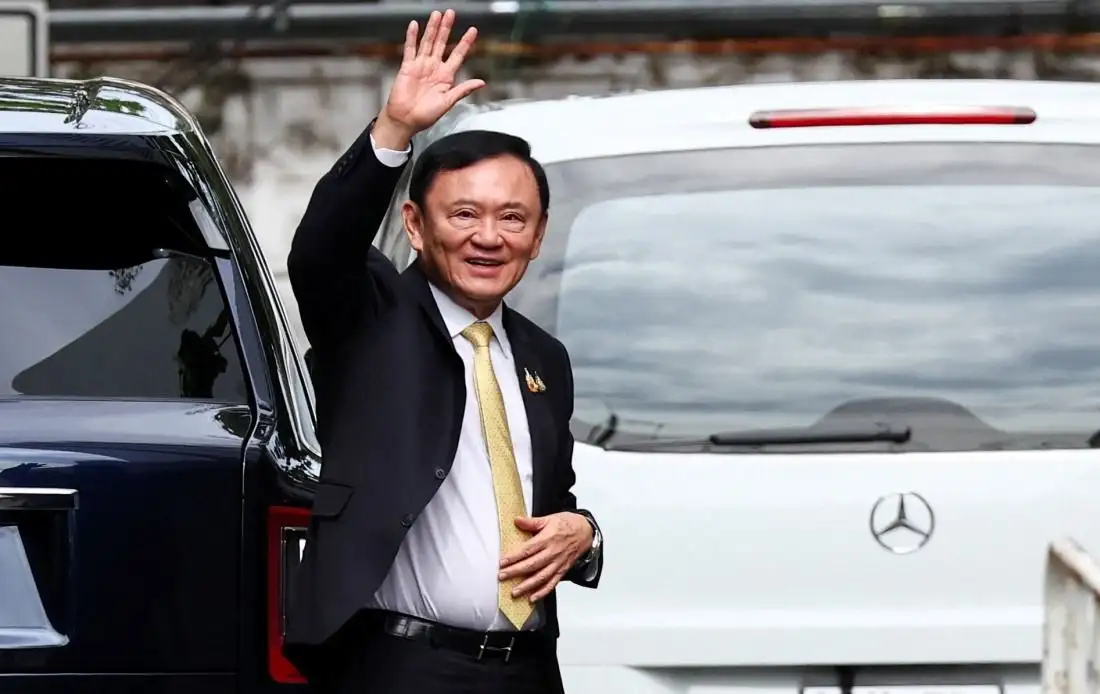
Thailand's electoral contest pitted reformist groups, notably the People's Party, against conservative factions, including the Bhumjaithai Party, and the populist Pheu Thai Party led by the influential Thaksin Shinawatra family.

The People's Party: Presented as a reformist bloc, this group has seen strong support in pre-election polls. Their platform has reportedly shifted to focus on economic revival and voter incentives, a change from previous stances.
Bhumjaithai Party: A conservative party, it is positioned to potentially block other parties from forming a government, even if they do not win a majority themselves.
Pheu Thai Party: Associated with Thaksin Shinawatra, this party also offered subsidies and cash handouts as part of its campaign strategy.
The political environment is marked by a desire for an end to economic sluggishness and political unrest.

Historical Interventions and Electoral Outcomes
Past elections in Thailand have demonstrated that electoral victories do not always translate directly into governmental power.
Read More: Boy, 11, Crashes Truck Into Monks, Killing Nine in Thailand

In a previous instance, a reformist party, despite winning, was prevented from forming a government. The military-appointed senate reportedly played a role in this blockage, and the constitutional court later dissolved the party.
Evidence suggests a pattern where unelected bodies have intervened to counter parties that challenge the existing order.
Were similar interventions anticipated in this recent election cycle?
Potential Government Formation
Experts suggest that no single party is likely to secure an outright majority of the 500 seats in the lower house. This points towards a period of intense negotiation and coalition-building.
Reaching the required 251-seat majority will likely involve securing alliances with smaller political factions.
The process is expected to extend beyond election day, with "horse-trading" being a probable outcome.
The involvement of the courts and other unelected bodies, known for their support of conservative interests, remains a significant factor in how government is ultimately formed.
Campaign Strategies and Voter Appeal
Both established and newer parties have employed strategies to attract voter support, particularly concerning economic welfare.
Bhumjaithai and Pheu Thai are noted for offering subsidies and cash handouts to voters.
The People's Party, while previously associated with reform, has also embraced economic revival and populist pledges, including similar cash handout proposals.
Expert Perspectives on the Political Climate
Analysts point to the deep divisions within the Thai public and the ongoing struggle between forces advocating for change and those seeking to maintain the status quo.
"Powerful, unelected forces have repeatedly intervened to block parties challenging the status quo in Thailand." - Article 1 Summary
"The courts and other unelected bodies may also have their say – agencies with a long record of giving conservative interests a leg up into power even once they have lost elections." - Article 2 Summary
These observations highlight a recurring theme in Thai politics where electoral results are subject to influence from institutions beyond the elected legislature.
Conclusion and Future Considerations
Thailand has concluded its general election, characterized by a contest between reformist and conservative political forces. The immediate aftermath is likely to be defined by complex coalition negotiations to achieve a parliamentary majority. Historical precedent indicates that the formation of a government may involve factors beyond the direct electoral count, with the potential for intervention by unelected bodies. The public's desire for economic stability and an end to political turbulence underscores the significance of the current political juncture.
Read More: Taiwan Holds Nantou County Drills to Prepare for State Collapse
Sources
BBC News: Published 10 hours ago. "Thailand election 2026: Polls close in election that pitted reformists against conservatives." https://www.bbc.com/news/articles/cx2jn4z4eq0o
Context: Provides an overview of the election, highlighting the clash between reformists and conservatives, and past instances of institutional intervention against reformist parties.
South China Morning Post: Published 10 hours ago. "Thailand votes as reformists challenge conservatives amid political turmoil." https://www.scmp.com/week-asia/politics/article/3342794/thailand-votes-reformists-challenge-conservatives-amid-political-turmoil
Context: Details the election's dynamics, the likelihood of coalition governments, and the potential role of unelected bodies in shaping the outcome.
France 24: Published 1 day ago. "Thailand votes in three-way race as country struggles with sluggish economic growth." https://www.france24.com/en/live-news/20260207-thailand-votes-after-three-leaders-in-two-years
Context: Focuses on the economic context of the election, the key parties involved, and past political instability including judicial and legal actions against prime ministers.
Island.lk: Published 10 hours ago. "Thailand votes as reformists, conservatives vie for power." https://island.lk/thailand-votes-as-reformists-conservatives-vie-for-power/
Context: Reports on the electoral contest between reformist and conservative forces, though this specific article summary contains unrelated content about cricket.
Al Jazeera: Published 10 hours ago. "Polls close in Thailand as reformists, conservatives vie for power." https://www.aljazeera.com/news/2026/2/8/polls-open-in-thailand-with-three-main-parties-vying-for-power
Context: General reporting on the election day and the main parties competing for power. The provided summary was too short for detailed extraction.
DW: Seen on AOL. "Thailand holds parliamentary election and constitutional referendum." https://www.dw.com/en/thailand-holds-parliamentary-election-and-constitutional-referendum/a-75858485
Context: Indicates a parliamentary election was held. The provided summary was too short for detailed extraction.
The Economic Times: Published Jan 21, 2026. "Thailand surging in polls, reformist opposition tests new playbook." https://economictimes.indiatimes.com/news/international/world-news/thailand-surging-in-polls-reformist-opposition-tests-new-playbook/articleshow/126936021.cms
Context: Reports on the surge in popularity for the reformist opposition and their strategic adjustments prior to the election. The provided summary was too short for detailed extraction.