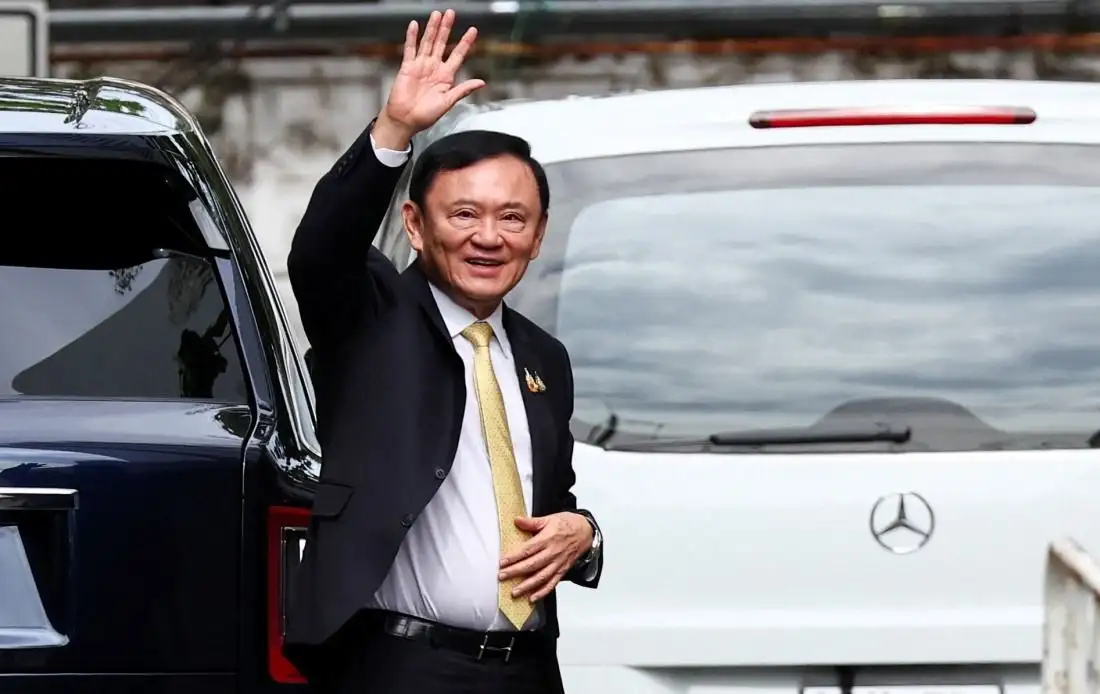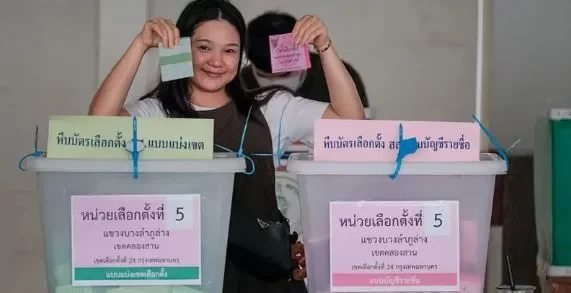
BANGKOK - As vote counts begin to emerge from Thailand's general election, initial results suggest a lead for conservative parties, potentially impacting the nation's trajectory amidst a history of political intervention and frequent government changes. The election follows a period of instability, with three prime ministers in as many years, and coincides with a national referendum on a new constitution. The outcome of both the election and the referendum is expected to shape the country's political landscape and governance for the foreseeable future.
The election involves 500 seats in the lower house, with 400 decided by direct constituency votes and 100 allocated based on a party's national vote share. Early indications point towards no single party achieving an outright majority, making coalition governments a probable scenario. This complexity is further amplified by a concurrent referendum on a military-drafted constitution, which critics argue grants excessive authority to the unelected senate.
Read More: Taiwan Holds Nantou County Drills to Prepare for State Collapse
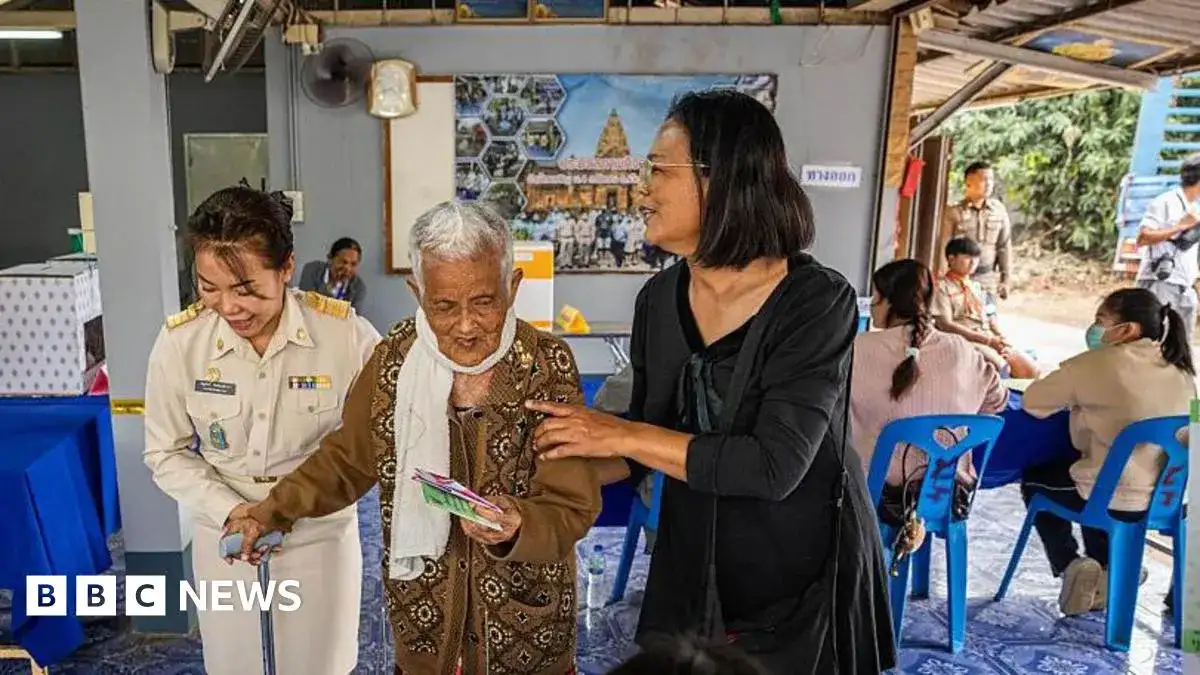
Electoral Landscape and Shifting Alliances
Opinion polls and preliminary results suggest a fragmented parliamentary outcome, with projections indicating that no single party is poised to secure a majority of seats. This outcome necessitates the formation of coalition governments, a recurring feature in Thai politics.
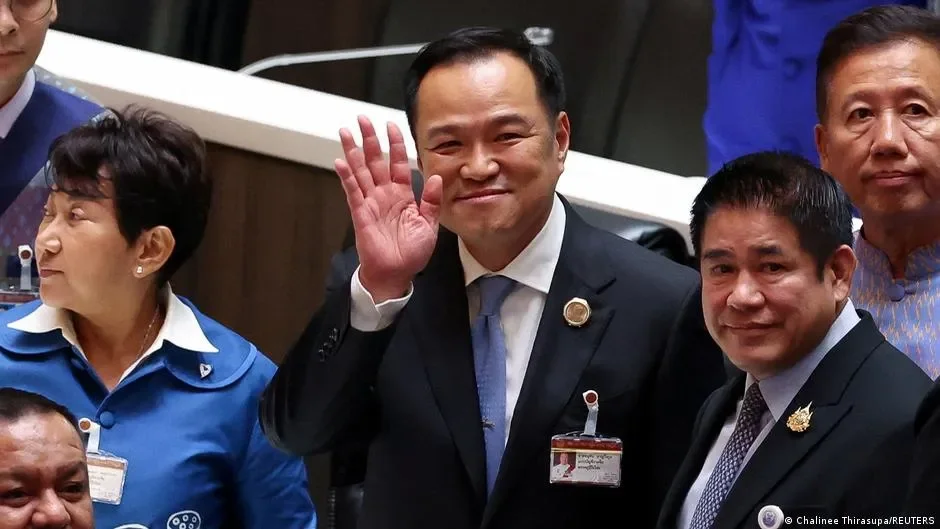
Bhumjaithai Party: Led by incumbent Prime Minister Anutin Charnvirakul, the Bhumjaithai party appears to be showing an early lead according to initial counts. Their campaign has focused on nationalistic sentiment and economic policies, including subsidies and cash handouts to voters.
Pheu Thai Party: Another significant player, the Pheu Thai party, has also been actively engaging voters with similar subsidy and handout promises. Its electoral relevance appears to be diminishing in the face of other emerging political forces.
People's Party: Representing a pro-democracy movement, the People's Party, in its third iteration, had set ambitious targets, aiming for a substantial portion of the popular vote. However, early concessions suggest they may be positioned for the opposition benches rather than government formation.
The complex electoral system, comprising both first-past-the-post constituency seats and party-list seats, contributes to the difficulty in predicting a clear winner, often leading to intricate coalition negotiations.

The Referendum: A Vote on Constitutional Power
For the first time in Thailand's history, a national referendum is being held concurrently with the general election. This referendum focuses on a proposed rewrite of the constitution.
Critics' Concerns: A primary point of contention is the military-drafted constitution, which opponents claim imbues the senate with disproportionate power. The unelected senate has historically played a significant role in Thai political power struggles, notably blocking reformist parties in the past.
Impact on Governance: The outcome of this referendum could profoundly influence the balance of power between elected officials and unelected bodies, potentially impacting the country's democratic structures and the ease with which future governments can enact policy.
Historical Precedents and Political Intervention
Thailand's recent political history is marked by significant interventions by powerful, unelected forces that have hindered parties challenging the established order.
Senate's Role: In a previous election cycle, young reformers who secured a victory were ultimately prevented from forming a government due to the senate's opposition. Subsequently, the constitutional court dissolved their party.
Constitutional Court Actions: The constitutional court has also dissolved political parties, a mechanism that has been used to sideline groups perceived as threats to the status quo.
Government Instability: The nation has experienced considerable governmental flux, with three prime ministers appointed in the past three years. This instability is partly attributed to the collapse of various coalition governments and the persistent influence of unelected bodies.
These historical patterns raise questions about the long-term implications of the current election results and the potential for continuity or significant change in Thailand's governance.
Read More: Boy, 11, Crashes Truck Into Monks, Killing Nine in Thailand
Expert Perspectives
"Nationalist sentiment will win votes," stated Anutin Charnvirakul, the current Prime Minister, as results began to emerge. He also expressed hope for reconciliation between political parties.
Natthaphong Ruengpanyawut, leader of the People's Party, has acknowledged their position for the opposition, stating the party is "ready to be the opposition." This concession signifies a shift in their immediate governmental aspirations.
"The people face a choice between change and continuity," noted an analysis by Nikkei Asia, reflecting the fundamental divide in the electoral choices presented to the Thai populace.
Conclusion and Future Considerations
As vote counting continues, early indicators suggest that Anutin Charnvirakul's Bhumjaithai party is positioned to lead, although forming a stable coalition government will likely be necessary. The concurrent referendum on constitutional reform adds another layer of complexity, with the potential to alter the fundamental power dynamics within Thailand's governance.
The election unfolds against a backdrop of recurring political intervention, economic concerns including rural development and weak global demand, and the persistent challenge of balancing reformist ambitions with the influence of established institutions. The choices made by voters in this election and in the referendum will be critical in determining whether Thailand moves towards a path of significant change or continuity in its political and constitutional framework.
Read More: FBI Analysts Review Georgia 2020 Election Data in Fulton County
Sources Used:
The Star: "Thai PM claims election victory as early results show conservatives ahead" (Published: 16 hours ago)
Context: Provides initial claims of victory and early results, highlighting the role of unelected forces and recent government instability.
Link: https://www.the-star.co.ke/news/world/2026-02-08-thai-pm-claims-election-victory
Channel News Asia: "‘Clear signal’: Thai PM Anutin says Bhumjaithai won most seats in election, open to working with other parties" (Published: 38 minutes ago)
Context: Reports PM Anutin's claim of victory and his openness to alliances, alongside details of the referendum.
BBC News: "Thailand national election 2026: Voters head to the polls in high-stakes election" (Published: 16 hours ago)
Context: Offers a timeline for results, the likelihood of coalition governments, and details the referendum's focus on the constitution and senate power.
Nikkei Asia: "Thai election" (Published: 2 days ago)
Context: Summarizes the concession of the reformist opposition, the choice between change and continuity, and mentions the referendum and various parties' pledges and challenges.
Al Jazeera: "Thai PM Anutin’s party takes early lead in general election race" (Published: 16 hours ago)
Context: Reports on the early lead of PM Anutin's party in the election race.