Voters in Thailand have cast their ballots in an early general election. The vote is seen as a contest between different ideas for the country's future: one focused on progress, another on popular appeal, and a third rooted in older political practices. The outcome will determine the next government and its approach to national challenges.

Political Landscape and Key Players
Thailand's election presented a choice between three main political forces.

The Progressive Vision: This approach emphasizes change and reform.
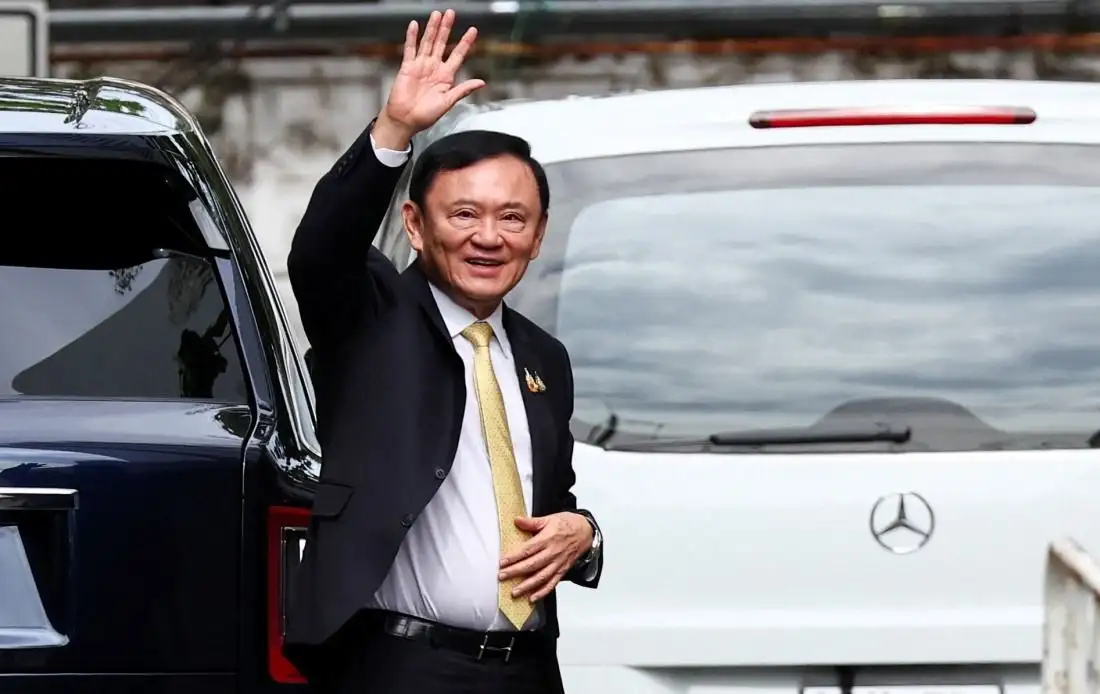
The Populist Movement: This strategy centers on economic revival and direct benefits for citizens, such as cash handouts. This platform is strongly linked to Thaksin Shinawatra, a former prime minister now in prison. His party has nominated Yodchanan Wongsawat, his nephew, as a candidate for prime minister.
Traditional Politics: This faction represents more established methods, often involving patronage and appeals to nationalism. The incumbent prime minister, Anutin Charnvirakul, leader of the Bhumjaithai party, is a key figure in this camp. He has aligned himself with royalist sentiments and focused on national security and economic stimulus.
Election Context and Timing
The election was called early by Anutin Charnvirakul in December. This decision came after he faced a potential vote of no confidence. The dissolution of parliament initiated the process for this snap election.

Electoral Mechanics
The selection of the next prime minister hinges on a majority vote in the elected parliament.
A simple majority of the 500 elected lawmakers is required.
Voter Sentiment
Reports from Bangkok indicate a public desire for change, though with a degree of uncertainty about whether their choices will translate into the next government.
Read More: Boy, 11, Crashes Truck Into Monks, Killing Nine in Thailand
One voter, Konwikhan Pongpaiboon, 40, stated, "So today I voted for change, I want to see change in the country."
Another voter, Withawin Amoranmatevarin, 30, expressed excitement about voting but also felt "a little weary."
Party Platforms and Past Challenges
The Pheu Thai party, associated with Thaksin Shinawatra, is campaigning on economic recovery and popular policies. However, the party has faced significant challenges.
The judicial system has previously acted against its leaders.
Two prime ministers from this party were removed within two years.
Thaksin Shinawatra himself was imprisoned on older charges.
The Bhumjaithai party, led by Anutin Charnvirakul, has focused on national security and economic stimulus. This party has also sought to leverage growing nationalism, particularly in the context of Thailand's relationship with Cambodia.
Sources
ABC News: Published 10 hours ago. Link: https://abcnews.go.com/International/wireStory/thailand-votes-early-election-3-main-parties-vying-129957345. This article provides an overview of the election and the main competing visions.
The Guardian: Published 1 hour ago. Link: https://www.theguardian.com/world/2026/feb/08/thai-voters-head-to-the-polls-with-three-main-parties-vying-to-form-government. This source offers voter perspectives and details on the key parties involved.
The Boston Globe (AP): Published 35 minutes ago. Link: https://www.bostonglobe.com/2026/02/08/world/thailand-counts-votes-in-early-election-with-3-main-parties-vying-for-power/. This report covers the vote counting process and reiterates the three-way race narrative.
Al Jazeera: Published [Date Not Specified]. Link: https://www.aljazeera.com/news/2026/2/8/polls-open-in-thailand-with-three-main-parties-vying-for-power. This article covers the opening of polls and the contest for power. (Note: Summary was unavailable).