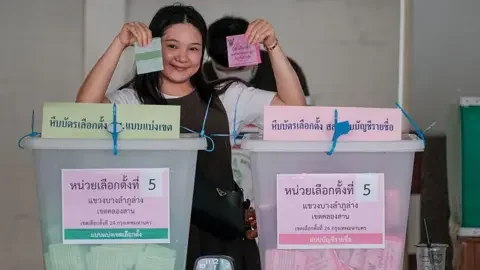
Thailand has cast its votes in a pivotal general election, a process that underscores the nation's ongoing struggle with political instability and a desire for change. The election pits established conservative forces against a burgeoning reformist movement, with the outcome poised to shape the country's governance for years to come. As the counting of ballots begins, the prospect of complex coalition-building looms large, highlighting the challenges of forging a stable government in a nation that has seen three prime ministers in as many years.

The vote on February 8, 2026, saw 53 million Thais eligible to elect 500 lower house lawmakers. The election followed the collapse of several coalition governments, a pattern of political flux that has marked Thailand's recent history. The process itself is fraught with the potential for external influence, as unelected bodies have previously obstructed parties seeking to challenge the existing order. For instance, after a previous election victory by reformist parties, a military-appointed senate blocked their path to government, and the constitutional court later dissolved their party. Campaigning highlighted diverse issues, from defense and economic handouts to institutional reforms and a national referendum on constitutional changes. The economy's slow growth and the lingering effects of the pandemic on tourism remain pressing concerns. A border dispute with Cambodia, which led to deadly clashes last year, also presented a significant challenge for any incoming government.
Read More: Boy, 11, Crashes Truck Into Monks, Killing Nine in Thailand

Key Contenders and Political Landscape
The election has largely coalesced into a three-way contest:

The People's Party: This liberal opposition group represents the reformist bloc, advocating for significant change and challenging the status quo. Their strategy has evolved, diluting their anti-establishment stance and incorporating outside talent to demonstrate their readiness to govern.
Bhumjaithai Party: The incumbent conservative party, led by caretaker Prime Minister Anutin Charnvirakul, has courted influential political families and appealed to nationalist sentiment.
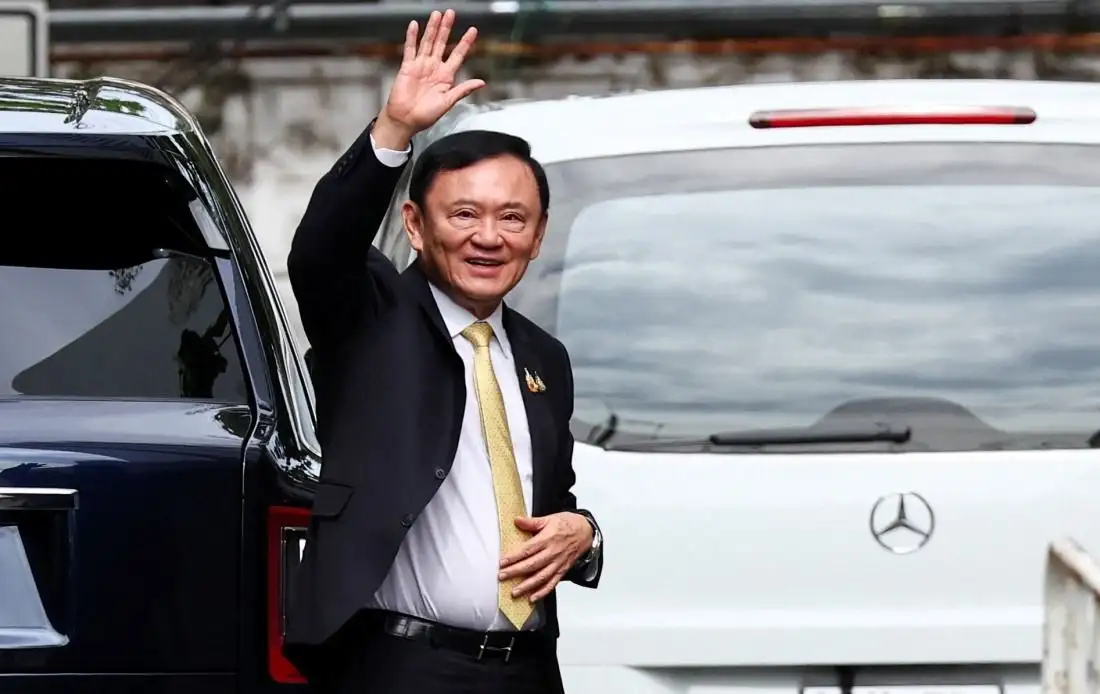
Pheu Thai Party: The once dominant populist party, associated with jailed tycoon Thaksin Shinawatra, is expected to play a crucial role in post-election coalition talks, potentially influencing who becomes the next prime minister.
Evidence of Political Dynamics
Reports indicate that no single party is expected to secure an outright majority in the 500-seat parliament. This suggests that days of post-election negotiations and horse-trading will be necessary to form a coalition government capable of reaching the 251-seat threshold.

The People's Party, despite its momentum, may lack sufficient support to win a majority independently, mirroring the fate of its predecessors.
Both Bhumjaithai and Pheu Thai have employed strategies of offering subsidies and cash handouts to voters, a common tactic in Thai elections.
The Democrat Party, under Former Prime Minister Abhisit Vejjajiva, could emerge as a significant player in coalition discussions, leveraging his personal appeal to revive his party.
Challenges and Prospects for Governance
The Thai electorate faces a complex path forward, marked by the need to address fundamental questions about the nation's democratic future.
Coalition Uncertainty: The absence of a clear majority winner necessitates intricate alliance-building, which could prolong the formation of a stable government. This mirrors the nation's experience of having three prime ministers in under three years.
Institutional Hurdles: Past events demonstrate the potential for unelected bodies, such as the senate or constitutional court, to intervene in government formation, raising questions about the resilience of democratic processes.
Referendum on Reform: Alongside the general election, a referendum asks voters about their support for constitutional reform in principle. This signals a broader public desire for a potential overhaul of the national charter, a process that would require further referendums to enact a new constitution.
Expert Perspectives
Analysts observe that Thailand's political landscape remains characterized by deep divisions and a struggle between forces advocating for continuity and those pushing for reform. The outcome of this election is not merely about selecting a government but also about charting a course for the nation's democratic evolution and its approach to pressing economic and geopolitical challenges. The repeated political turbulence suggests that even a clear electoral victory may not guarantee immediate stability, given the intricate web of alliances and institutional influences at play.
Read More: Taiwan Holds Nantou County Drills to Prepare for State Collapse
Conclusion and Implications
The election in Thailand has concluded, with vote counting underway to determine the composition of the next government. The strong possibility of a hung parliament suggests that coalition negotiations will be paramount in shaping the nation's leadership. The results will reveal the extent to which the reformist agenda has gained traction against the established conservative order.
The process highlights recurring themes in Thai politics: the challenges of achieving a decisive electoral mandate, the influence of established political actors, and the public's underlying desire for institutional reform. The incoming government will inherit a fragile political climate, persistent economic headwinds, and the ongoing task of navigating complex regional dynamics, particularly the border dispute with Cambodia. The outcome of the concurrent referendum on constitutional reform could also set the stage for significant future changes to Thailand's democratic framework.
Read More: PV Sindhu Loses Thailand Open Quarterfinal to Akane Yamaguchi
Sources Used
BBC News: Published 12 hours ago. Provides an overview of the election pitting reformists against conservatives, noting previous interventions by unelected forces. https://www.bbc.com/news/articles/cx2jn4z4eq0o
South China Morning Post (SCMP): Published 12 hours ago. Details the election as a challenge from reformists to conservatives amid political turmoil, predicting coalition talks due to the likelihood of no single-party majority. https://www.scmp.com/week-asia/politics/article/3342794/thailand-votes-reformists-challenge-conservatives-amid-political-turmoil
CNBC: Published 1 hour ago. Frames the election as a three-way race with a risk of instability, mentioning the People's Party's strategy shifts and the potential role of the Democrat Party. https://www.cnbc.com/2026/02/08/thailand-votes-in-three-way-race-as-risk-of-instability-looms.html
Channel News Asia (CNA): Published 12 hours ago. Reports on vote counting underway in a three-way battle, emphasizing the unlikelihood of an outright majority and the certainty of post-election alliance-building. https://www.channelnewsasia.com/asia/thailand-election-results-2026-feb-8-5909421
France 24: Published 1 day ago. Covers the election as a three-way race amidst economic struggles, highlighting that no party is predicted to win a majority. https://www.france24.com/en/live-news/20260207-thailand-votes-after-three-leaders-in-two-years
BusinessToday.my: Published 12 hours ago. Describes the high-stakes election where reformists challenge conservative rule, noting the expected lack of an outright majority and the ensuing complex coalition talks. https://www.businesstoday.com.my/2026/02/08/thailand-votes-in-high-stakes-election-as-reformists-challenge-conservative-rule/
DW News: Published 1 day ago. Reports on the parliamentary election and constitutional referendum, indicating a three-way race. https://www.dw.com/en/thailand-holds-parliamentary-election-and-constitutional-referendum/a-75858485
Al Jazeera: Published 12 hours ago. Covers the election where reformists and conservatives vie for power, identifying three main parties in the contest. https://www.aljazeera.com/news/2026/2/8/polls-open-in-thailand-with-three-main-parties-vying-for-power