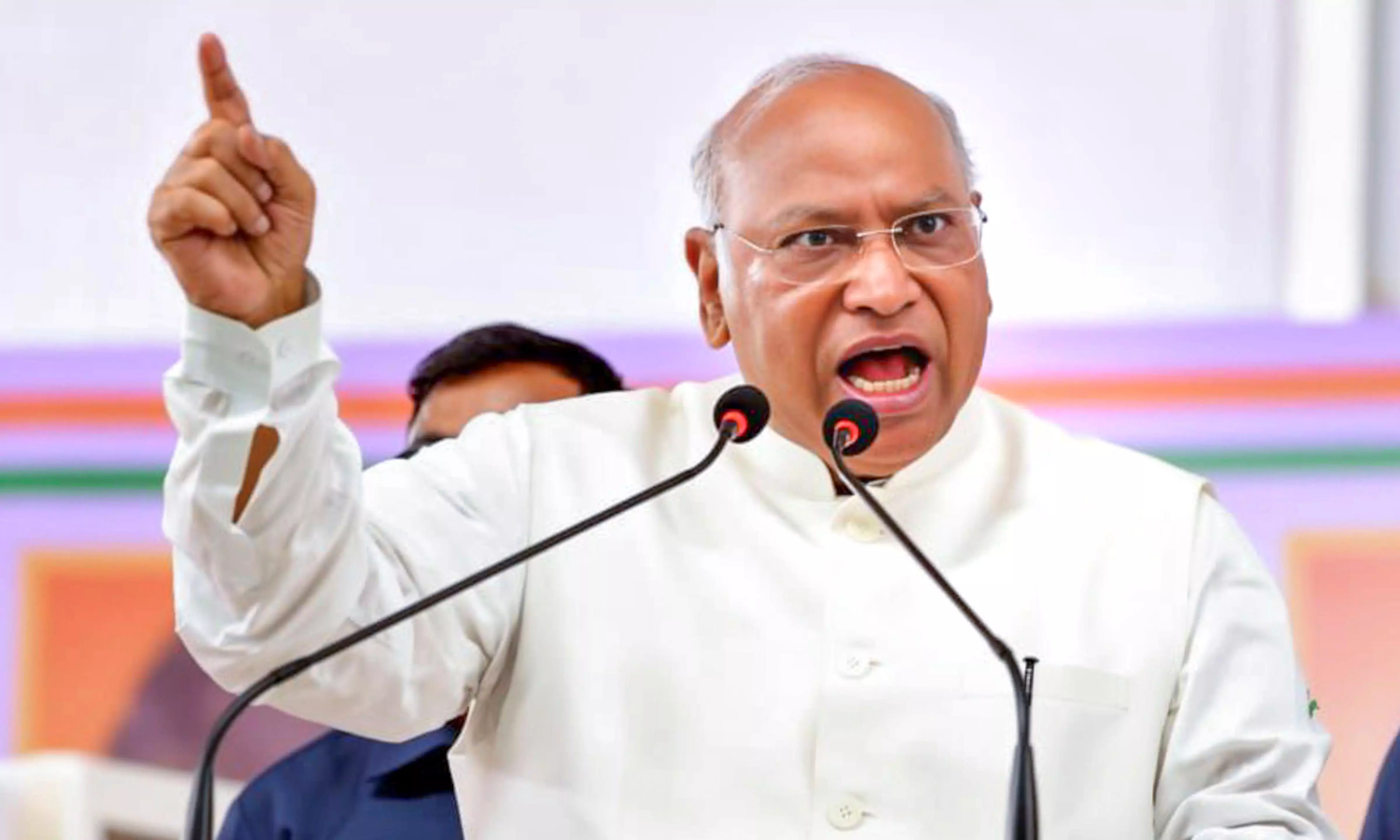
Tension ran high on Capitol Hill as lawmakers grilled U.S. Attorney General Pam Bondi regarding the Justice Department's handling of the Jeffrey Epstein files. A contentious House Judiciary Committee hearing, spanning over five hours, saw sharp exchanges and calls for Bondi's resignation, particularly from Democratic Representative Jesús 'Chuy' García.
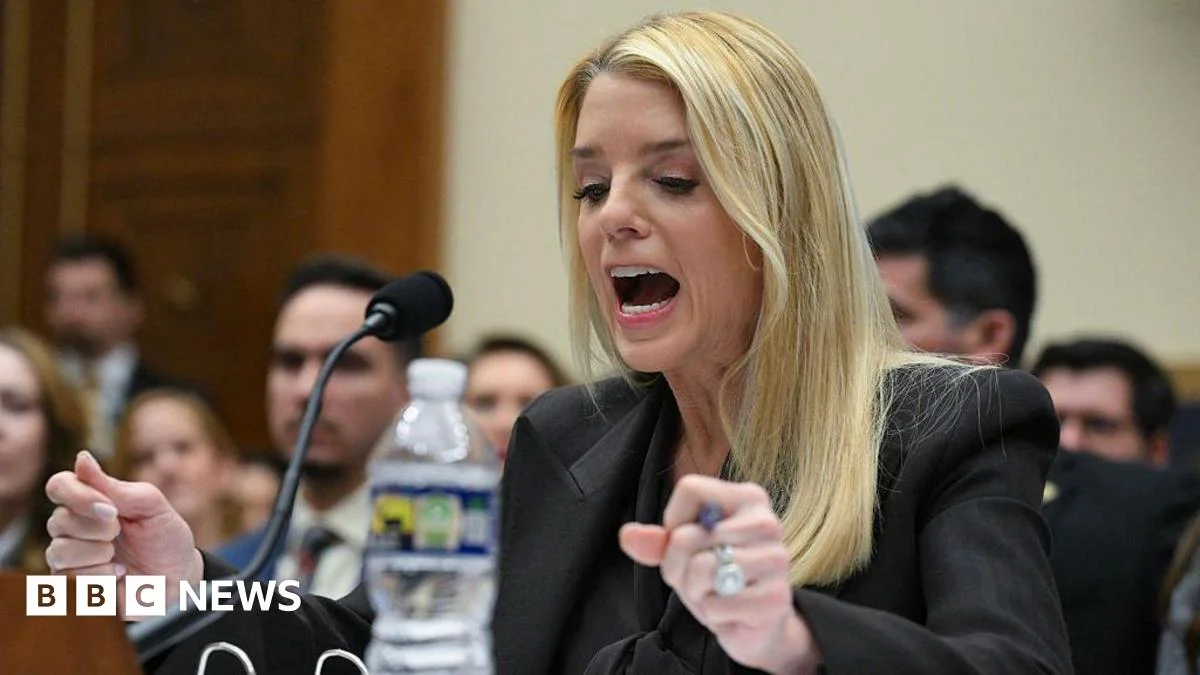
Background of the Confrontation
On February 11, 2026, the House Judiciary Committee convened to discuss the Justice Department's release of documents related to the Jeffrey Epstein case. The hearing, intended for oversight, quickly devolved into a heated debate, marked by accusations and defense of the department's actions. The release of these files, compelled by a law passed in November 2025, aimed to provide transparency regarding Epstein's network and alleged co-conspirators.

Key Actors:
Pam Bondi: U.S. Attorney General, defending the Justice Department's actions.
Jesús 'Chuy' García: Democratic Representative from Illinois, a vocal critic of Bondi.
House Judiciary Committee: The body conducting the oversight hearing.
Jeffrey Epstein: A financier convicted of sex offenses, whose alleged network is the subject of the files.
Central Issue: The committee's scrutiny focused on the redaction of names within the Epstein files, the perceived lack of prosecutions, and allegations of a cover-up to protect powerful individuals.
Congressional Scrutiny of Epstein File Handling
The hearing became a focal point for Democratic lawmakers seeking accountability from Attorney General Bondi. Concerns were raised about the thoroughness of the Justice Department's review of the millions of pages of documents and the subsequent redactions, which some argued were insufficient to protect victims' identities while also possibly shielding powerful figures.
Read More: Karoline Leavitt White House Press Secretary Job Unsteady After Criticism

Allegations of Protection: Representatives, including García and Jerry Nadler, directly accused Bondi of protecting powerful figures connected to the Trump administration and shielding pedophiles and child traffickers.
Focus on Redactions: Lawmakers like Thomas Massie, a Republican who co-sponsored the legislation for the file release, criticized the department's redaction process, stating it was harmful to survivors.
Calls for Resignation: Representative García publicly urged Attorney General Bondi to resign, labeling her "one of the worst attorneys general in our history" and accusing her of serving Donald Trump's agenda.
Bondi's Defense and Counterarguments
Attorney General Pam Bondi maintained that the Justice Department had diligently reviewed the files and acted in accordance with the law. She defended the redactions as necessary to protect individuals' privacy and stated that hundreds of attorneys had spent thousands of hours on the task.

Justification of Actions: Bondi argued that the department had released all relevant documents and established a reading room for Congress to view unredacted files as a measure of transparency.
Deflection and Defense: She frequently deflected direct questions, particularly regarding specific names or potential further prosecutions, and at times engaged in sharp exchanges with lawmakers, accusing some of "theatrics" and political motivations.
Broader Themes: Bondi also used the platform to praise President Trump's handling of illegal immigration and defended the administration's overall approach to the Epstein case.
Divergent Perspectives on the Hearing
The hearing presented a stark contrast between Democratic and Republican approaches, with some Republicans focusing on broader issues like public safety and crime rates rather than directly engaging with the Epstein file scrutiny.
Democratic Focus: Democrats, led by figures like García, Jamie Raskin, and Jerry Nadler, concentrated their questioning on the Epstein files, alleged cover-ups, and Bondi's perceived role in protecting powerful individuals.
Republican Approach: Some Republicans, including those primarily focused on public safety, appeared more reserved in their criticism of Bondi. However, Representative Thomas Massie broke ranks to question the redaction process and its impact on survivors.
Victim's Presence: The presence of Epstein survivors at the hearing underscored the emotional weight of the proceedings, with lawmakers frequently referencing them and some, like Representative Pramila Jayapal, urging Bondi to apologize directly to them.
Expert Analysis and Observations
Legal analysts and commentators noted the highly charged nature of the hearing and the strategic defenses employed by Attorney General Bondi. The "viral" nature of Representative García's strong remarks highlighted the deep partisan divides and the intense public interest surrounding the Epstein case.
"Tempers flared on Capitol Hill on 11 February 2026 as a House Judiciary Committee hearing erupted into one of the most combative exchanges yet over the Jeffrey Epstein files." - ibtimes.co.uk
Partisan Divide: The hearing illustrated a clear partisan divide, with Democrats pushing for deeper investigation and Republicans largely defending the administration's actions or redirecting the conversation.
Transparency Debates: The effectiveness and intent of the Justice Department's transparency efforts, particularly concerning the redaction of sensitive information, remained a central point of contention.
Legal Implications: While specific new legal revelations were scarce, the hearing amplified public and congressional pressure on the Justice Department concerning its handling of sensitive, high-profile cases.
Conclusion and Next Steps
The House Judiciary Committee hearing on the Epstein files concluded with Attorney General Pam Bondi facing continued criticism from Democratic lawmakers. While Bondi defended the Justice Department's efforts, accusations of a cover-up and calls for her resignation persisted.
Read More: Manalur 2026 Election: CPI(M) Leader Murali Perunelly Faces Tough Contest Amidst Political Shifts
Unresolved Questions: Key questions regarding the completeness of the investigation, the rationale behind specific redactions, and the potential for further prosecutions remain largely unanswered from the perspective of the committee's critics.
Political Fallout: The hearing's intensity and Representative García's strong rebuke of Attorney General Bondi suggest that the Epstein files will continue to be a significant point of political contention.
Future Oversight: The need for further oversight and potentially legislative action to ensure transparency and accountability in similar cases appears to be a developing theme following this hearing.
Primary Sources Analyzed:
IBTimes UK: https://www.ibtimes.co.uk/who-rep-chuy-garci-chicago-streets-calling-out-bondi-worst-ag-epstein-files-hearing-goes-1778355 (Provided context on García's actions and the hearing's atmosphere.)
BBC News: https://www.bbc.com/news/live/c05vgzn2391t and https://www.bbc.com/news/articles/cq6ql2n917zo (Offered an overview of the hearing's exchanges, including bipartisan perspectives and Bondi's defense.)
Washington Examiner: https://www.washingtonexaminer.com/news/house/4454743/democrats-pam-bondi-epstein-house-hearing/ (Detailed Democratic criticisms and specific lawmaker actions.)
Raw Story: https://www.rawstory.com/pam-bondi-2675260123/ (Highlighted Representative García's specific accusations against Bondi.)
AP News: https://apnews.com/live/trump-bondi-epstein-updates-2-11-2026 (Provided real-time updates and observations of Bondi deflecting questions.)
CNN Politics: https://www.cnn.com/politics/live-news/pam-bondi-house-hearing-02-11-26 (Covered the clashes between Bondi and lawmakers.)
NBC News: https://www.nbcnews.com/politics/trump-administration/live-blog/trump-bondi-epstein-congress-netanyahu-iran-dhs-ice-poll-live-updates-rcna257992 (Documented Bondi's response to questions about Epstein files and survivor interactions.)
PBS NewsHour: https://www.pbs.org/newshour/politics/epstein-files-took-center-stage-at-bondis-oversight-hearing-here-are-3-big-moments and https://www.pbs.org/newshour/politics/watch-live-pam-bondi-appears-at-house-judiciary-committee-hearing-on-justice-department-oversight (Offered key takeaways and live coverage of Bondi's testimony and defense of Trump.)
Le Monde: https://www.lemonde.fr/en/international/article/2026/02/12/democratic-lawmakers-accuse-us-attorney-general-bondi-of-epstein-file-cover-up67504044.html (Provided an international perspective on the accusations of a cover-up.)
Al Jazeera: https://www.aljazeera.com/news/2026/2/11/us-lawmakers-slam-pam-bondi-over-administrations-handling-of-epstein-files (Indicated lawmakers' strong negative reactions to Bondi's handling of the files.)
MSN: https://www.ms.now/news/pam-bondi-to-testify-before-congress-amid-epstein-controversy (Focused on the contentious nature of the showdown regarding the Epstein documents.)