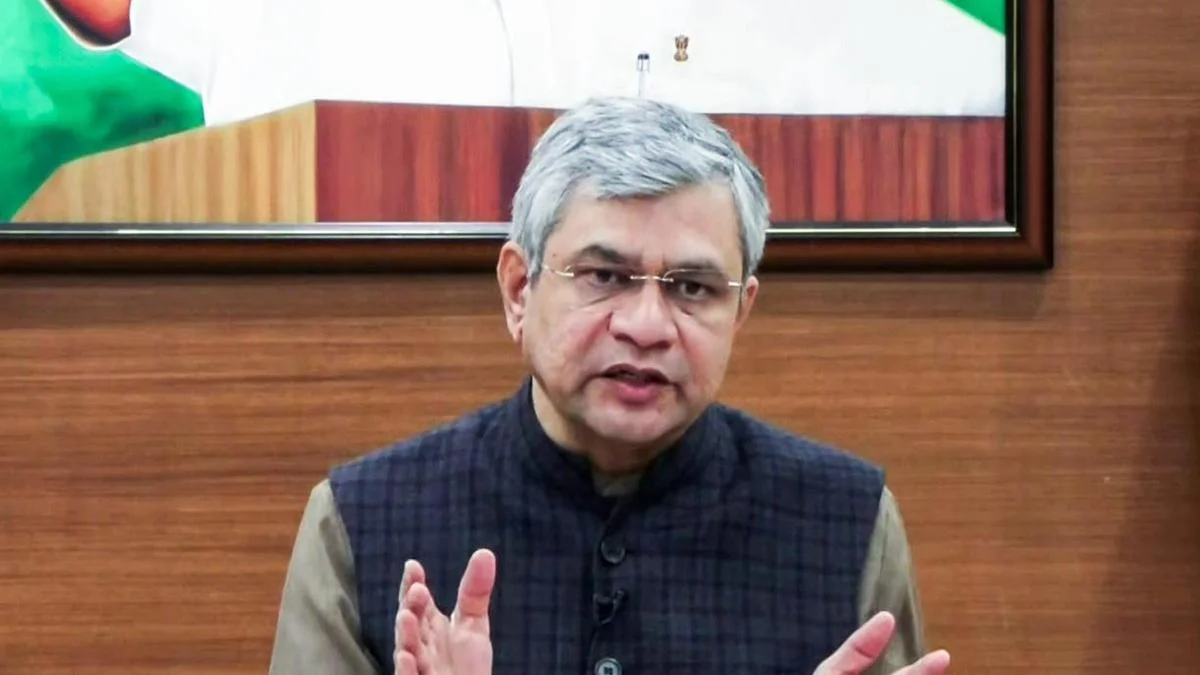
A prominent opposition figure, Anand Sharma, has leveled serious accusations against Finance Minister Nirmala Sitharaman. Sharma claims the Finance Minister has deliberately misled Parliament regarding India's position at the World Trade Organization (WTO) to defend a trade agreement with the United States. The dispute centers on interpretations of past trade negotiations and their outcomes.
Background of Trade Negotiations and WTO Stance
The core of the disagreement lies in how India navigated negotiations at the WTO Ministerial Conference in Bali in 2013, during the previous UPA government's tenure. Anand Sharma, who was India's Trade Minister at the time, asserts that the UPA government secured critical protections for India's food security programs before agreeing to any WTO accords.

Bali Ministerial Conference (2013): This event was a key moment for global trade discussions. India, alongside a coalition of developing nations, aimed to ensure that policies supporting food security were not undermined by international trade rules.
Public Stockholding of Food Grains: A central point of contention was the right of countries to hold public stocks of food grains, a practice vital for ensuring food security for their populations. Developing nations sought explicit guarantees to continue these programs without facing legal challenges under WTO rules.
The "Bali Declaration": Sharma claims that the Bali Declaration, reached at the conference, protected India's public stockholding and minimum support price (MSP) programs from legal challenges at the WTO. He stated, "The Bali Ministerial was a resounding victory of countries of the global south."
Permanent Solution vs. Interim Agreement: According to Sharma, the success at Bali compelled developed nations to agree to negotiate a permanent solution to update existing WTO rules. He suggests the current trade deal with the US, which Finance Minister Sitharaman is defending, might represent a compromise on these hard-won protections.
India's Negotiating Stance: Sharma emphasizes that India's "strong and uncompromising stance" on food procurement for public stockholding and livelihoods was instrumental in placing the issue on the WTO agenda, despite opposition from countries like the US and the European Union.
Accusations of Misinformation
Anand Sharma's primary criticism is directed at Finance Minister Nirmala Sitharaman's recent statements. He alleges that Sitharaman has distorted the facts surrounding the 2013 Bali negotiations to justify what he terms a "sellout interim trade deal" with the US.
Read More: Bangladesh Votes in First Election After Big Protests

Critique of Bali Outcome: Sharma points to Sitharaman's criticism of India's stand at the Bali conference, which he views as an attempt to downplay the achievements of the UPA government and obscure the current government's policy.
Deliberate Misleading: He directly accuses Sitharaman of "deliberately misinforming Parliament." This suggests a premeditated effort to shape public and parliamentary understanding of India's trade history and commitments.
Justification of US Deal: The implication is that by misrepresenting past successes, the Finance Minister is creating a false narrative that makes current concessions to the US appear reasonable or even necessary.
Conflicting Accounts of the Bali Deal
The narrative presented by Anand Sharma contrasts with interpretations that might support the current government's position. Sharma’s statements are direct counter-arguments to potential justifications for the US trade agreement.
Read More: New Ideas Say Capitalism Makes Climate Problems Worse
| Aspect | Anand Sharma's Account | Implied Counter-Narrative / Sitharaman's Position (as alleged) |
|---|---|---|
| Bali Outcome | A "resounding victory" for developing nations, securing food security protections. | A less decisive outcome, or perhaps one where India's stance was overly rigid, necessitating future compromises. |
| India's Stance | Strong, uncompromising, and successful in forcing developed nations to cede ground on critical issues. | Possibly confrontational, leading to trade barriers or hindering progress on other fronts. |
| Public Stockholding | Protected by the Bali Declaration from WTO challenges. | Perhaps not fully secured, or subject to interpretations that allow for future renegotiation or dispute. |
| Interim Trade Deal (US) | A "sellout" that potentially compromises past gains. | A necessary step to foster bilateral trade, addressing non-tariff barriers and promoting economic cooperation. |
| Parliamentary Accuracy | Finance Minister is "misinforming Parliament." | Providing factual accounts of trade agreements and their implications for India's current economic strategy. |
Broader Trade Context and WTO Dynamics
This dispute occurs within a wider context of India's engagement with global trade rules and its evolving relationship with the United States.
Read More: Big Tech Money Fights AI Rules in US Elections
India's Role in WTO: India has historically advocated for the interests of developing nations within the WTO, often pushing for greater flexibility in domestic policies related to agriculture and food security. Reports indicate India's influence within the WTO has grown, but its approach can be seen as both disruptive and strategic in navigating the system.
US-India Trade Relations: The relationship between India and the US involves complex trade discussions, including issues like medical devices, ICT goods, and tariff adjustments. Recent reports mention an "interim agreement" addressing non-tariff barriers.
India's Pushback: India has demonstrated a willingness to protect its trade interests through multilateral mechanisms, as seen in its WTO complaint against US steel and aluminium tariffs. This suggests a strategy of defending national interests while potentially seeking broader deals.
Challenges for Developing Countries: The WTO framework has been criticized for not adequately addressing the unique needs of developing countries. India's push for greater flexibility in areas like domestic support measures for agriculture is part of this ongoing debate.
Expert Perspectives on WTO Negotiations
Article 6 (CFR): This analysis notes India's growing influence at the WTO but cautions that its "opportunism and obstructionism could weaken its potential to benefit fully." It highlights India's resistance to reductions in domestic support measures for agriculture and its demand for greater flexibility, aligning with concerns about "developing country members" being "silenced" by larger economies.
Article 7 (Khaleej Times, 2013): This report from the time of the Bali conference indicates that India, represented by Trade Minister Anand Sharma, took a "tough stance" on food subsidies for the poor, deeming them "non-negotiable." However, it also notes that an "interim subsidy deal" was not ruled out, suggesting a complex balancing act.
Conclusion and Next Steps
The assertion by Anand Sharma that Finance Minister Nirmala Sitharaman is misinforming Parliament on the WTO necessitates a thorough examination of the facts surrounding India's stance at the 2013 Bali Ministerial Conference and the terms of the current interim trade deal with the US.
Read More: UK Economy Grows Very Slowly
Key Evidence: Sharma's reference to his own parliamentary statements on December 13, 2013, provides a specific point of verification. His claims hinge on the understanding that India secured the right to public stockholding of food grains, which he argues is now being undermined or downplayed.
Discrepancies in Interpretation: The fundamental disagreement appears to be over the outcome and implications of the Bali negotiations and how they relate to present-day trade agreements with the US.
Parliamentary Scrutiny: The accusations place a direct demand on the Finance Minister and the government to provide a clear and comprehensive account of India's WTO commitments and the rationale behind the current US trade deal, addressing the specific allegations of misinformation.
Impact on Trade Policy: A sustained debate on these issues could influence public perception and parliamentary oversight of India's trade policies, particularly concerning food security and agricultural support programs.
Devdiscourse: FM misinforming Parliament on WTO to justify sellout Indo-US interim trade deal: Anand Sharma - Article focusing on Anand Sharma's direct accusation against the Finance Minister.
Rediff Money: Anand Sharma Slams FM on WTO Deal - Provides details on Sharma's claims regarding public stockholding and the success of developing nations at Bali.
Khaleej Times: India talks tough on WTO, but does not rule out deal - Published in December 2013, this article offers contemporary context on India's negotiating stance during the Bali conference, mentioning Trade Minister Anand Sharma.
Council on Foreign Relations (CFR): How India Disrupts and Navigates the WTO - Provides expert analysis on India's broader strategy and influence within the WTO, including its stance on agricultural negotiations.
DNA India: Opposition targets PM Narendra Modi in Rajya Sabha over statement on WTO - Reports on past parliamentary discussions and confusion regarding government statements on WTO, involving statements from Finance Minister Arun Jaitley and Commerce Minister and the Prime Minister.
SCMP: India’s surprise tariff move on US goods suggests tougher stance on trade talks - Discusses India's trade actions concerning the US, including WTO complaints, providing context on recent trade dynamics.
The Hindu: India-U.S. trade deal Updates: SKM demands Commerce Minister Piyush Goyal's resignation for ignoring concerns of millions of farmers - This article discusses updates on India-US trade deals, mentioning non-tariff barriers and government statements on economic engagement.
Read More: People Talk About Keir Starmer's Job as Labour Leader