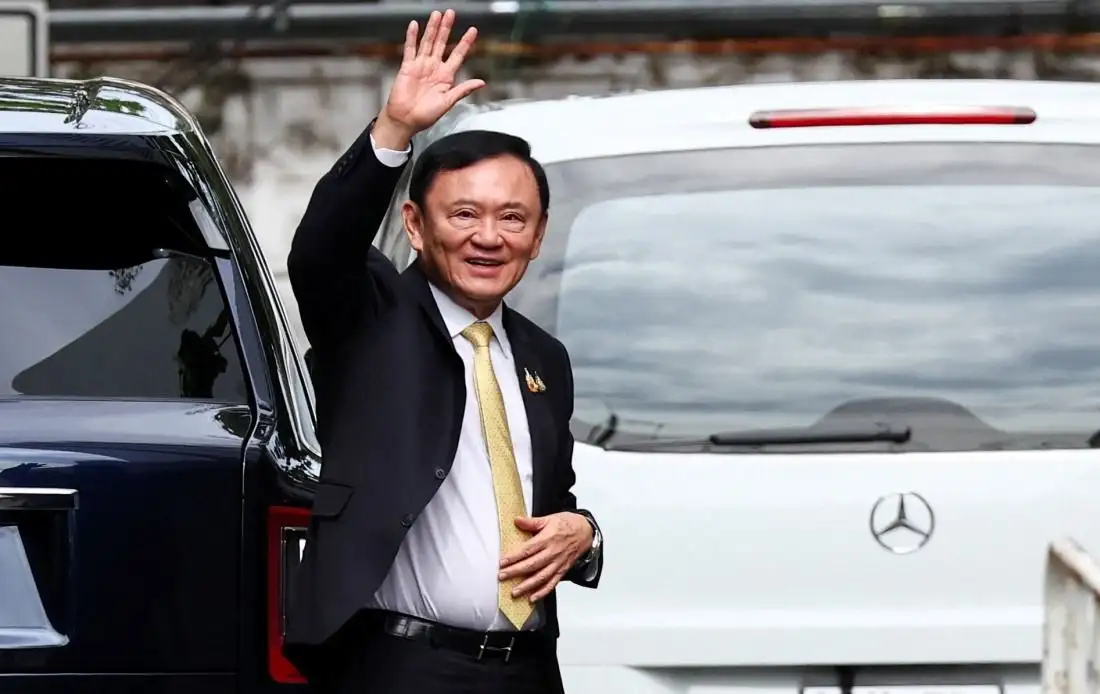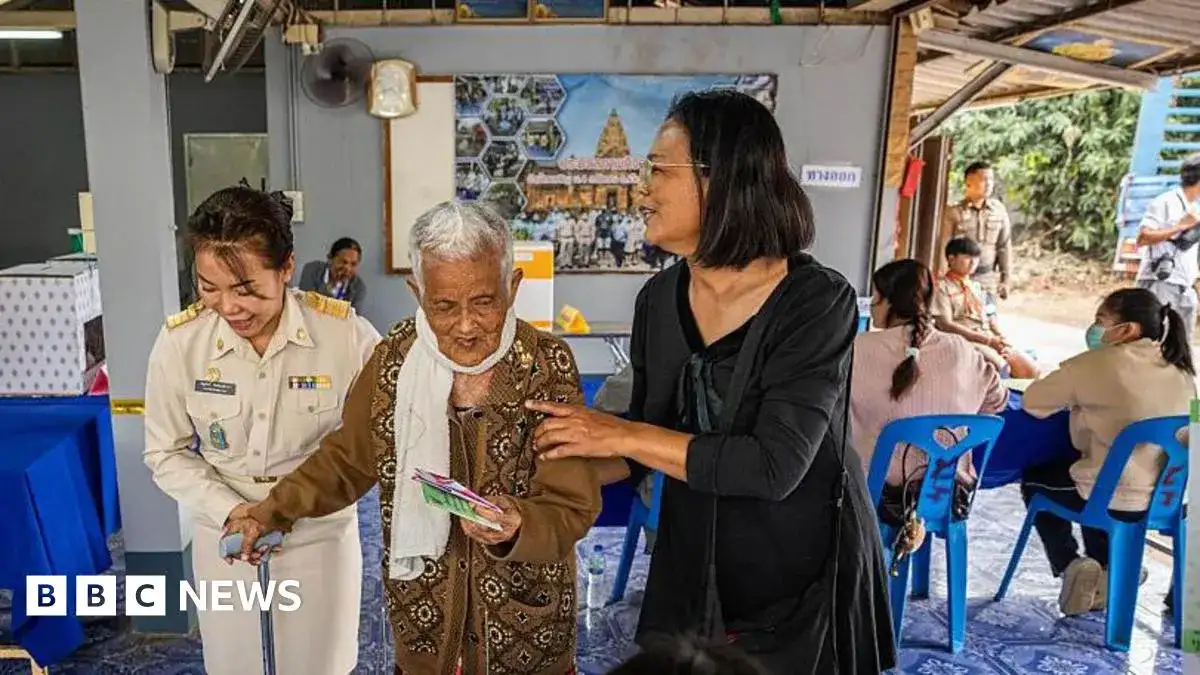
On February 8th, 2026, Thai voters were presented with a stark choice, heading to the polls in what analysts are calling a pivotal election. Three major political forces are locked in a fierce contest, each championing a distinct vision for Thailand's future. But beneath the surface of this democratic exercise, echoes of past struggles, legal challenges, and deep-seated political divisions suggest that the outcome might be far more complex than simply casting a vote. Will this election truly usher in the "change" many citizens crave, or are the deep currents of patronage and entrenched power too strong to overcome?
A Nation at a Crossroads: The Three Main Contenders
Thailand's political landscape is a tapestry woven with threads of populist promises, progressive ideals, and conservative traditions. This election sees three primary parties vying for the mandate to govern, each with its own unique appeal and historical baggage.
Read More: Taiwan Holds Nantou County Drills to Prepare for State Collapse
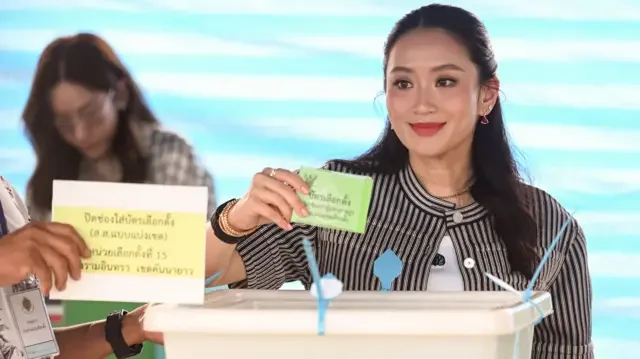
The People's Party: Emerging as a strong contender, this progressive force has consistently topped opinion polls, particularly among younger and urban voters. Their platform appears to resonate with a desire for fundamental change, as voiced by voters like Konwikhan Pongpaiboon, who stated, "So today I voted for change, I want to see change in the country." Their rapid ascent suggests a shift in the political winds, but questions linger about their ability to translate popular support into governmental power against established structures.
Bhumjaithai: Led by incumbent Prime Minister Anutin Charnvirakul, this party embodies a more traditional, nationalistic approach. Bhumjaithai's strategy seems to hinge on themes of national security and economic stimulus, with Charnvirakul reportedly leveraging growing nationalism, particularly in the context of Thailand's conflict with Cambodia. This appeals to a segment of the electorate looking for stability and a strong national identity.
Pheu Thai: The populist party with deep ties to the exiled former leader Thaksin Shinawatra. While Shinawatra himself is now imprisoned on old charges, his political legacy endures. Pheu Thai is campaigning on economic revival and familiar pledges like cash handouts, fielding Yodchanan Wongsawat, Thaksin's nephew, as a key prime ministerial candidate. However, this party has a history of facing opposition from the conservative court system, which has previously led to the ousting of its prime ministers.
| Party Name | Key Figure(s) | Core Ideology/Platform | Notable Challenges/History |
|---|---|---|---|
| People's Party | (Leader unspecified in provided text) | Progressive, reform-oriented, popular among youth/urban | Rapid rise, potential struggle against established powers. |
| Bhumjaithai | Anutin Charnvirakul | Conservative, nationalistic, security-focused | Riding nationalism, appeals to traditional base. |
| Pheu Thai | Yodchanan Wongsawat, (legacy of Thaksin) | Populist, economic revival, cash handouts | History of judicial challenges, association with Thaksin Shinawatra. |
The Shadow of the Past: A History of Political Turmoil
The current electoral battle is not unfolding in a vacuum. Thailand has a long and often tumultuous political history, marked by frequent coups, street protests, and legal interventions that have significantly shaped its democratic trajectory. Understanding these past incidents is crucial to grasping the underlying tensions of the current election.
The Shinawatra Era and Its Aftermath: The influence of Thaksin Shinawatra and his associated parties, particularly Pheu Thai, has been a dominant force for decades. Shinawatra's governments were characterized by populist policies and significant economic growth, but also by accusations of corruption and authoritarian tendencies. This led to a series of political crises, including a military coup in 2006 that ousted his government.
Judicial Interventions: The Thai judiciary has played a significant role in the country's political narrative. In the past, courts have been instrumental in dissolving political parties and removing prime ministers. The Shinawatra family has been particularly affected, with Paetongtarn Shinawatra (Thaksin's daughter, not explicitly mentioned as a candidate in the provided text but referenced in a BBC article) having her premiership stripped by the Constitutional Court. This pattern of judicial intervention raises questions about the true independence of the political process and the potential for "court-packing" to influence election outcomes.
The Cycle of Dissolution and New Elections: The current election was called after Prime Minister Anutin Charnvirakul dissolved parliament in December, reportedly when he faced a no-confidence vote. This highlights a recurring theme in Thai politics where parliamentary deadlock or threats of impeachment can trigger snap elections, often leading to a continuation of familiar political rivalries rather than a fundamental shift.
The persistent pattern of judicial and military interventions against elected governments, particularly those associated with populist movements, casts a long shadow over Thailand's democratic aspirations.
The Voter's Dilemma: Hope for Change vs. Weary Realism
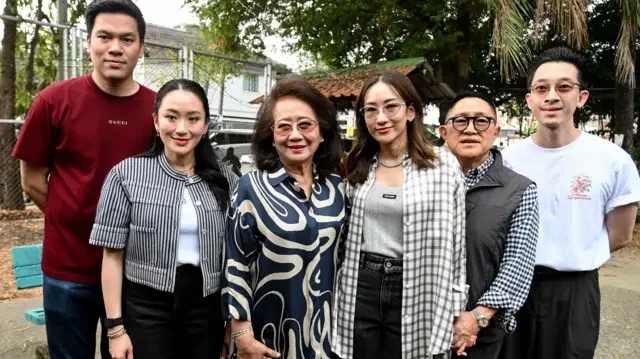
For many Thai citizens, the act of voting is imbued with a deep sense of hope, yet tinged with apprehension. The desire for a better future and for genuine change is palpable, but so is a weariness born from years of political instability and unfulfilled promises.
The Quest for a Better Future: Voters like Konwikhan Pongpaiboon are looking beyond immediate concerns, focusing on the long-term well-being of their children. This sentiment underscores a generational desire for progress and a departure from the status quo. The success of the People's Party, especially with younger voters, seems to directly tap into this yearning for a modernized, forward-looking nation.
The Weight of Expectation: On the other hand, citizens like Withawin Amoranmatevarin, a 30-year-old accountant, express a mixture of excitement and exhaustion. This dual feeling suggests a population that is eager to participate but also pragmatic, aware of the entrenched challenges that lie ahead. Will their vote truly translate into the tangible improvements they seek, or will the machinery of Thai politics prove resistant to their will?
The Unspoken Fears: The quote from Bangkok voters feeling "nervous about whether their choice would be reflected in the next government" is particularly telling. It hints at a pervasive distrust in the system itself – a fear that even a clear electoral mandate could be undermined by backroom deals, judicial rulings, or other non-democratic forces.
"Many people said they were voting for change, but felt nervous about whether their choice would be reflected in the next government." - Anonymous Bangkok Voter
This voter sentiment reveals a critical disconnect between the democratic process and the perceived ability of that process to enact meaningful change, suggesting an underlying public cynicism.
Read More: Boy, 11, Crashes Truck Into Monks, Killing Nine in Thailand

Will the People's Party Triumph or Fall Prey to the Old Guard?
The People's Party has captured the public imagination, consistently leading in opinion polls and drawing significant support, especially from younger and urban demographics. Their message of progressive reform appears to be resonating deeply. But how robust is this support when faced with the established power structures and the historical precedents of Thai politics?
The Power of Youth and Urban Voice: The rise of the People's Party is intrinsically linked to a younger generation that is more digitally connected and perhaps more impatient with traditional forms of governance. Their votes, concentrated in urban centers, represent a significant bloc that traditional parties must contend with.
The Challenge of Institutional Resistance: Despite leading in polls, the People's Party faces the formidable challenge of navigating a political system that has, in the past, proven adept at thwarting rising forces. The question remains: will the institutions that have historically favored more conservative elements of Thai society be able to accommodate or resist this progressive wave?
The Maturity of a Movement: Sirikanya Tansakun, a deputy party leader, acknowledges that the party's rapid growth has "forced it to mature quickly." This statement suggests an awareness of the responsibilities and complexities that come with mainstream political power. Can this newfound maturity withstand the pressures of forming a government and implementing its agenda?
The success of the People's Party hinges not only on continued popular support but also on its strategic ability to overcome entrenched institutional resistance and leverage its electoral strength into genuine governance.

Conclusion: A Fragile Mandate in a Complex System
As the votes are tallied and the political maneuvering begins, Thailand stands at a critical juncture. The election of February 8th, 2026, has presented a clear choice between distinct visions for the nation. The progressive People's Party appears to hold significant popular appeal, particularly among the youth and urban populations, signaling a desire for change. Yet, the established forces of Bhumjaithai, with its nationalistic appeal, and Pheu Thai, with its populist legacy, remain formidable contenders.
Read More: FBI Analysts Review Georgia 2020 Election Data in Fulton County
The lingering question is not simply who will win, but how the eventual winner will govern, and whether their mandate will be respected. The history of Thai politics is replete with instances where electoral outcomes have been contested, curtailed, or ultimately subverted by forces outside the ballot box. The apprehension expressed by voters about their choices being reflected in the next government is a testament to this deep-seated concern.
The fragility of democratic expression: Will the outcome truly reflect the will of the people, or will it be subject to the intricate interplay of judicial decisions, parliamentary maneuvering, and the influence of powerful established interests?
The challenge of coalition building: Regardless of the leading party, the need for coalition governments in Thailand is almost certain. How will these diverse political ideologies coalesce, and will these alliances be stable enough to implement meaningful reform?
The potential for renewed instability: If the perceived will of the voters is thwarted, or if governance proves to be deeply contentious, could this election simply be another prelude to further political upheaval?
The nation waits, hopeful for progress but aware of the enduring complexities of its political landscape. The true test for Thailand's democracy will lie not just in the counting of votes, but in the resilience and integrity of its institutions to uphold the democratic process, whatever the outcome.
Sources:
The Guardian: https://www.theguardian.com/world/2026/feb/08/thai-voters-head-to-the-polls-with-three-main-parties-vying-to-form-government
AP News: https://apnews.com/article/thailand-election-anutin-peoples-politics-bhumjaithai-13e29b82fc2127a7de3bd2a1f332405a
Channel News Asia: https://www.channelnewsasia.com/asia/thailand-votes-2026-key-parties-bhumjaithai-peoples-party-pheu-thai-5909631
The Straits Times: https://www.straitstimes.com/asia/se-asia/explainer-how-will-thailands-election-play-out
Al Jazeera: https://www.aljazeera.com/news/2026/2/8/polls-open-in-thailand-with-three-main-parties-vying-for-power
DW News: https://www.dw.com/en/thailand-2026-election-what-you-need-to-know/a-75842543