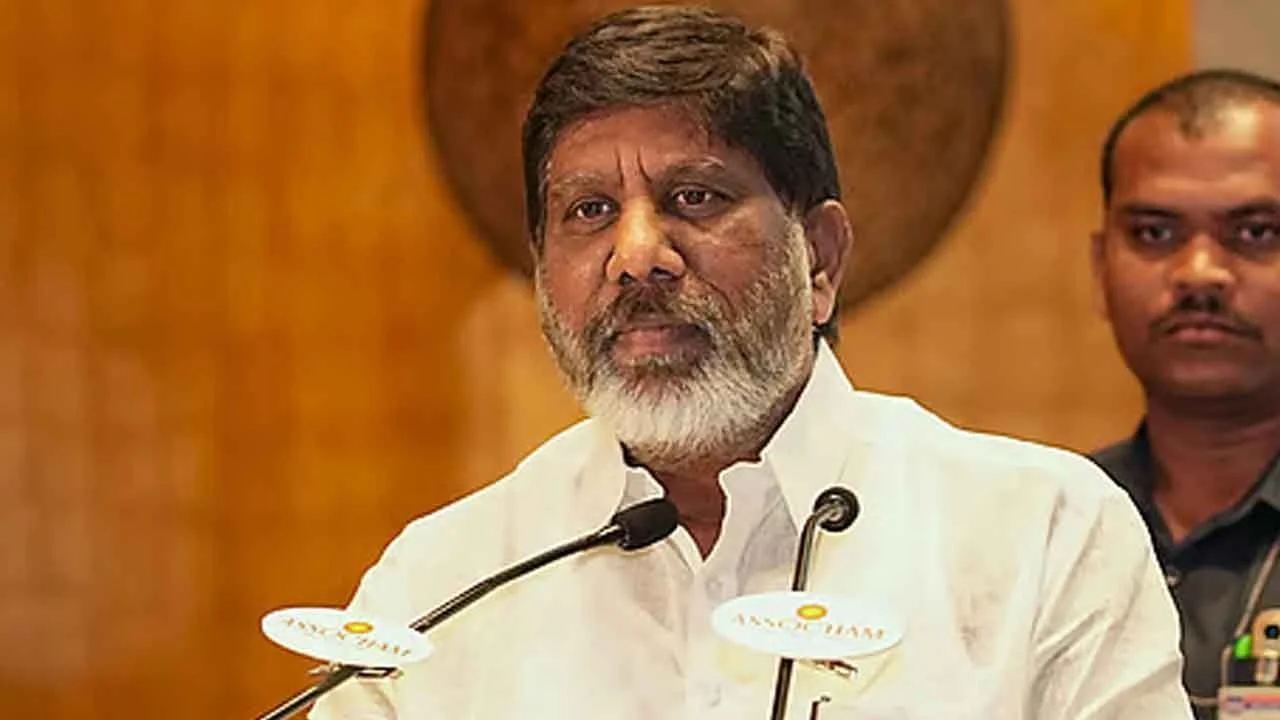
The government of Telangana, led by Deputy Chief Minister Bhatti Vikramarka Mallu, has moved to restructure the state’s education system, positioning academic investment as the primary instrument for addressing socio-economic disparity and global market competition. Central to this agenda is the deployment of Young India Integrated Residential Schools, a state-led infrastructure project intended to standardize schooling across diverse social segments.
| Project Pillar | Current Status/Metric | Objective |
|---|---|---|
| Integrated Schools | 104+ locations sanctioned | Uniform international standards |
| Infrastructure | ₹200 crore per 25-acre campus | Equity in access |
| Industry Alignment | Skill University (Bharat Future City) | Job-ready productivity |
Core insight: The administration is framing education not merely as a service, but as a long-term economic 'hard asset' meant to bypass a decade of alleged policy neglect.
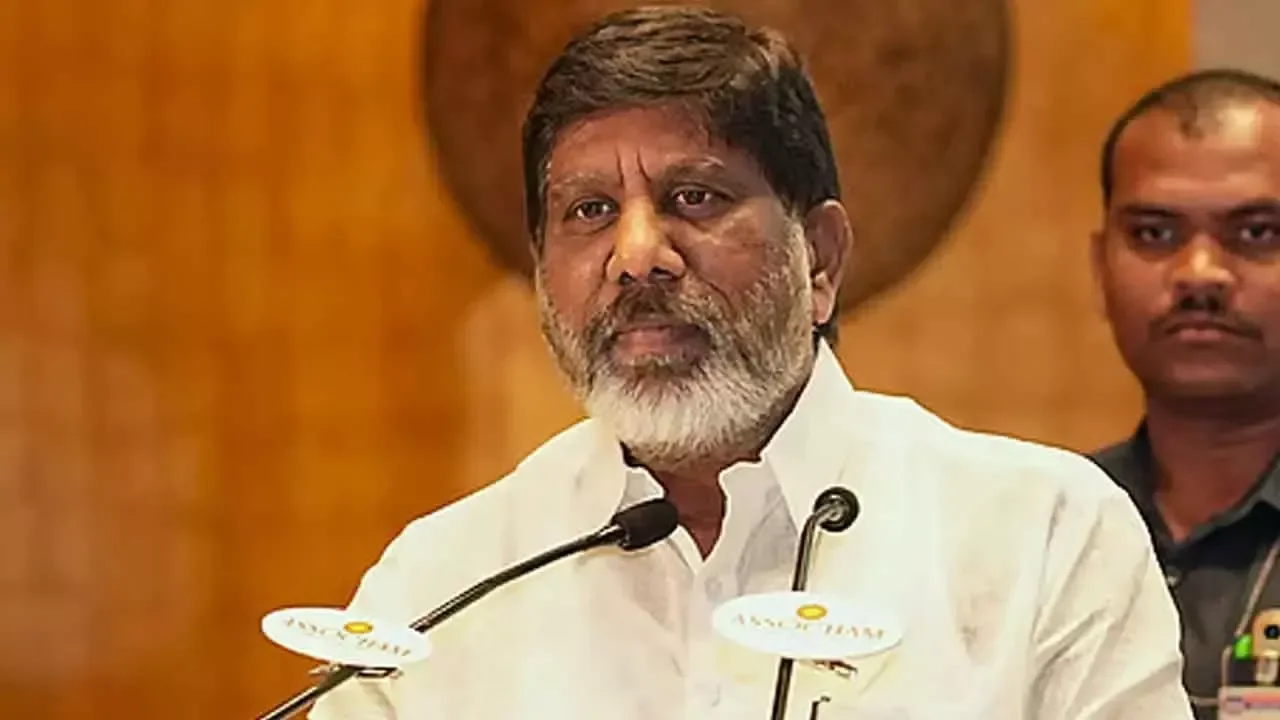
Structural Expansion and Institutional Focus
The state’s approach rests on a shift from traditional classroom models to what officials term a "productive formula." The strategy integrates three main components:

Residential Schooling: One school per assembly constituency, aimed at merging marginalized groups into high-standard environments.
Skill Diversification: Transforming 100 Industrial Training Institutes (ITI) into Advanced Technology Centers to directly influence state GDP growth.
Infrastructure Overhaul: Significant capital allocation toward specialized institutions, including the Koti Women’s College (budgeted at ₹500 crore) and regional skill hubs.
Beyond bricks and mortar, the administration is emphasizing a 'value-based' curriculum designed to synthesize technical proficiency with social cohesion. Bhatti has repeatedly categorized education as the fundamental 'weapon' against systemic inequality, suggesting that the state's future stability rests on this educational foundation rather than solely on infrastructure investment.
Read More: Google Learn About AI Tool Released April 2026 For Simple Learning
Political Context and Administrative Messaging
The current policy environment represents a stark departure from the preceding ten years. Officials highlight a transition from an atmosphere where discourse was constrained to one of 'restored freedom of expression' within university spaces, such as Osmania University.
"When an idea moves from the stage to public discussion, it has truly served its purpose." — Bhatti Vikramarka Mallu, addressing the intersection of state policy and academic inquiry.
The rhetoric suggests a desire to reset the social contract. By inviting private sector collaboration—while simultaneously tightening government control over educational equity through standardized, high-budget campuses—the state is attempting to synchronize public schooling with the evolving requirements of Global Industry.
Background: The Pivot
The shift follows the Congress party's ascent to power in December 2023. Since then, the government has utilized various channels, including the 'People's March' and industry summits, to align academic outcomes with industrial demands. Critics and supporters alike have observed that the scale of this project—aiming for development horizons spanning 50 to 100 years—necessitates significant budgetary consistency. Whether these institutional changes will achieve the projected 'radical' shift in social mobility remains the subject of ongoing, if still nascent, public evaluation.
Read More: Telangana cancer data move, but treatment places lack staff