Minister Explores Dual System in Hannover
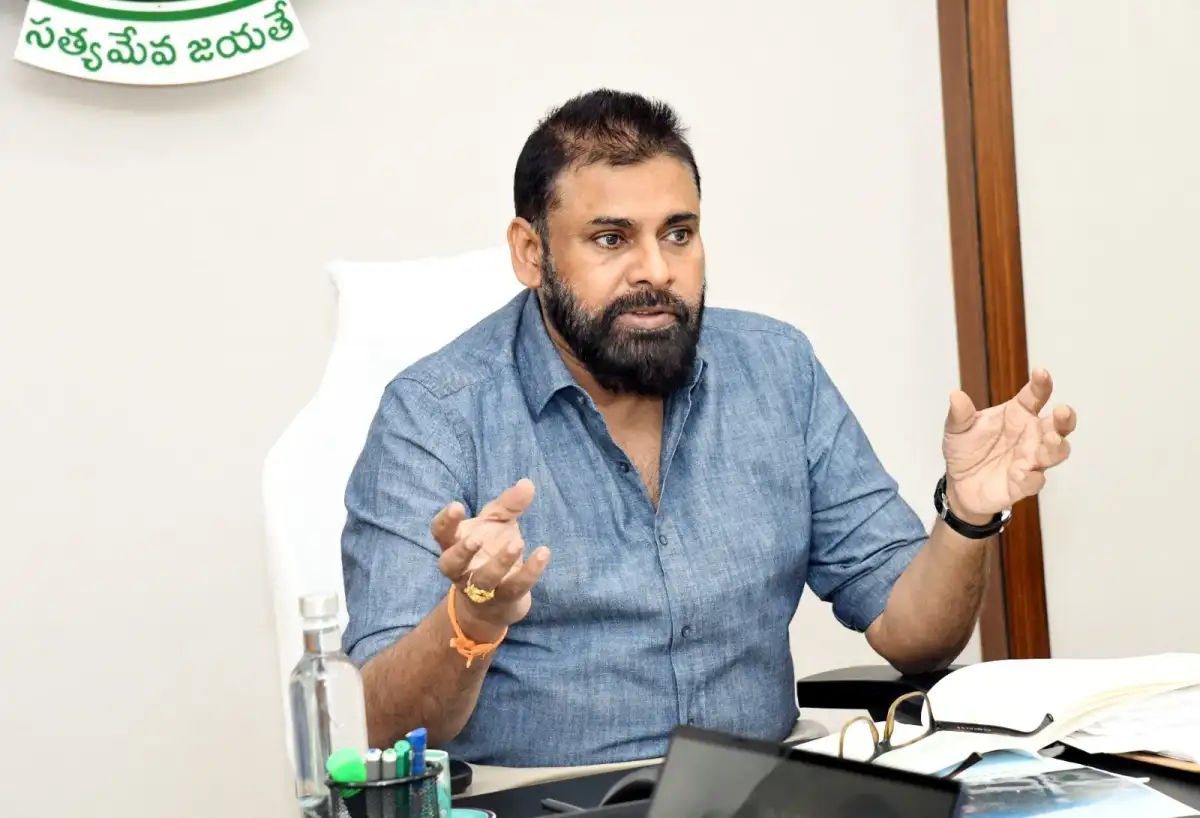
Telangana Minister Vivek Venkatswamy recently engaged with officials at the Chamber of Skilled Crafts – Handwerkskammer (HWK) in Hannover, Germany, seeking to integrate elements of the German vocational training model into the state's education system. The HWK, a self-governing body representing the skilled crafts sector, serves as a key contact for businesses and apprentices across Germany. This exploration underscores a deliberate move by Telangana to adapt a system recognized for its strong link between education and industry needs.

Discussions revolved around education models and potential adoption in Telangana. The German approach, often referred to as the 'dual system' or 'Ausbildung,' combines practical, on-the-job experience with theoretical instruction. This model is credited with fostering high skill levels and low youth unemployment in Germany.
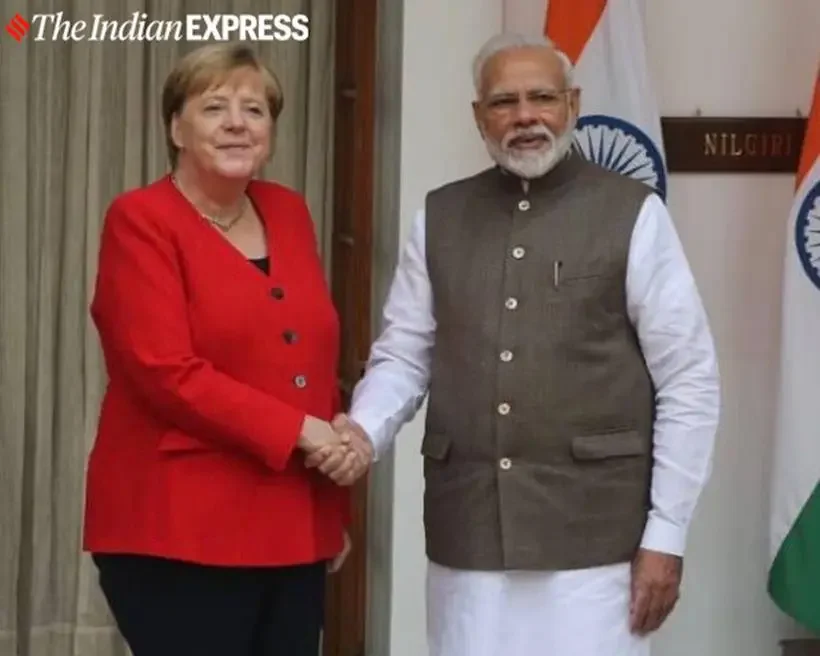
In recent years, Telangana has actively pursued collaborations with Germany for skill development. Previously, the state has celebrated the success of its electricians securing jobs in Germany following training with Indo Euro Synchronization. The minister has also voiced support for expanding these collaborations, particularly for ITI students, under programs like the 'Triple Win Project' which facilitates placement of nurses in German healthcare institutions.
Read More: Google Learn About AI Tool Released April 2026 For Simple Learning

Deeper Dive into the German Model
The German vocational education and training (VET) system is characterized by its highly regulated structure and close integration with the labor market. This 'dual system' is a cornerstone, merging practical training within companies with classroom-based learning.
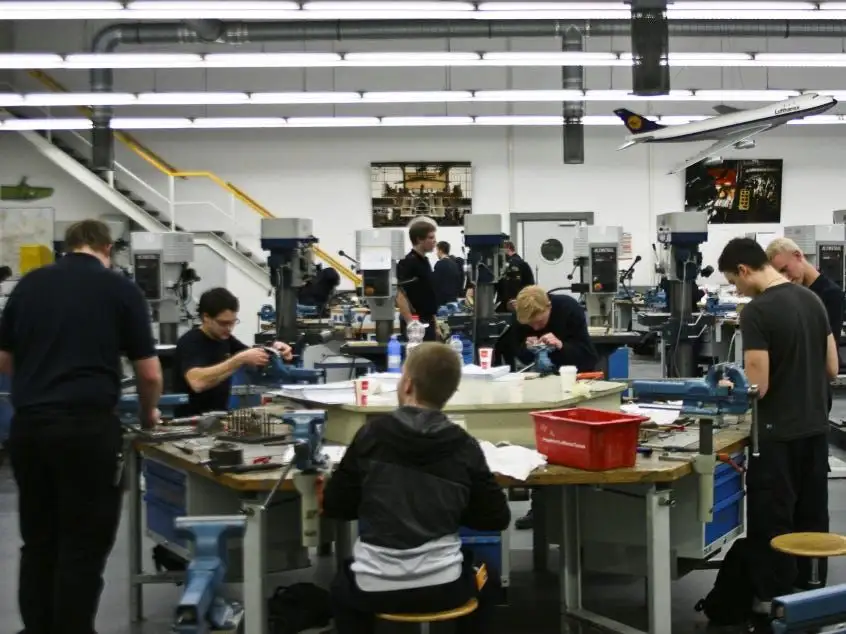
Structure: The system emphasizes apprenticeships where individuals learn a trade while earning a wage.
Legislation and Regulation: Strong government oversight ensures standardized, high-quality training across sectors.
Stakeholder Involvement: Collaboration between government, industry, and educational institutions is fundamental.
This approach aims to directly address labor market demands, ensuring a skilled workforce that is readily employable. Recent government statements suggest an interest in adapting these elements, with a focus on building pathways for skilled migration and aligning Indian workforce capabilities with global standards.
Historical Context and Broader Ambitions
The current engagement builds upon a longer-standing partnership between India and Germany in skill development. Agreements dating back to late 2019 signaled an intent to strengthen vocational education and training, with Germany providing technical assistance to enhance industry-institute linkages. This includes adapting aspects of the German dual system for the Indian context, supported by German financial contributions.
Read More: Telangana cancer data move, but treatment places lack staff
Beyond vocational training, Telangana's broader development vision, as articulated by other ministers, includes economic frameworks aimed at urban, peri-urban, and rural development. These frameworks prioritize job creation and economic upliftment, suggesting that the focus on skill development, inspired by models like Germany's, is part of a larger strategy for sustainable growth and enhanced livelihoods across the state.