Educational Material Becomes Flashpoint Amidst Outrage
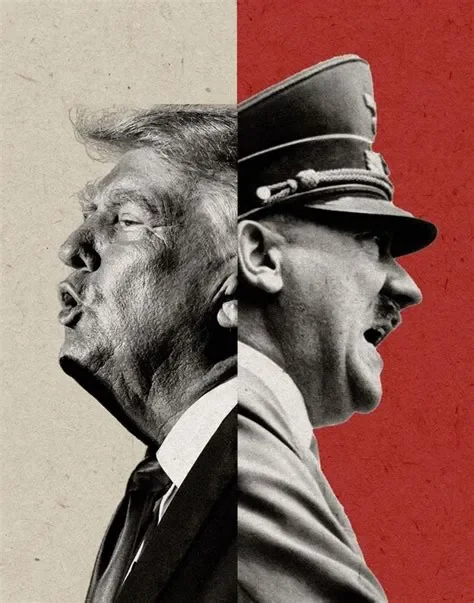
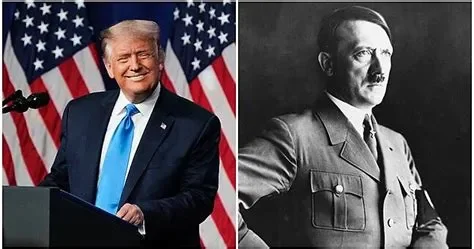
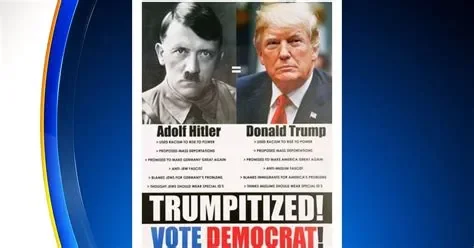
A recent incident involving a high school AP American Government textbook has thrust educational content into a significant public discussion. The textbook's inclusion of a political compass chart, positioning Donald Trump in close proximity to Adolf Hitler on an authoritarianism scale, has sparked widespread outcry, particularly among conservative observers and commentators.
The core of the controversy centers on a political compass exercise within the textbook. This tool, intended to help students analyze political ideologies, charts public figures based on economic views and levels of authoritarianism. Images of the chart, shared on social media, show Trump situated as highly authoritarian with right-wing economic leanings, a placement that has drawn sharp criticism.
Details about the methodology behind the chart's placements remain scant, with the textbook page itself stating the data is drawn from the 'Political Compass blog' and asking readers to analyze where figures from recent US presidential campaigns and international politics fall. Notably, the textbook offers no further explanation regarding how these specific political figures were assigned their positions on the chart.
Read More: NCERT Changes Syllabus Panel After Court Order on Textbook
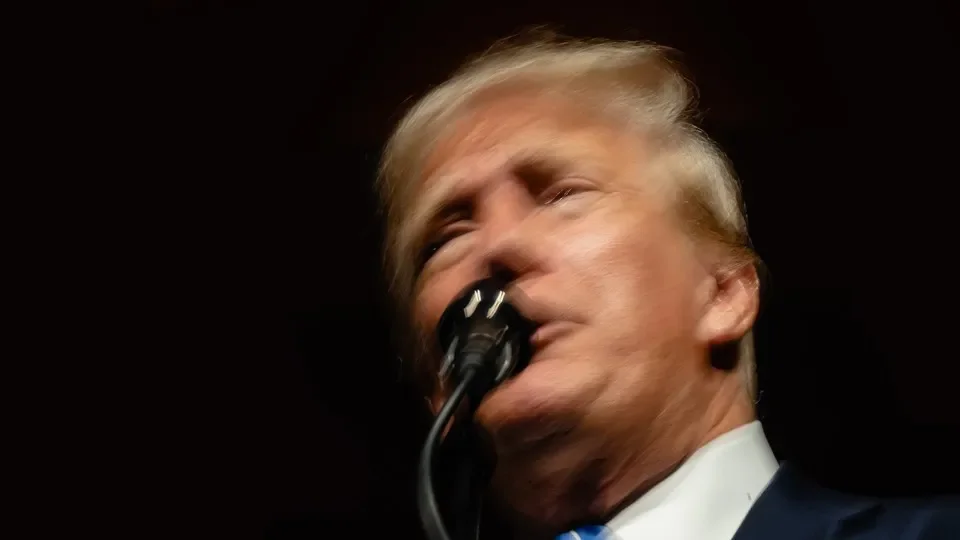
A Controversial Comparison
The comparison, appearing in material for American students, has ignited a heated debate on social media platforms and in public discourse. Commentators have questioned the educational value and potential bias of such a direct comparison.
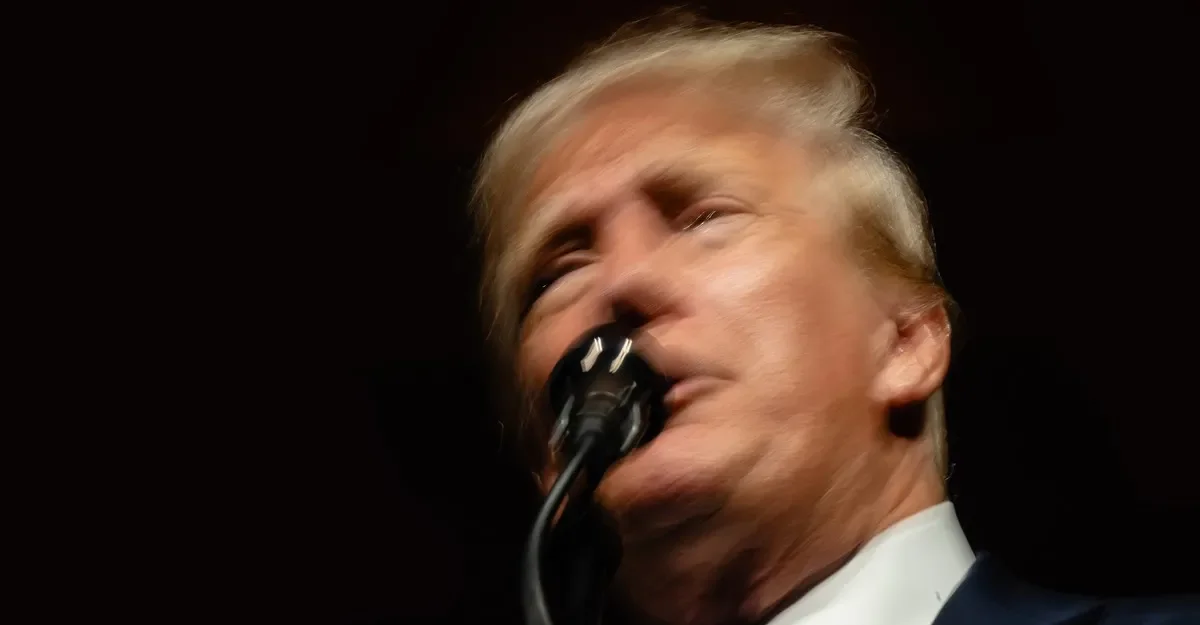
Critics argue that placing a former US president near Hitler, a figure associated with genocide and totalitarian rule, is an inflammatory and inappropriate pedagogical choice.
The outrage, amplified by columnists and media outlets, has framed the textbook's content as part of a larger trend of perceived bias in educational materials.
Wider Context of Rhetoric and Ideology
This textbook controversy surfaces amidst a broader national conversation about teaching complex historical and political concepts. Scholars and analysts have previously explored parallels between Trump's rhetoric and that of historical authoritarian figures, including Hitler, Stalin, and Mussolini.
Comparisons have often focused on Trump's use of dehumanizing language, particularly when addressing immigrants and political opponents, linking such rhetoric to potential justifications for political violence and exclusion.
Discussions have touched upon the concept of fascism and how Trump's political agenda and style have been analyzed in relation to it. Some academics have cited Trump's involvement in the January 6 U.S. Capitol attack as an example.
The concept of "purifying the blood" of a nation and propaganda targeting minority groups have also been cited in academic comparisons between Trump and Hitler.
The controversy highlights ongoing tensions surrounding historical revisionism, the role of education in shaping political perspectives, and the perceived influence of critical race theory in curricula. McGraw Hill, the textbook publisher, has acknowledged the concerns raised by the material.