


In the machinery of state management, the act of "scrutiny" serves as the final sieve before power is solidified. In Chennai, the local electoral office cleared six names for six seats, effectively ending the Rajya Sabha contest before any hands were raised. Across the water in Sri Lanka, the same machinery swallowed 39 different names for a single office, while in the United States, a digital tally replaced the physical gathering to confirm a pre-ordained ticket. These rituals, though geographically scattered, share a singular trait: the administrative paper-trail now dictates the political outcome.
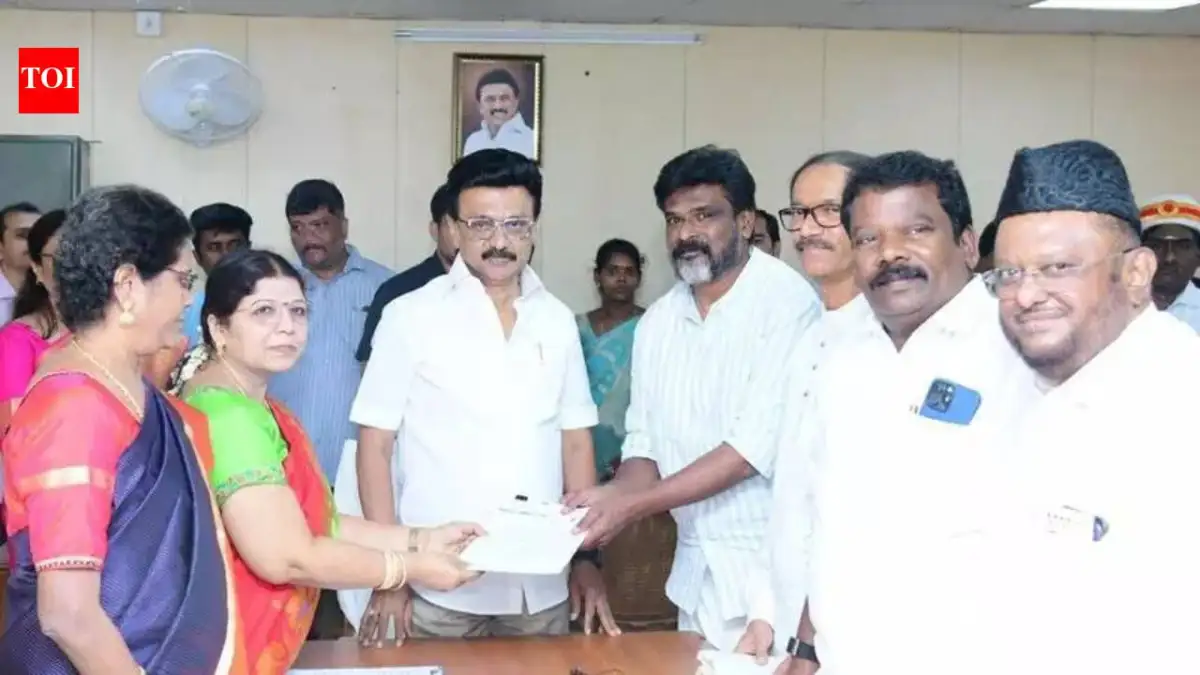
The Tamil Nadu Sieve: Six Slots, Six Men
The Rajya Sabha biennial election in Tamil Nadu has ceased to be a contest and morphed into a scheduled handover. On Friday, the Returning Officer, R Santhi, confirmed that the pool of candidates matches the number of vacancies, rendering the "election" a formality of certification.
Read More: Taiwan Holds Nantou County Drills to Prepare for State Collapse

The cleared list features Trichy N Siva and J Constantine Ravindran (DMK), M Christopher Tilak (Congress), and L K Sudeesh (DMDK) from the ruling coalition.
The alternate block consists of M Thambidurai (AIADMK) and Anbumani Ramadoss (PMK).
All independent attempts were erased during the scrutiny phase.
P Swaminathan, an aide to the PMK founder, saw his papers discarded, ensuring no internal friction for the party's primary choice.
Comparing the Rituals of Nomination
The following table outlines how different bureaucracies managed their recent influx of political hopefuls.
| Region | Office Sought | Nominations Accepted | Rejections/Exclusions | Final Status |
|---|---|---|---|---|
| Tamil Nadu | Rajya Sabha | 6 | 8 (7 independents + 1 proxy) | Unopposed victory certain |
| United States | President | 2 (Ticket) | N/A (Virtual lock-in) | Certified via roll call |
| Sri Lanka | President | 39 | 0 (3 objections dismissed) | Mass-field ballot |
Digital Certification and Crowded Ballots
The American Democratic Party utilized a "virtual roll call" to finalize Kamala Harris and Tim Walz as their official nominees. This move shifted the nomination from a floor debate to a database entry, citing ballot access deadlines as the primary driver.
"The announcement follows a transparent and democratic nominating process… with 99% of participating delegates supporting Kamala Harris."
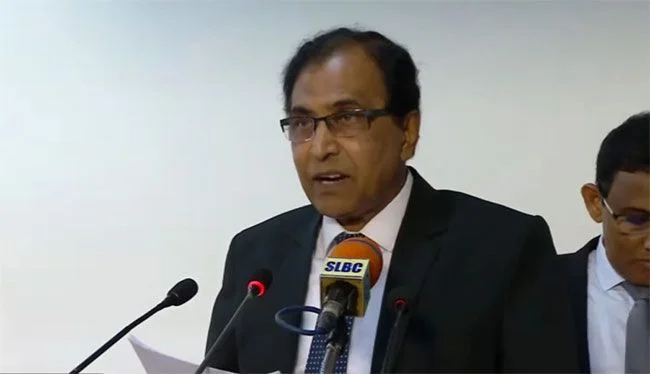
Meanwhile, the Election Commission of Sri Lanka opted for total inclusion. Chairman R.M.A.L. Rathnayake cleared 39 candidates for the presidential race, dismissing three formal objections. This creates a dense, multi-party landscape involving 22 recognized parties and 16 independents, a sharp contrast to the curated selections seen in India and the US.
Background: The Function of the Returning Officer
The role of the Returning Officer is often the most vital, yet least examined, part of the cycle. In Tamil Nadu, the presence of Archana Patnaik as an observer ensures the paperwork follows the letter of the law, even if the spirit of competition is absent.
Read More: Kanyakumari Atomic Mining Permit Extended for 1144 Hectares in 2026
In Rajya Sabha polls, parties nominate candidates based on their strength in the state assembly; when the math is known, the "election" becomes a administrative filing.
The rejection of independent candidates is a recurring theme, often due to lack of proposers or technical flaws in the filing documents.
Official certificates for the Tamil Nadu candidates are expected on March 9, concluding the biennial ritual without a single vote being cast.







