


The formation of the government in Tamil Nadu currently rests on a fragile parliamentary alignment. Following the 2026 assembly elections, the Thalapaga Vettri Kazhagam (TVK), led by Vijay, secured the necessary majority to form a government only after formalizing a coalition with the Viduthalai Chiruthaigal Katchi (VCK) and other minor partners. The alliance reached the required threshold of 118 seats, ending a period of intense post-election uncertainty.
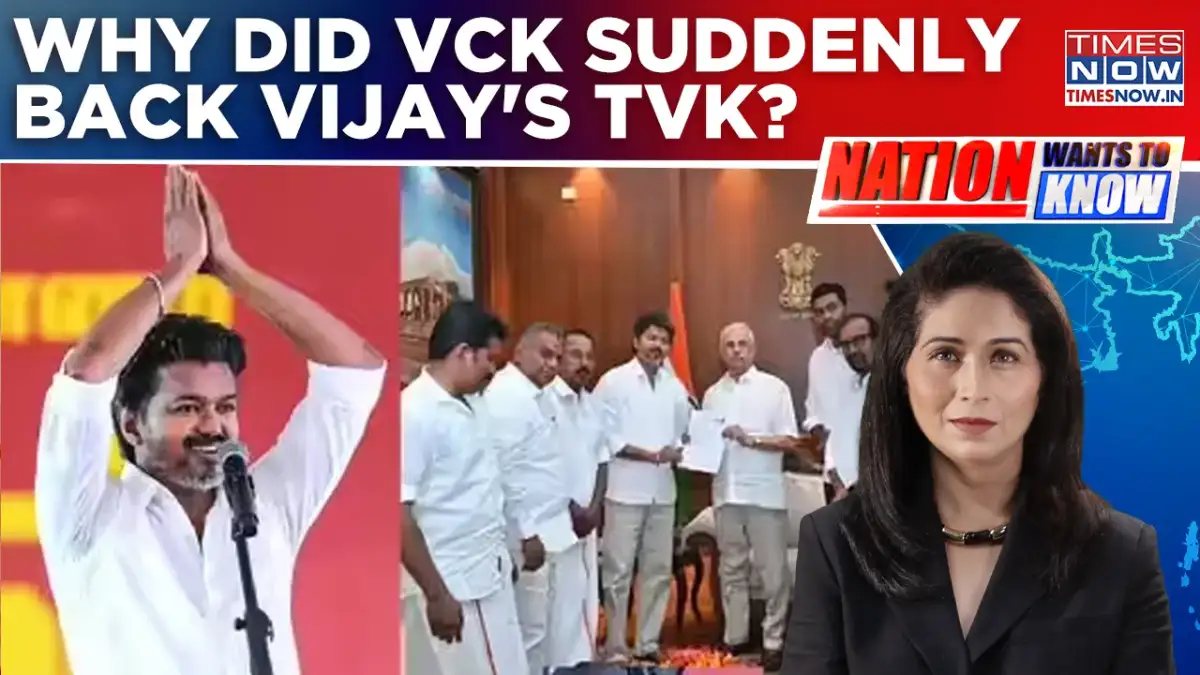
The VCK has transitioned from a skeptical outsider to a critical kingmaker, effectively leveraging its two seats to dictate specific governance conditions to the TVK leadership.
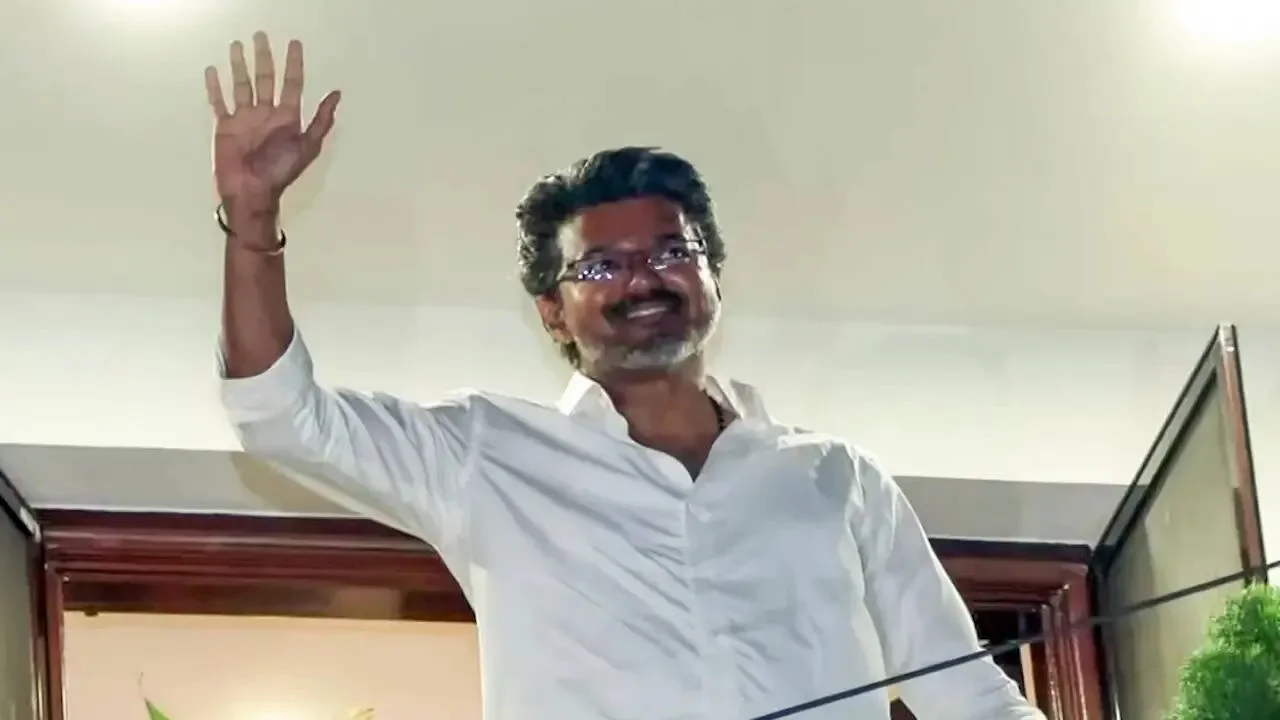
The Four Pillars of the VCK Demands
The VCK, under the leadership of Thol Thirumavalavan, has presented a list of four core demands to the TVK government as the price for its ongoing stability:

Political Representation: Persistent lobbying for a Deputy Chief Minister post for Thirumavalavan, alongside a demand for two to three additional cabinet berths.
Legislative Reform: Implementation of a specific law to address long-standing grievances regarding the Scheduled Caste (SC) community.
Administrative Oversight: Strengthening the presence of SC ministers within the Cabinet, aiming for proportionality that reflects the community’s population.
Constituency Succession: Potential negotiation regarding the Tiruchirappalli East seat, should Vijay vacate it to retain his Perambur constituency.
A Coalition of Necessity
The path to this administration was not linear. As of early May, the TVK was significantly short of the majority mark, relying on the Congress (5 seats), CPI/CPM (4 seats), and IUML (2 seats) to bridge the gap.
Read More: Taiwan Holds Nantou County Drills to Prepare for State Collapse
| Party | Support Status | Seat Count |
|---|---|---|
| TVK | Lead | ~100+ (Est.) |
| VCK | Critical Partner | 2 |
| Congress | Coalition | 5 |
| Left Parties | Outside Support | 4 |
| IUML | Coalition | 2 |
The Power Vacuum: The DMK finished with 59 seats, while the AIADMK secured 47, neither reaching a clear path to form the executive branch.
Strategic Hedging: During the period of formation, the VCK held discussions across the spectrum, including meetings with the AIADMK and the DMK, before eventually casting its lot with the TVK.
Institutional Pressure: The decision to back Vijay was largely driven by an stated opposition to potential Governor’s rule, with the VCK framing their support as a defense of the people’s mandate.
Contextual Undercurrents
This alignment signifies a shift in Tamil Nadu Politics. Critics of previous administrations have long pointed to the insufficient representation of SC communities within established parties. By successfully pushing for a seat at the table—and explicitly tying this to structural legislative changes—the VCK is attempting to move beyond traditional electoral politics into direct influence over the State Government.
While the cabinet has already begun to show signs of inclusion, with eight SC ministers currently appointed, the VCK remains firm that this is only the beginning of a broader Social Equity agenda that will test the resilience of the TVK leadership in the coming months.






