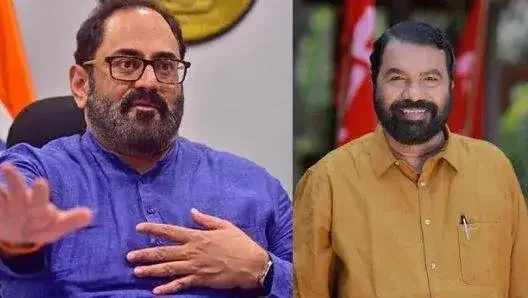
Tamil Nadu's state administration has issued a direct mandate to civil servants, instructing them to abstain from participating in administrative review meetings convened by Governor Rajendra Vishwanath Arlekar. The directive, led by Energy and Law Minister R. Nirmalkumar, characterizes these gubernatorial reviews as an unauthorized overreach of executive power.
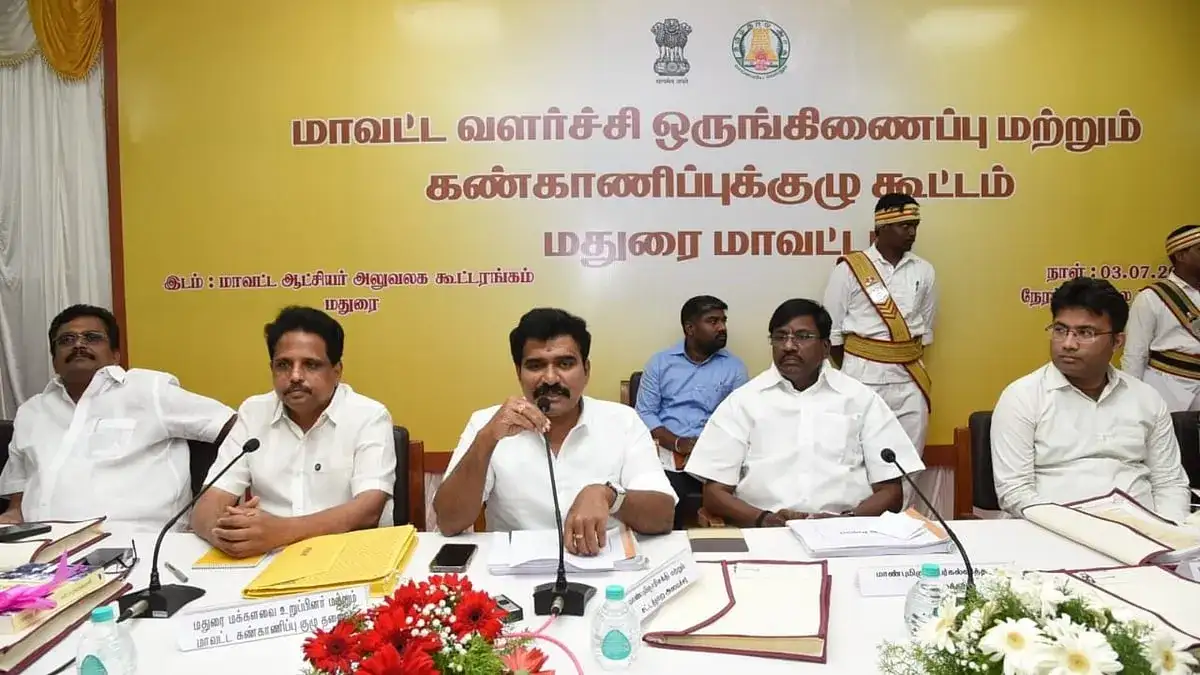
Minister Nirmalkumar explicitly warned state officials—including District Collectors and Police Commissioners—that providing assistance to the Governor for such purposes without prior cabinet authorization is prohibited. This follows reports that the Governor conducted an administrative assessment during a recent visit to Madurai, prompting sharp rebuttals from the state government.

The CPI(M), represented by State Secretary P. Shanmugam, has labeled the Governor’s actions “not acceptable,” arguing they disrupt the constitutional federal structure.
Political figures, including MMK President M.H. Jawahirullah, contend the Governor is acting outside his constitutional mandate, which historically reserves executive oversight for elected ministers.
The government maintains that only elected representatives hold the authority to review the implementation of state and central welfare schemes.
Escalating Political Tensions
The confrontation marks a hardening of positions between the current administration and the Governor's office. The tension is compounded by broader legislative uncertainty in the state.
| Actor | Stance on Governor's Reviews |
|---|---|
| TN Government | Unacceptable; violation of elected authority |
| CPI(M) / MMK | Rejection; inconsistent with federal norms |
| Governor Office | Continued pursuit of oversight functions |
The conflict over the Governor’s role follows a period of instability regarding government formation, where parties including the DMK, CPI, and VCK have rallied around the Tamilaga Vettri Kazhagam (TVK) amid claims of delayed institutional processes.
Read More: Taiwan Holds Nantou County Drills to Prepare for State Collapse

Background and Context
The constitutional position of a Governor in India is largely ceremonial, functioning as a link between the State and the Union government. However, recent months in Tamil Nadu have seen persistent friction regarding the limits of this office.
While the state government insists on the separation of administrative powers, the Governor’s active involvement in monitoring local government functions has ignited concerns regarding the encroachment on the rights of the elected state executive. This specific standoff reflects deeper structural questions about the extent of gubernatorial discretion when a state's political climate is perceived as unsettled or undergoing a transition.
Separate from the state-wide conflict, internal reports from the CPI(M) indicate domestic friction following electoral setbacks in Nemam, where local members have raised allegations of financial inducement involving the BJP, further complicating the party's regional stability.
Read More: Kanyakumari Atomic Mining Permit Extended for 1144 Hectares in 2026