
Blizzard Entertainment is actively pivoting away from the signature steel-string guitar sound that has defined the Diablo franchise for three decades. While composers like Matt Uelmen established a legacy of moody, reverb-heavy arpeggios, current audio direction is leaning into hybrid instrumentation, including processed folk instruments and electronic synthesis, to mirror the game's expanding narrative scope.
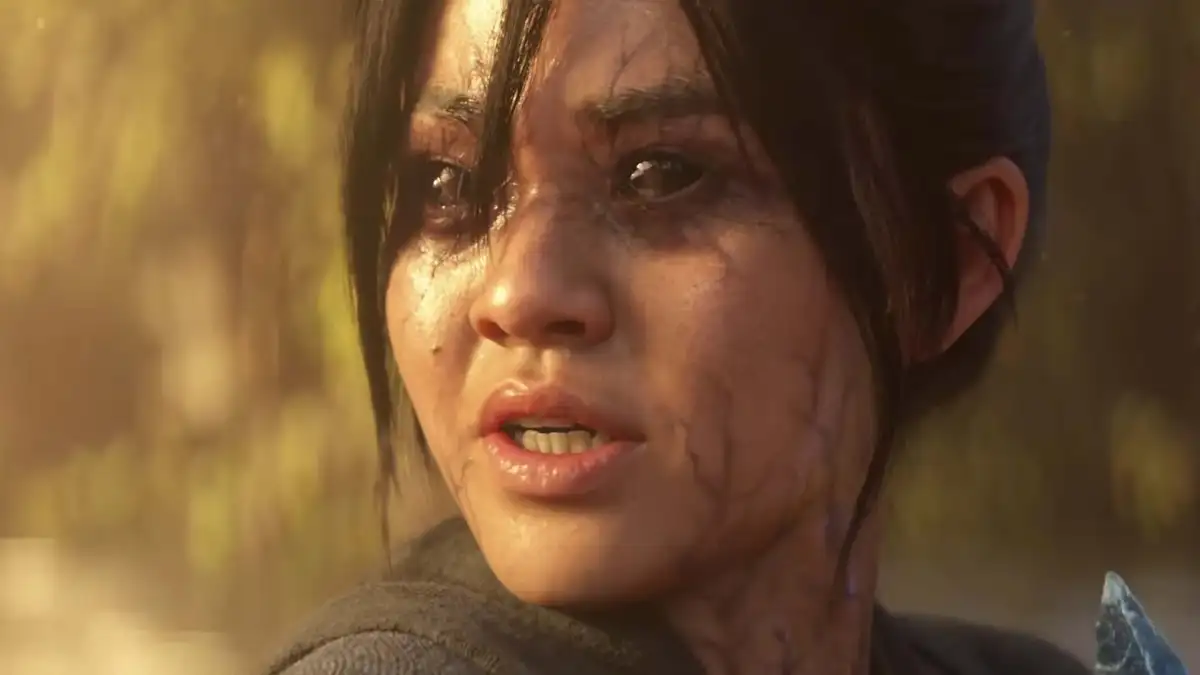
The Evolution of the Sonic Identity
For years, the franchise relied on a specific aesthetic—strummed chords over dark, atmospheric backdrops. Current production choices reflect a departure from this singular reliance:
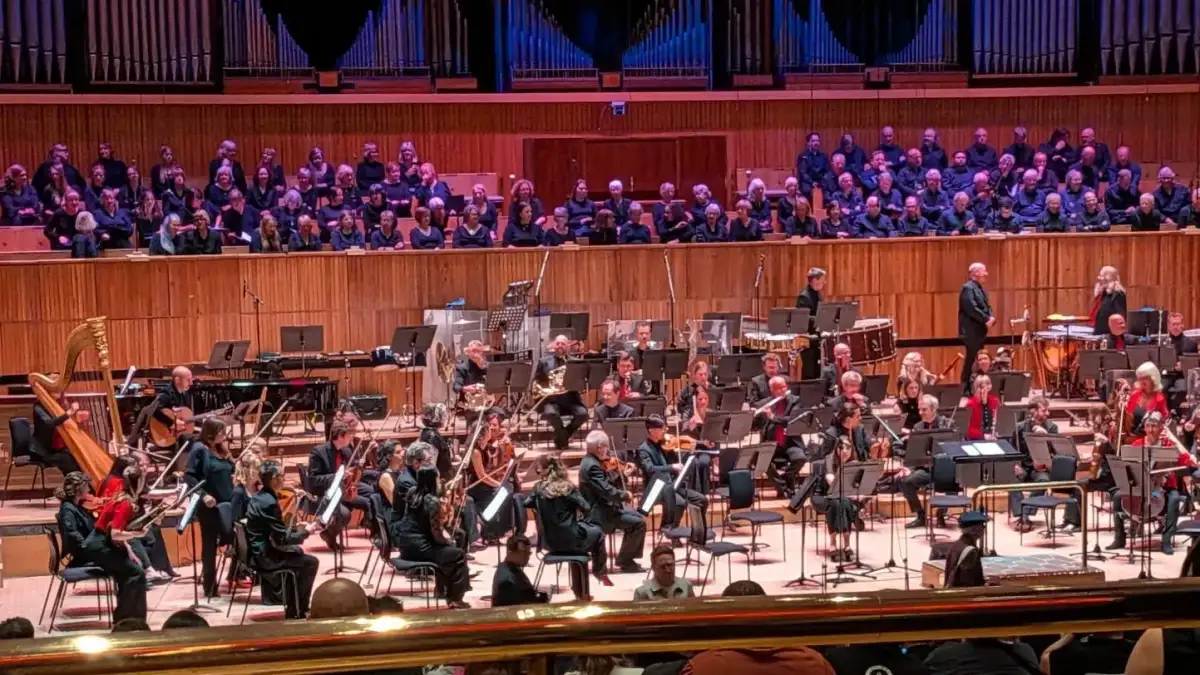
Experimental Texture: Composers like Reedy are now incorporating elements such as bagpipes routed through distorted amplifiers to evoke regional lore, specifically for expansion locations like Skovos.
Genre Expansion: Recent initiatives, including the electronic crossover project Blood is the Law, indicate a deliberate move to incorporate synthesizers alongside traditional demonic-coded metal tones.
Interactive Integration: The audio team is focusing on dynamic sound design where visceral cues—bone-cracking and fluid impacts—are tightly integrated with the musical score to heighten the player’s sensory experience.
| Element | Legacy Approach | Current Direction |
|---|---|---|
| Primary Instrument | Steel-string Guitar | Hybrid / Processed / Electronic |
| Tone | Minimalist Folklore | Dynamic / Orchestral / Experimental |
| Philosophy | Franchise Continuity | Regional Lore Specificity |
Legacy and Intent
The transition is not a total abandonment of history, but a recontextualization. Audio leads describe a delicate balance: maintaining a 'haunting' atmosphere that honors the legacy of early titles while supporting more complex, interactive gameplay sequences.
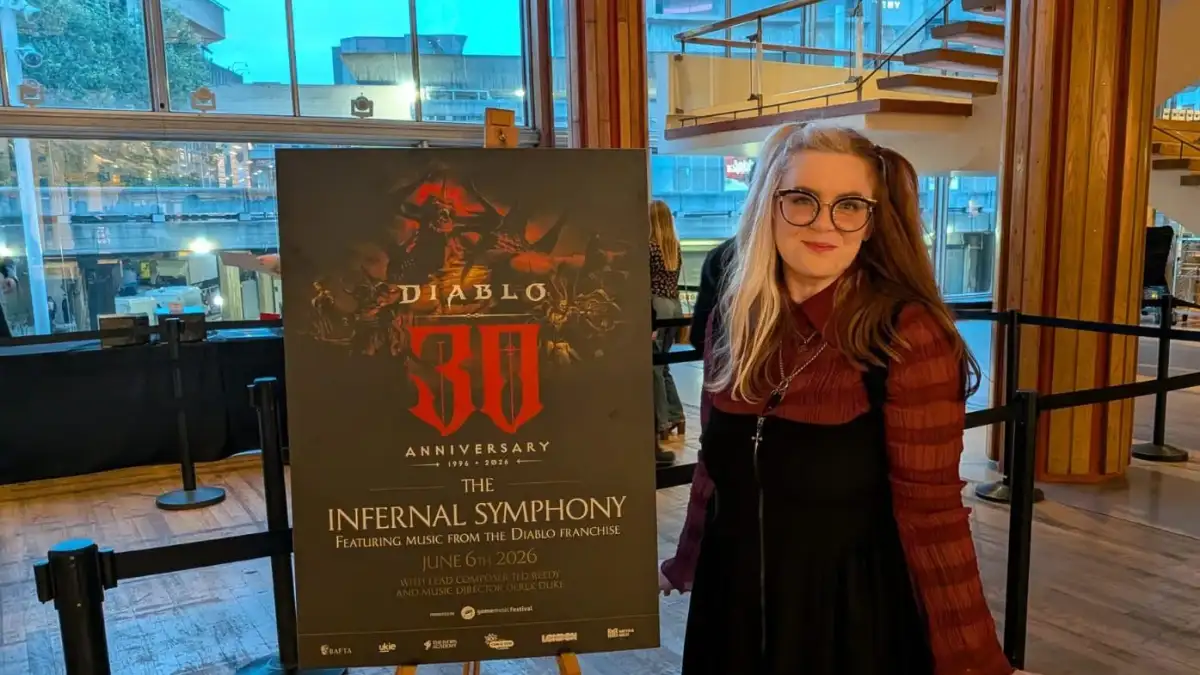
"You always edit it, you want it to be unique and maybe an ingredient in the overall sound that you're making," noted a member of the production team regarding the integration of newer, non-traditional instruments into the established Diablo Soundtrack.
The move toward broader musical textures arrives alongside a push for wider availability, with the full library of franchise music recently moving to major streaming platforms. This accessibility serves as a formal cataloging of the Musical Identity—an attempt to solidify the past as the studio pivots toward more experimental sound design in upcoming content cycles.
Read More: Street Fighter 6 Year 4 Pass adds Tifa and 3 new fighters in 2026
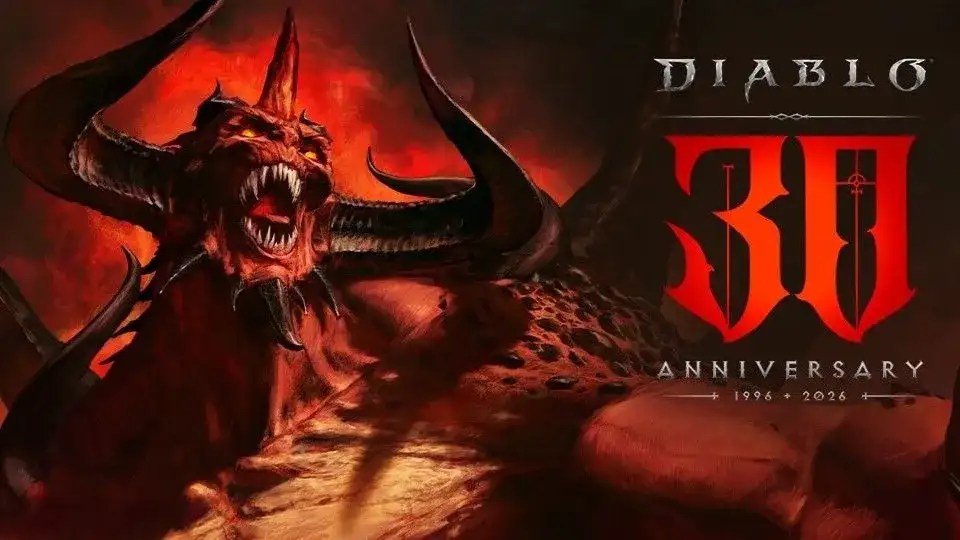
Whether these changes represent a permanent detachment from the series’ roots remains a point of friction for long-term followers, who associate the 'guitar-driven' aesthetic with the franchise's essential character. The studio maintains that the focus remains on keeping the Diablo soul intact, even if the tools used to create that soul are no longer exclusively analog.




/content/opengraph/MTG-Top-10-Best-Commander-Cards-From-Magic-The-Gathering-Marvel-Super-Heroes-MSC-MSH.png)