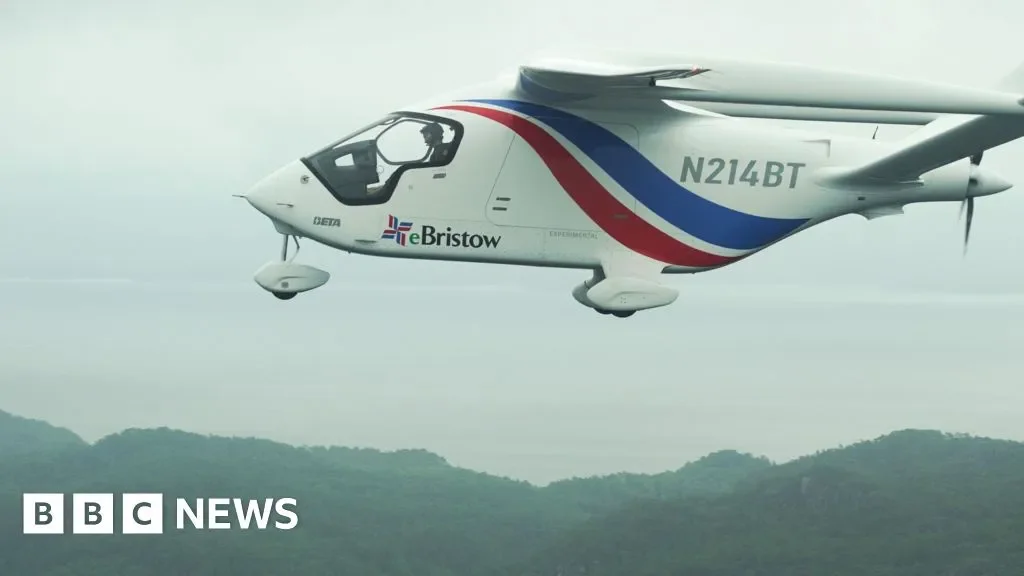
A new breed of electric aircraft is beginning to make real-world appearances, with companies like Beta Technologies already conducting test flights and even securing orders. Beta's Alia CX300, a five-passenger electric plane, has been tested on "real-life missions" and is slated for revenue-cargo flights later this year under a pilot program. The company is also developing an electric vertical takeoff and landing (eVTOL) craft, the Alia 250, aiming for certification in the years ahead.
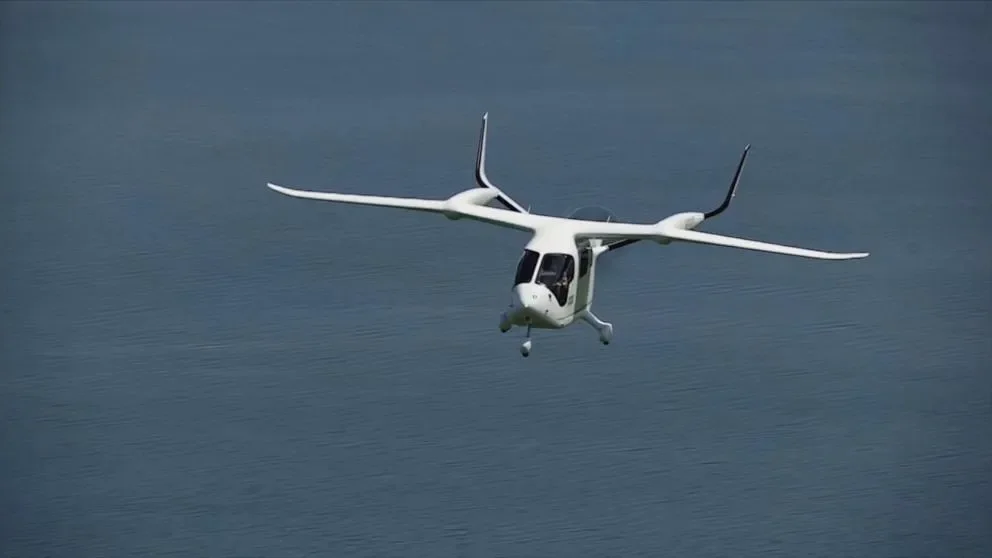
The viability of these electric planes hinges on overcoming significant technological and infrastructural challenges, alongside the inherent complexities of a highly competitive aviation market.
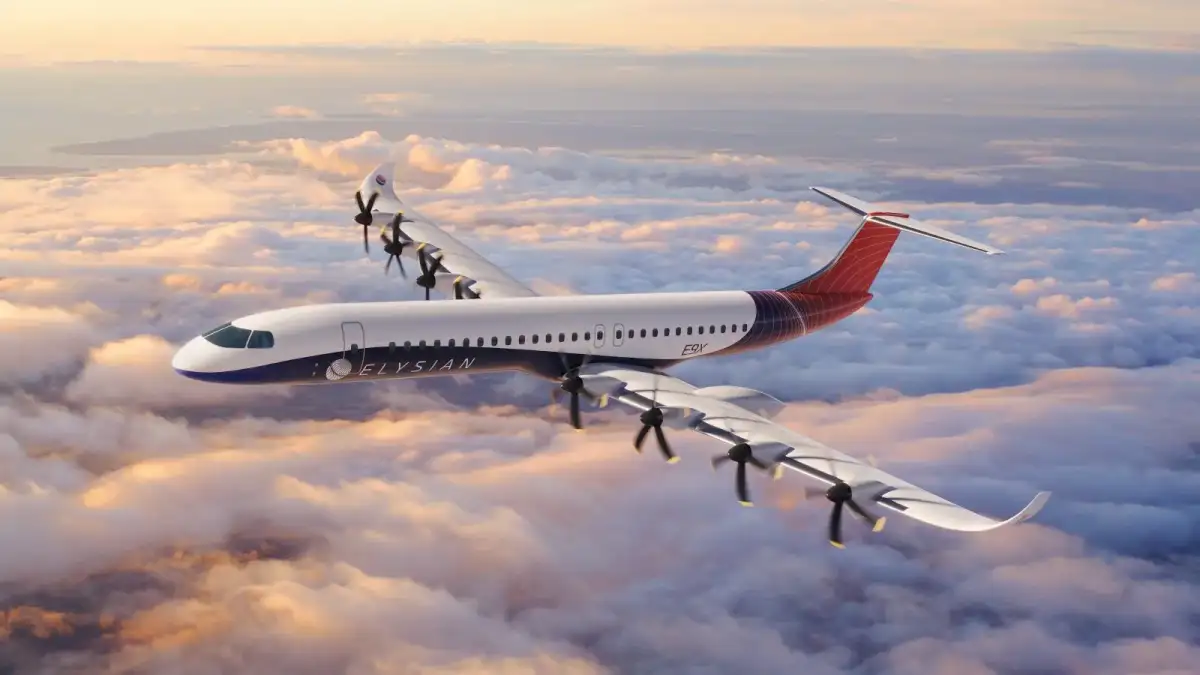
Several other startups are pushing forward with electric and hybrid-electric designs. Elysian is developing a 90-passenger plane, the Elysian E9X, which aims for a range of up to 620 miles and could potentially take to the skies by 2033. This project challenges previous assumptions about the feasibility of battery-electric aircraft for longer routes, which are often thought to be limited to shorter trips with fewer passengers. Meanwhile, Heart Aerospace is experimenting with hybrid technology, a stepping stone seen as analogous to the progression from hybrid cars to fully electric vehicles. Electra.aero is focusing on hybrid-electric technology for regional travel, emphasizing runway-independent operations and a simpler, faster travel experience.
Read More: Fresno Airport $85 Million Funding Boost Improves Travel in April 2026
Battery technology remains a central bottleneck, with many in the industry believing it needs to evolve significantly before electric passenger planes become widespread. Even with advancements, electrification presents unique challenges compared to road vehicles. Hybrid systems are being explored as a transitional step, offering lower emissions and quieter takeoffs and landings.
"The consensus in the industry seems to be that battery technology needs to evolve before electric passenger aircraft can become a reality."
Beyond the aircraft themselves, infrastructure development is crucial. Beta Technologies is establishing a network of chargers capable of powering its aircraft, as well as cars and trucks, demonstrating a broader vision for electric mobility. The military is also investing, with charging stations being set up at Air Force sites.
Read More: Chrome mimeHandler API lets extensions handle file types
While these electric aircraft promise a shift towards more sustainable and potentially more efficient air travel, the path forward is not without its obstacles. Regulatory frameworks, such as the different certification processes for eVTOLs by the FAA, will play a role in their integration. The timeline for widespread adoption remains uncertain, with some envisioning a phased approach where electric aircraft initially compete with helicopters and ground transportation before challenging traditional commercial flights.
Background and Emerging Technologies
The drive towards electric aviation is fueled by a desire to innovate in an industry where technological advancement has been perceived as stagnating. Companies are reconfiguring existing technologies rather than introducing entirely new ones, aiming to redefine the operational paradigms of aircraft.
Propulsion and Energy Sources
Battery-Electric: These planes utilize batteries to power electric motors, with energy consumption and range being key performance metrics. The Elysian E9X, for instance, aims for an energy consumption of 167 Wh per passenger-kilometer.
Hybrid-Electric: Combines electric propulsion with other power sources, often for improved efficiency and reduced emissions, especially during takeoff and landing.
Hydrogen-Electric: Technologies like hydrogen fuel cells are also being developed for zero-emission flight. Companies like Intelligent Energy are working on fuel cell systems for various aircraft sizes.
Market Projections and Potential
The ambition is to reshape air travel, offering alternatives to conventional, fuel-burning methods. Early applications are expected to focus on regional travel, cargo transport, and competing with existing modes like cars and helicopters. Some projects aim for aircraft capable of carrying up to 100 passengers with ranges around 460 miles, while others, like the Alia CX300, are designed for smaller capacities. The goal is to enable travel from "where they are to where they want to go," bypassing traditional airports and lengthy drives.
Read More: Stratospheric Aerosol Injection risks to aviation safety in April 2026
Challenges
Range Limitations: Battery energy density is a primary constraint for electric flight.
Certification and Regulation: New aircraft types, particularly eVTOLs, face specific certification processes.
Market Competition: Entering a mature and competitive aviation market requires significant investment and strategic positioning.
Infrastructure: The development of charging and refueling networks is essential.
Cost: While electricity can be cheaper than jet fuel, the initial cost of electric aircraft and the ongoing development expenses are substantial.
The notion of electric planes has moved from fantasy to early-stage reality, but the journey towards revolutionizing commercial air travel is still unfolding.