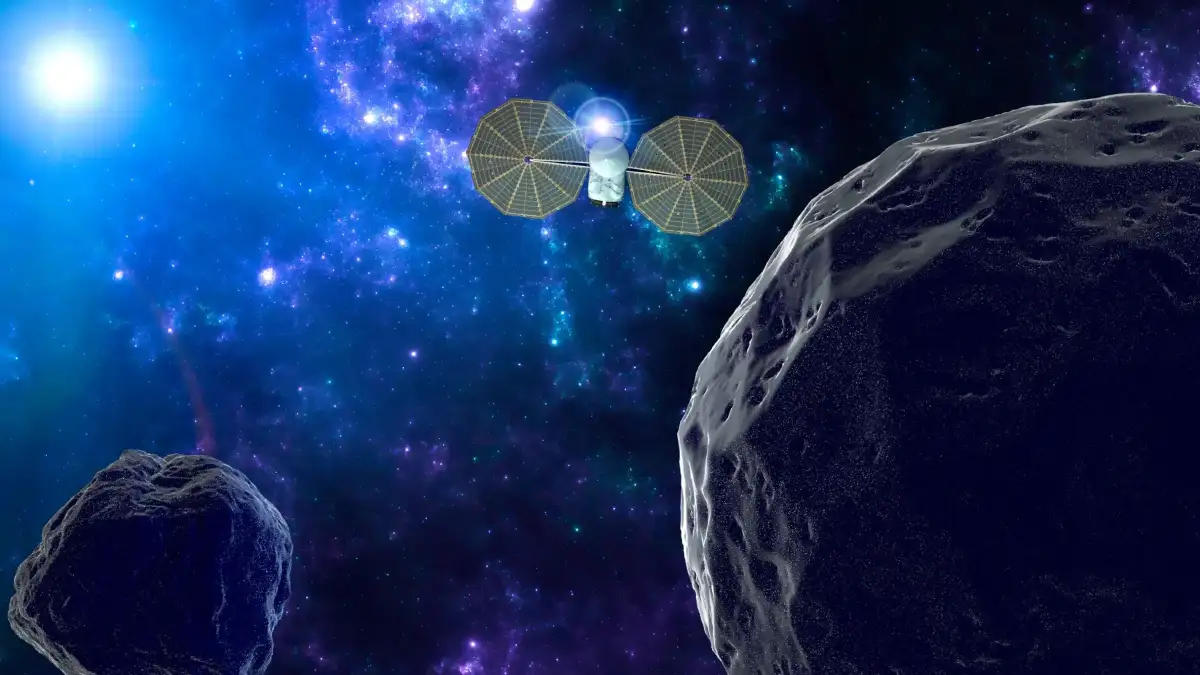
As of today, 04/07/2026, the Tianwen-2 spacecraft has arrived at the asteroid Kamoʻoalewa to begin an intense nine-month orbital mission. The probe, launched on May 28 via a Long March 3B rocket, intends to conduct the first-ever landing and sample return mission from a quasi-satellite. The primary objective is to collect at least 100 grams of material, which researchers anticipate will return to Earth by November.
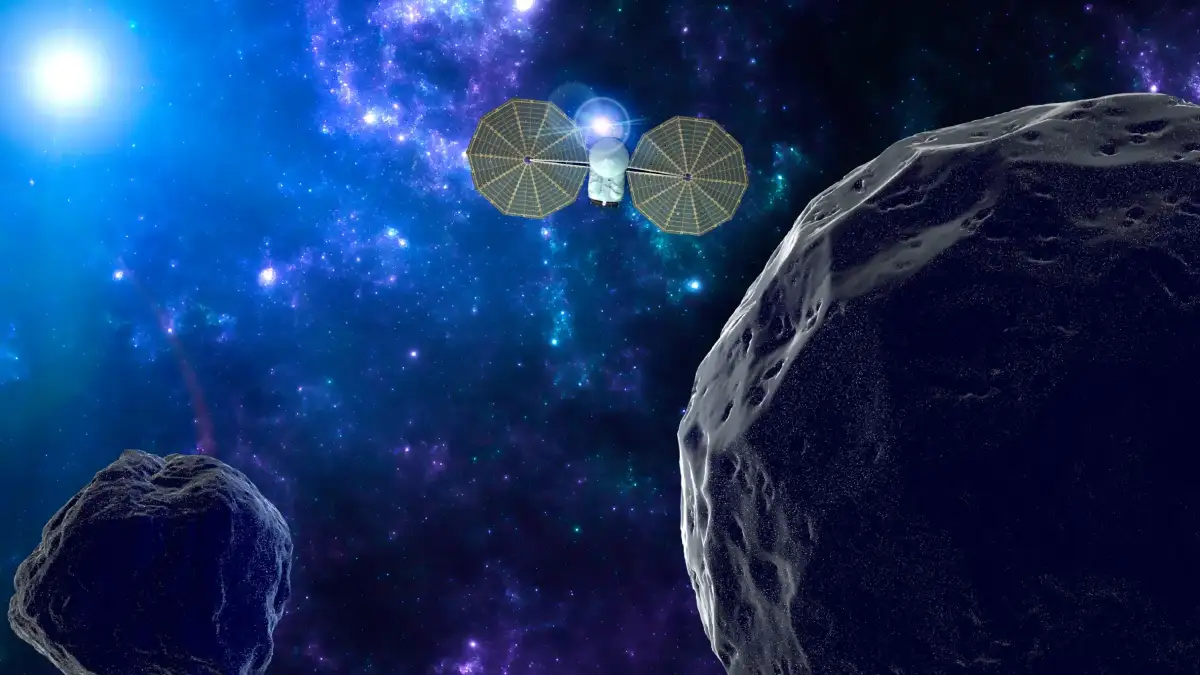
The mission aims to resolve a persistent scientific debate: whether Kamoʻoalewa is a primordial fragment ejected from the Moon or a distinct type of solar-orbiting asteroid with weathered surfaces.
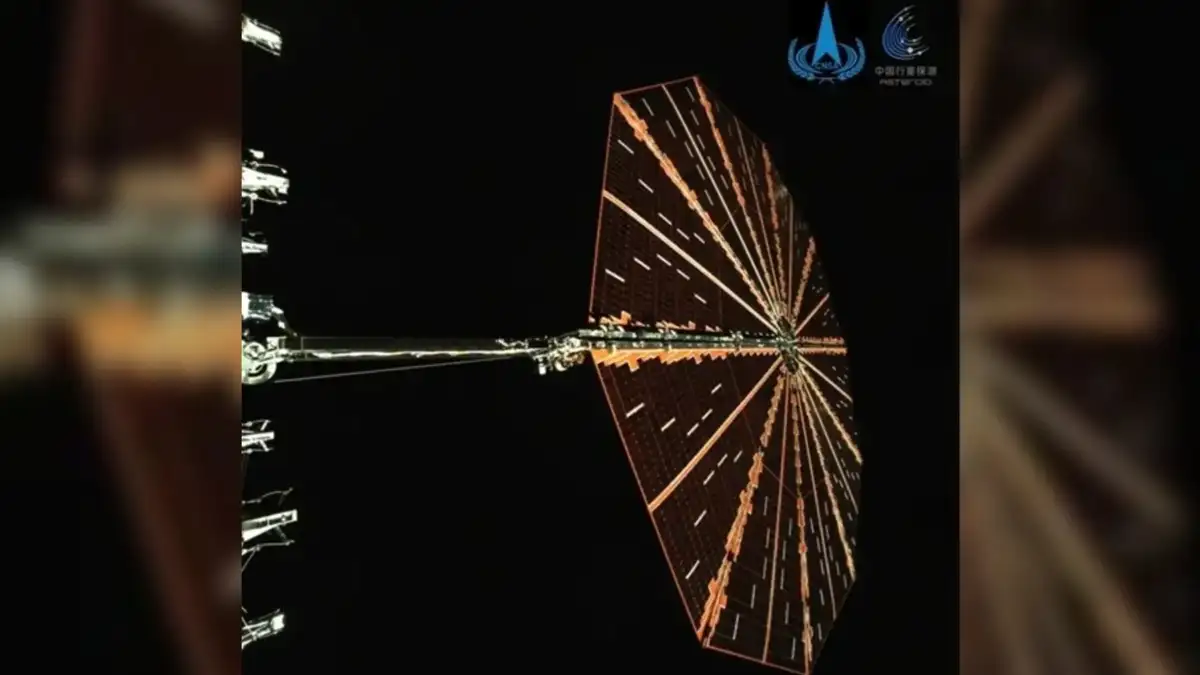
Technical Objectives and Landing Procedures
The mission architecture hinges on the physical composition of the target rock. Project protocols detail specific mechanical contingencies:
| Phase | Activity | Status |
|---|---|---|
| Arrival | Proximity operations at Kamoʻoalewa | Completed |
| Sampling | Surface extraction/drilling | Pending |
| Return | Payload recovery on Earth | Scheduled for Nov 2026 |
If the surface density allows, Tianwen-2 will perform a direct landing, using mechanical anchors to secure the craft for drilling.
The proximity phase is currently underway to assess if the asteroid’s spectral signatures match known lunar rock or if they resemble more heavily eroded meteoritic material like that of the asteroid Itokawa.
Theoretical Context: The 'Quasi-Satellite' Classification
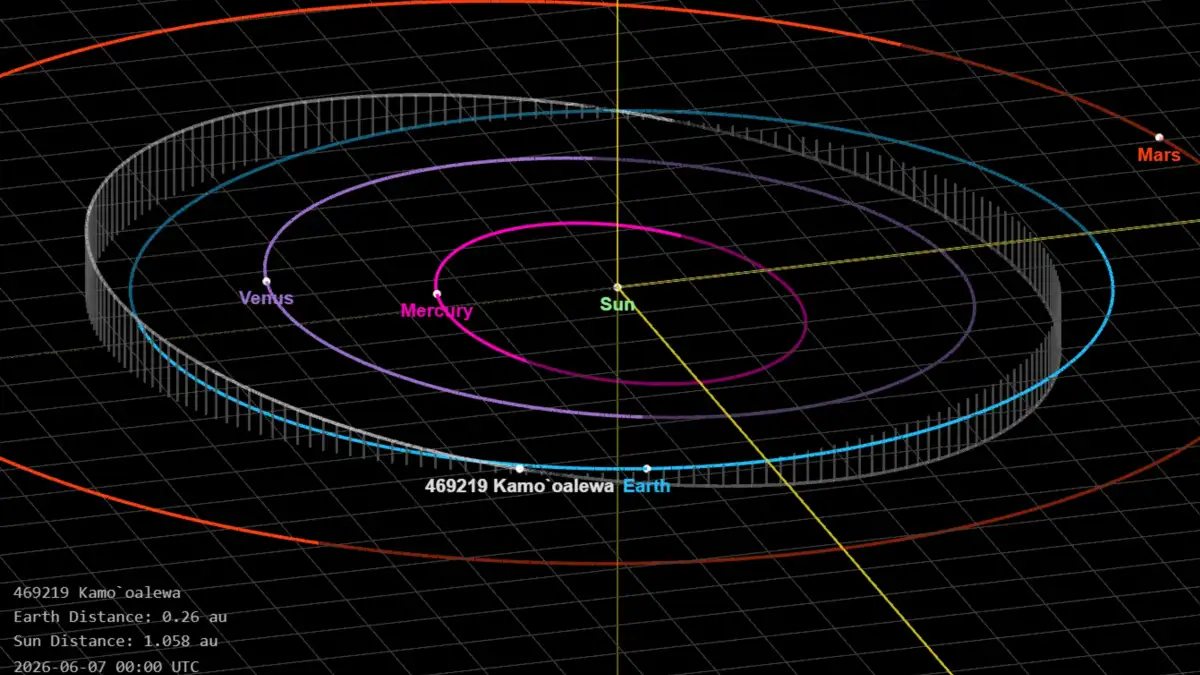
Kamoʻoalewa is not a natural satellite of Earth in the traditional sense; it is a 'quasi-satellite'. This celestial body orbits the Sun while maintaining a synchronized orbital dance with Earth.
Read More: Indigenous Data Rights Now Key in Conservation Genomics
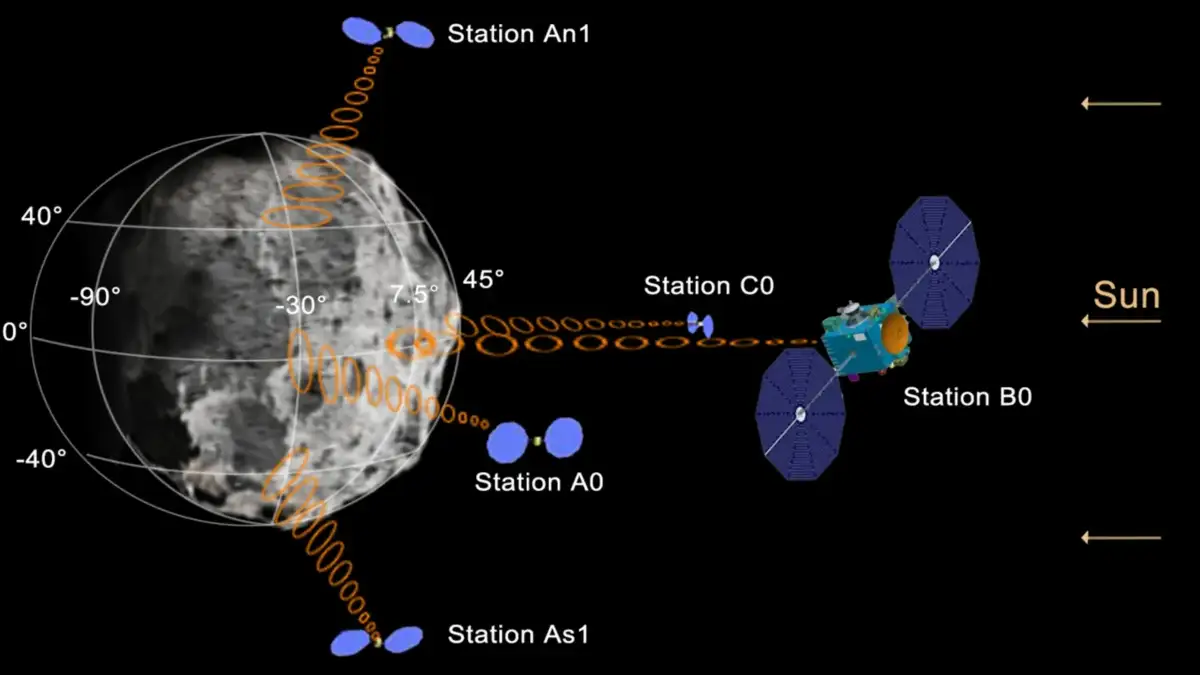
Previous spectral analysis has provided conflicting data. Earlier investigations noted that the asteroid's light reflectivity appeared remarkably similar to lunar basalt. However, recent scrutiny suggests that the extreme "weathering" observed in the asteroid’s light spectra could mimic lunar characteristics while originating from a non-lunar, high-exposure space environment. The arrival of Tianwen-2 moves the discourse from distant, light-based interpretation to physical laboratory verification.
The outcome of this mission carries significant weight for planetary formation theories, specifically regarding the frequency of material exchange between Earth's primary satellite and near-Earth objects.