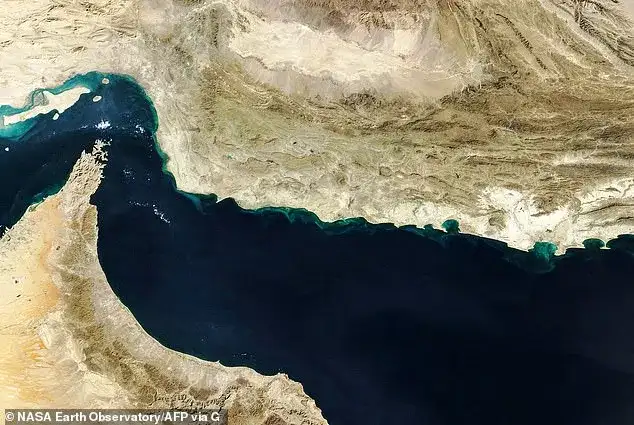
President Donald Trump has declared the Strait of Hormuz officially reopened for commercial transit, coinciding with a tenuous truce between Israel and Hezbollah. Despite this stabilization, the President used the occasion to issue a sharp rebuke to NATO allies, telling them to “stay away” from future maritime operations unless they intend to facilitate oil exports.

Iranian Foreign Minister Abbas Araghchi confirmed the waterway is “completely open” for commercial vessels for the duration of the current ceasefire.
Trump maintains that the U.S.-led blockade remains in a state of “full force” regarding its long-term objectives until a permanent peace deal is signed, signaling a persistent, if currently paused, strategy of containment.
Energy markets reacted with a retreat from the $100-per-barrel peak as traffic resumed, though economists warn that the geopolitical friction continues to fuel inflationary pressures and potential rate hikes from the Bank of England.
A Fracture in Collective Security
The recent standoff has exposed a deepening rift between Washington and its traditional security partners. Earlier this week, NATO member states explicitly rejected participation in the U.S. naval blockade of the Strait, describing the move as "nonsensical" and potentially damaging to the global supply chain.

"We pay trillions of dollars for NATO and they weren't there for us," Trump stated on social media, dismissing the alliance’s reluctance to align with his 'maximum pressure' campaign against Tehran.
The refusal of allies like the UK, France, and various treaty partners—such as the Philippines—to join the maritime restriction has led the White House to re-evaluate the utility of these coalitions. While Keir Starmer and other European leaders have attempted to push for a multinational plan to safeguard shipping, Trump’s dismissive rhetoric suggests a move toward an increasingly unilateral, transactional foreign policy.
Read More: AFP Reviews War Crime Claims Against Australian in Gaza

Strategic Volatility and Market Impact
The conflict, which intensified following the collapse of peace negotiations in Islamabad last weekend, has forced the global economy into a state of precarious navigation. The following factors remain the primary drivers of current regional volatility:
| Issue | Status | Impact |
|---|---|---|
| Hormuz Traffic | Resumed | Short-term easing of energy prices |
| Nuclear Talks | Stalled | Persistent threat of renewed conflict |
| NATO Ties | Frayed | Uncertainty regarding collective security |
Context: The Mechanics of the Impasse
The current crisis stems from a third round of open conflict between the U.S.-aligned coalition and Iran. Following the breakdown of high-stakes talks involving Vice President JD Vance, the U.S. implemented a naval blockade aimed at choking off Iranian oil revenues, which the President characterized as an attempt to end "extortion."
The situation remains fluid. While the current 10-day ceasefire provides a temporary window for trade, the absence of a comprehensive agreement regarding Iran's nuclear program means that the threat of a renewed, comprehensive blockade remains a central feature of the administration's leverage. As of 17/04/2026, the strategic reliance on the Strait of Hormuz remains the primary lever in a struggle that has left the transatlantic alliance profoundly divided.
Read More: US May Add Tariffs on Australian Goods Due to Forced Labour