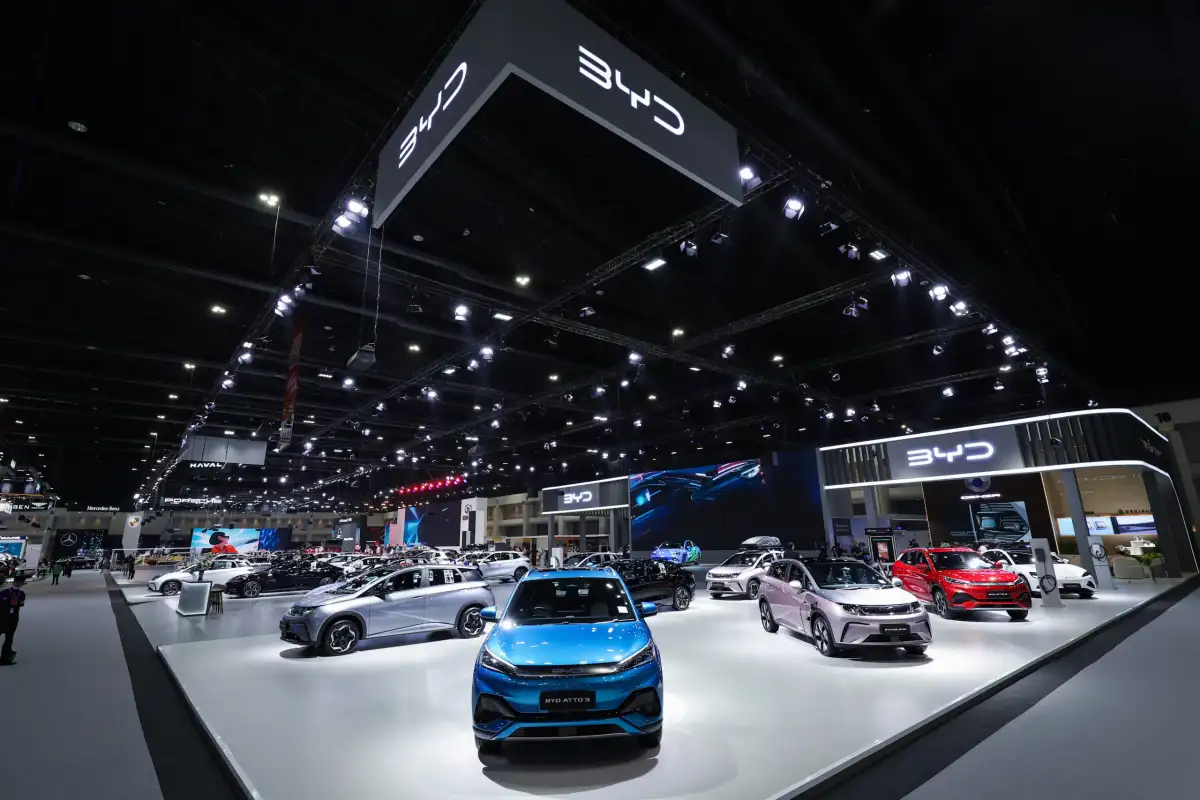
Shenzhen-based automaker BYD has applied to join the European Automobile Manufacturers' Association (ACEA), a move seen as a strategic play to navigate the increasingly complex trade landscape in Europe. The application, lodged approximately 14 hours ago, positions BYD to potentially become the first Chinese carmaker to hold membership in the Brussels-based lobbying group. This development comes as the European Union grapples with imposing higher tariffs on electric vehicles imported from China.
BYD's push for ACEA membership appears designed to influence EU policy and potentially mitigate the impact of impending tariffs, while simultaneously solidifying its local European presence.
BYD is actively establishing a significant manufacturing footprint within the continent. A plant is already under construction in Hungary, slated to commence mass production this quarter. This Hungarian facility represents BYD's first major production hub in the region. Furthermore, the company has existing sites in Hungary and Turkey, signaling a clear intention to bypass high import duties and embed itself within the European market. Beyond manufacturing, BYD intends to nearly double its sales outlets across Europe, projecting 1,000 by the end of 2025 and aiming for 2,000 by the end of 2026.
Read More: Tesla Model Y L 6-Seater US Launch Date and Price Details
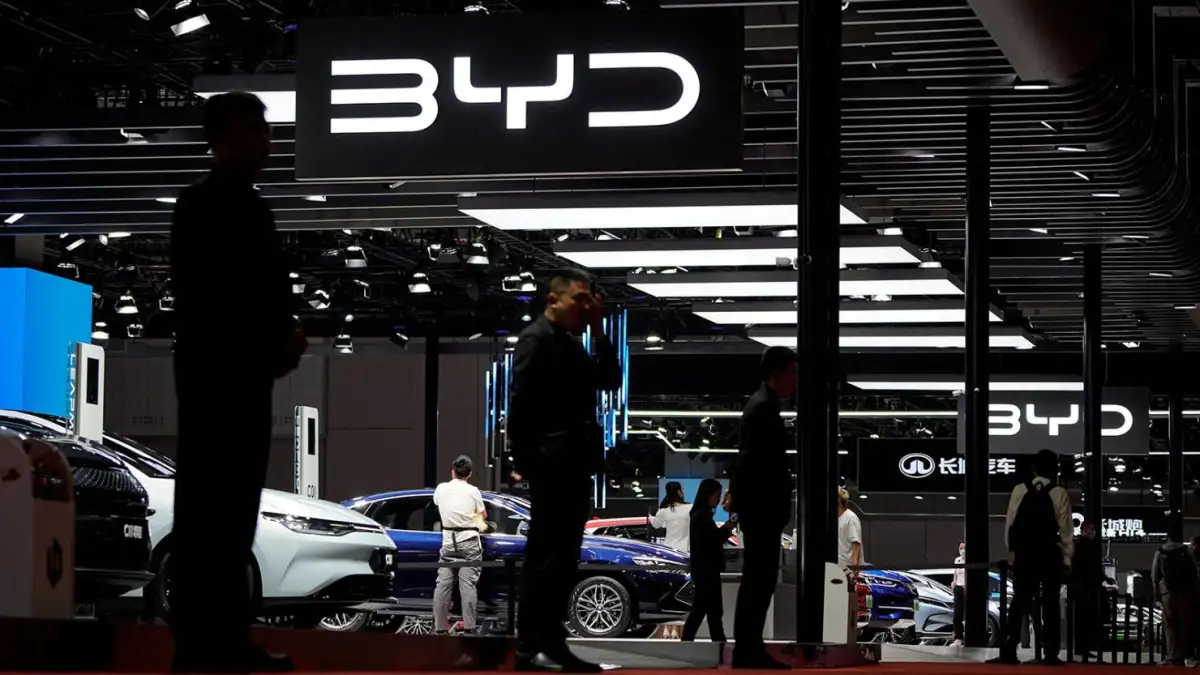
Escalating European Ambitions Amidst Market Shifts
The automotive landscape in Europe is proving increasingly challenging for Chinese electric vehicle (EV) manufacturers. The EU's recent tariff increases on Chinese EVs are significantly altering market dynamics. Despite these headwinds, BYD's commitment to its European expansion remains steadfast, driven by competitive pricing and innovations in EV technology. The company's overall strategy involves a calculated response to domestic market saturation and a broader global competition, with Europe identified as a key strategic frontier for long-term growth.
BYD's sales in Europe saw a substantial threefold increase, reaching 84,400 units in the first eight months of 2025. This surge underscores the company's growing market penetration and its ambition to significantly scale up volumes in the region.
Read More: US May Add Tariffs on Australian Goods Due to Forced Labour
Background: A Global EV Battleground
The global electric vehicle industry has transformed into a complex arena defined by scale, efficiency, and geopolitical strategy. BYD, already the world's largest battery electric vehicle (BEV) manufacturer, is a central player in this evolution. The company's financial valuations reflect high expectations for its international expansion efforts. This strategic global push is a response to a saturated domestic market and intensifying worldwide competition.