Canadian automakers are absorbing significant financial pressure due to U.S. President Donald Trump's tariffs on key exports. This reality has led to a critical decision: the delay of a mandatory electric vehicle sales target, initially set for 2026 by former Prime Minister Justin Trudeau, requiring 20% zero-emission vehicle sales. The auto sector, a cornerstone of Canada's economy—representing the nation's second-largest export and directly employing 125,000 Canadians, with nearly 500,000 more in related fields—finds itself grappling with these added costs. This move, lobbied for by groups like the Canadian Vehicle Manufacturers' Association, aims to alleviate immediate burdens on an industry already facing considerable headwinds.
Carney's Tariff Tussle
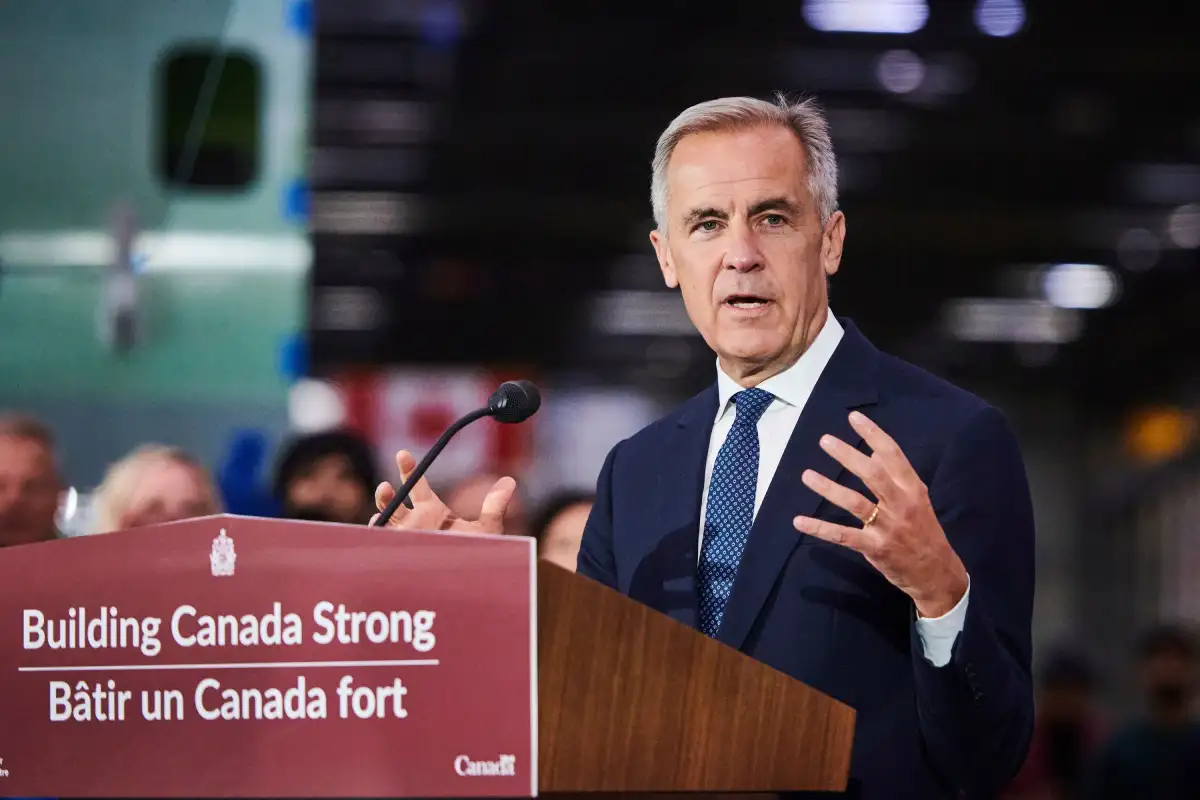
Prime Minister Mark Carney faces a multifaceted challenge in responding to Trump's trade actions. Trump's tariffs on vehicles, steel, and aluminum, described by Carney as a “direct attack” on Canada, are seen by some as a tactic to influence negotiations surrounding the USMCA (United States-Mexico-Canada Agreement). The imposition of these tariffs, which have been enacted and then temporarily rescinded, has drawn criticism for potentially harming American auto workers as much as their Canadian counterparts. Carney has indicated that counter-tariffs on U.S.-manufactured goods remain an option, a move that could escalate the trade dispute further.
Read More: Tesla Model Y L 6-Seater US Launch Date and Price Details
Behind the Economic Jolt
The economic stakes are considerable. Autos constitute a substantial portion of Canada's export market, making the industry particularly vulnerable to trade disruptions. Trump's administration has reportedly used tariffs as leverage, aiming to reshape trade dynamics under the USMCA. Carney's engagement with Washington D.C. signals an effort to seek exemptions and mitigate the financial impact on Canadian incomes, a move intended to address the growing concerns within the industry and the broader economy. The uncertainty surrounding future tariff actions and their impact on manufacturing continues to be a focal point for policymakers and industry leaders alike.
Read More: US May Add Tariffs on Australian Goods Due to Forced Labour