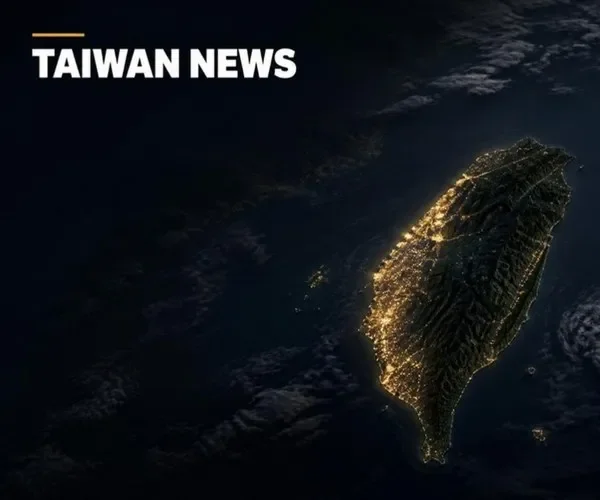
Beijing Denounces Naval Passage as 'Provocation'
The passage of a Japanese warship through the Taiwan Strait has drawn sharp criticism from Beijing, with China labeling the move a "provocation." The vessel, identified as the JS Akizuki, a Japanese destroyer, navigated the strait in early February following joint naval drills in the South China Sea with the United States, Australia, and the Philippines. This incident marks a significant point of tension in the region, underscoring the delicate balance between economic interdependence and security disputes involving China and its neighbors.
Regional Ruckus Over Sea Lanes
The JS Akizuki's transit through the Taiwan Strait, a waterway considered crucial for global trade and a flashpoint in cross-strait relations, has amplified existing concerns over maritime security. While Japan has largely declined official comment, citing operational discretion, reports suggest the ship was en route to military exercises in the South China Sea. This maneuver occurs amidst broader strategic realignments, including reported joint operational planning between the U.S. and Japan concerning a potential Taiwan contingency. The incident also follows similar transits by warships from allied nations, including Canada and Australia, which China has also condemned, labeling them challenges to its territorial claims.
Read More: AFP Reviews War Crime Claims Against Australian in Gaza
International Waters vs. Strategic Play
Taiwan, which rejects Beijing's sovereignty claims, asserts the strait's status as an international waterway. This perspective is echoed by countries like Canada, which has characterized similar naval passages as routine exercises upholding the 'freedom of navigation' principle in the Indo-Pacific. However, China's increasingly assertive military posture, evidenced by near-daily incursions across the strait's median line and large-scale exercises, has created a cycle of escalating military pressure. The international community, including the United States and its allies, has responded with regular naval transits, a clear signal that the Taiwan Strait is not to be unilaterally controlled. The broader context includes expanded maritime security cooperation among the 'Quad' nations—Japan, Australia, India, and the U.S.—aimed at countering China's growing influence in the South China Sea.
Economic Intertwining Amidst Disquiet
Despite the escalating security rhetoric, the economic ties between China and Japan remain substantial. China stands as Japan's largest trading partner, while Japan provides significant technological investment and capital to the Chinese economy. This deep economic connection creates a complex backdrop, forcing a continuous negotiation between economic interests and unresolved security disputes, a dynamic that continues to shape the nuanced relationship between the two Asian powers.
Read More: Tibetan Permafrost Thaw Releases Ancient Carbon, Risks Climate Tipping Point