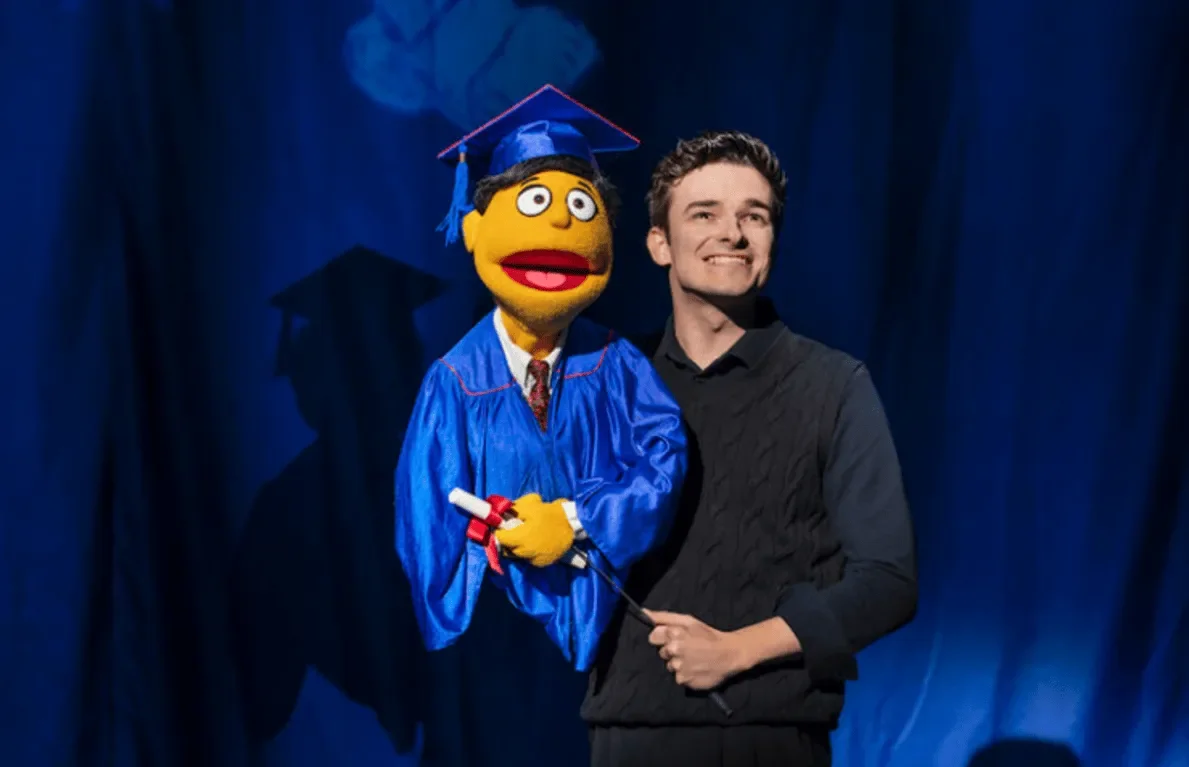
The musical Avenue Q, a fixture of musical theatre known for its irreverent humor and puppetry, is currently playing at the Shaftesbury Theatre in London, sparking varied reactions among critics more than two decades after its initial debut. While some reviewers laud its enduring, if "puerile," puppetry and the continued resonance of its lyrical themes about connection and disappointment, others question its relevance, labeling it a "Gen-X time capsule" that struggles to land with contemporary audiences.

The show, which famously features songs like "Everyone's A Little Bit Racist" and "The Internet's For Porn," continues to draw attention for its deliberately provocative content. Critics note that the inherent "human beings… are absolutely capable of laughing at themselves and society's ridiculousness," suggesting a core truth that transcends its original context. The musical's earworm tunes are described as retaining their "sparkle and freshness," blending theatrical pop with the comforting cadence of children's television.
Read More: Sayeeda Ali painting workshop in Visakhapatnam on July 4 2026
However, the passage of time has cast a different light on Avenue Q's once-audacious material. Some commentators observe that sensibilities have shifted over the past 20 years, leading to concerns that certain elements, such as the character of Christmas Eve or Lucy the Slut, now feel "obnoxious and old-fashioned" despite attempts to "soften the egregious offensiveness." This revival has prompted debate about whether the show's humor, rooted in a specific era of transgression that spawned shows like Family Guy and South Park, still holds the same subversive power.

A Mismatched Resonance
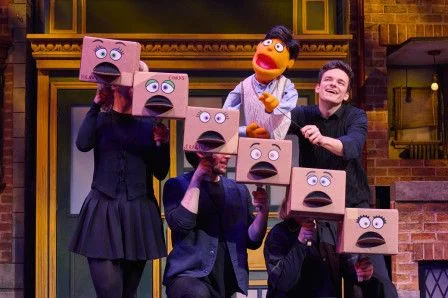
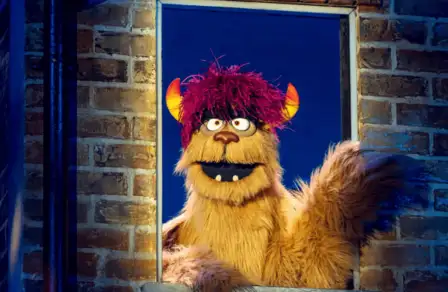
Reviewers grapple with the show's reception in 2026. While some find the "deliciously louche humour with smart lyrics" still charming and well-executed, others feel it "no longer feels audacious." The return of the musical prompts the question of its current purpose, with some suggesting that its appeal is primarily to those who remember its initial impact, while newcomers might find the "crudeness" surprising. The production itself is often praised, with mentions of superb set design and effective puppetry, including endearing elements like "cute singing boxes" and a "delightfully random puppet cyclist."
Read More: Woman's face went numb: Stroke symptoms missed as migraine in London
The Core Conflict: Humor and Time
The central tension lies in the show's satirical edge. Avenue Q emerged from a cultural moment where "ironic wit" and transgression were highly valued, a period that saw shows like The Simpsons gain prominence. The musical's success, even winning a Tony Award over larger productions, cemented its status as a "contrarian favourite." Yet, this revival is scrutinized like an "old Nineties TV show hastily upscaled to high definition," revealing "wrinkles and rebarbative crevices." The underlying narrative, which follows an optimistic college graduate seeking purpose, love, and community on a budget, presents universal themes of longing and disappointment.
Background and Context
Avenue Q, with music and lyrics by Robert Lopez and Jeff Marx, and book by Jeff Whitty, first premiered in 2003. It gained significant acclaim for its unique blend of adult humor, social commentary, and Muppet-style puppetry, exploring themes of growing up, finding one's place in the world, and confronting societal prejudices. The musical's original run in the West End was successful, and its return to London's Shaftesbury Theatre aims to recapture that magic, though the critical landscape suggests a more complex reception this time around. The show is slated to run until August 29th.
Read More: Actress Philippa Dunne Faces Audience 'Disgusting' Review