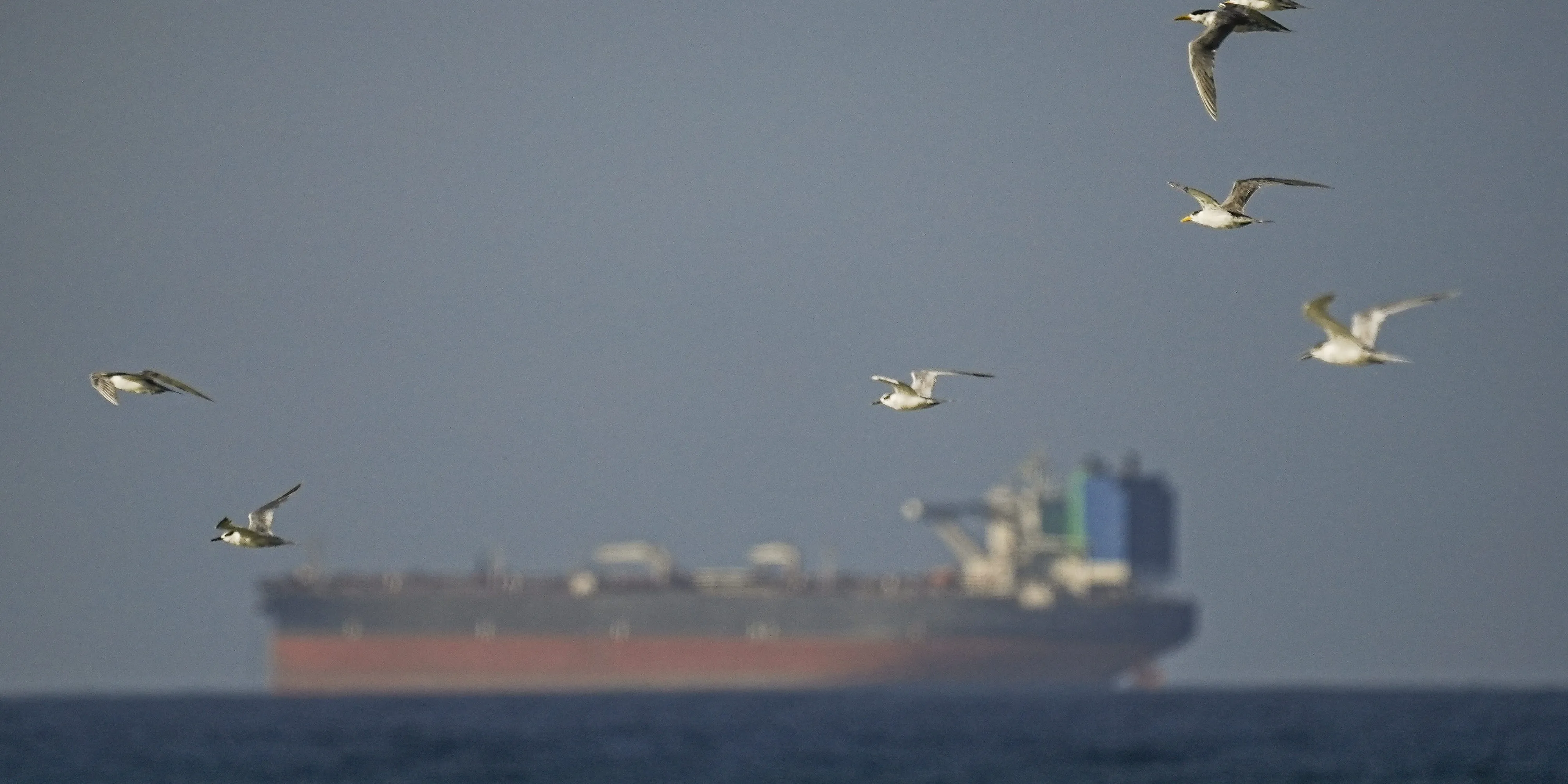
London/Riyadh – April 8, 2026 – British Prime Minister Keir Starmer stated today that considerable effort remains to solidify a nascent ceasefire between the United States and Iran, a development he is currently addressing with regional leaders in the Persian Gulf. The two-week truce, brokered shortly before a US-imposed deadline, hinges critically on the reopening of the Strait of Hormuz to global shipping, a vital artery that Iran’s actions had effectively choked off, triggering a sharp ascent in global fossil fuel prices.
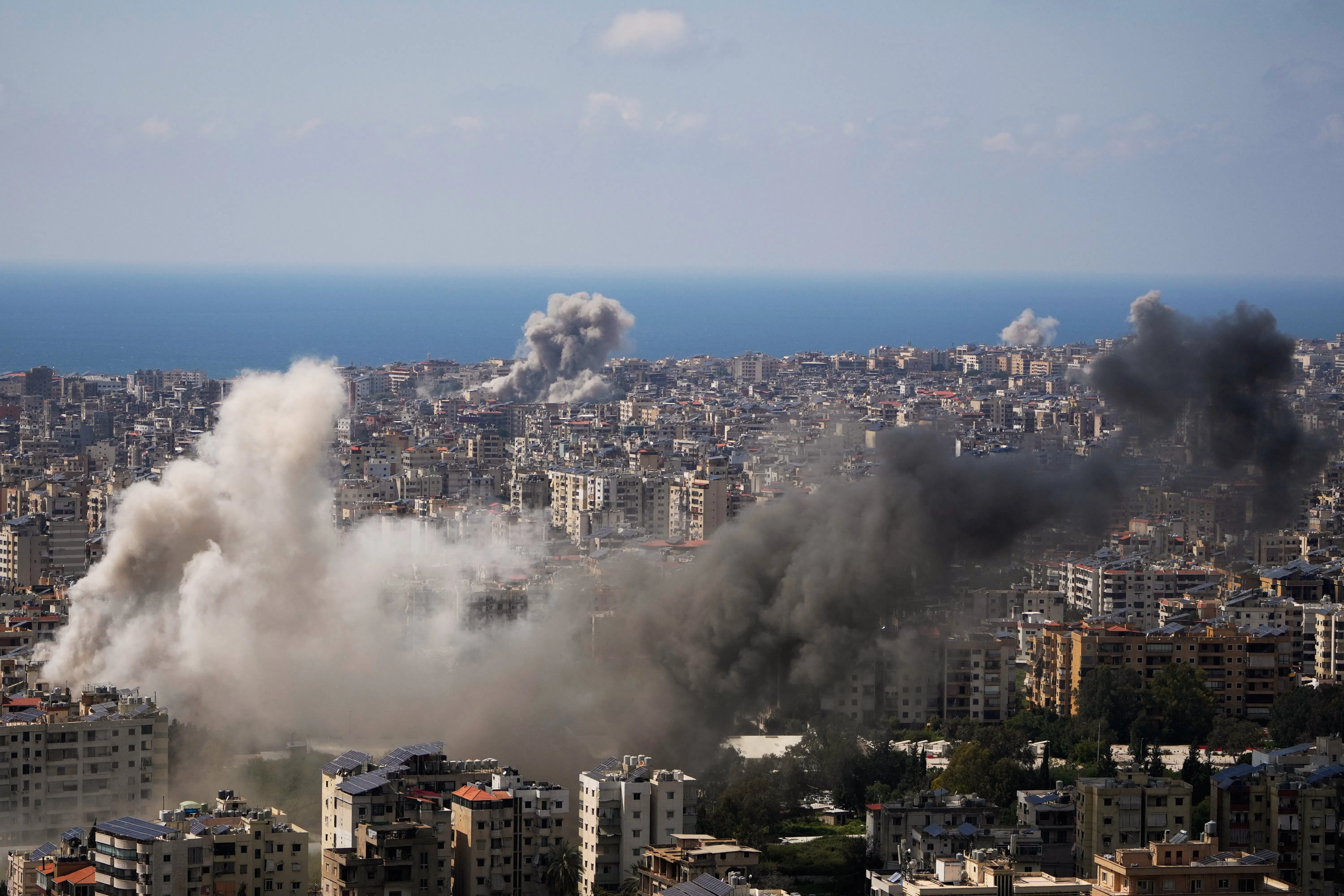
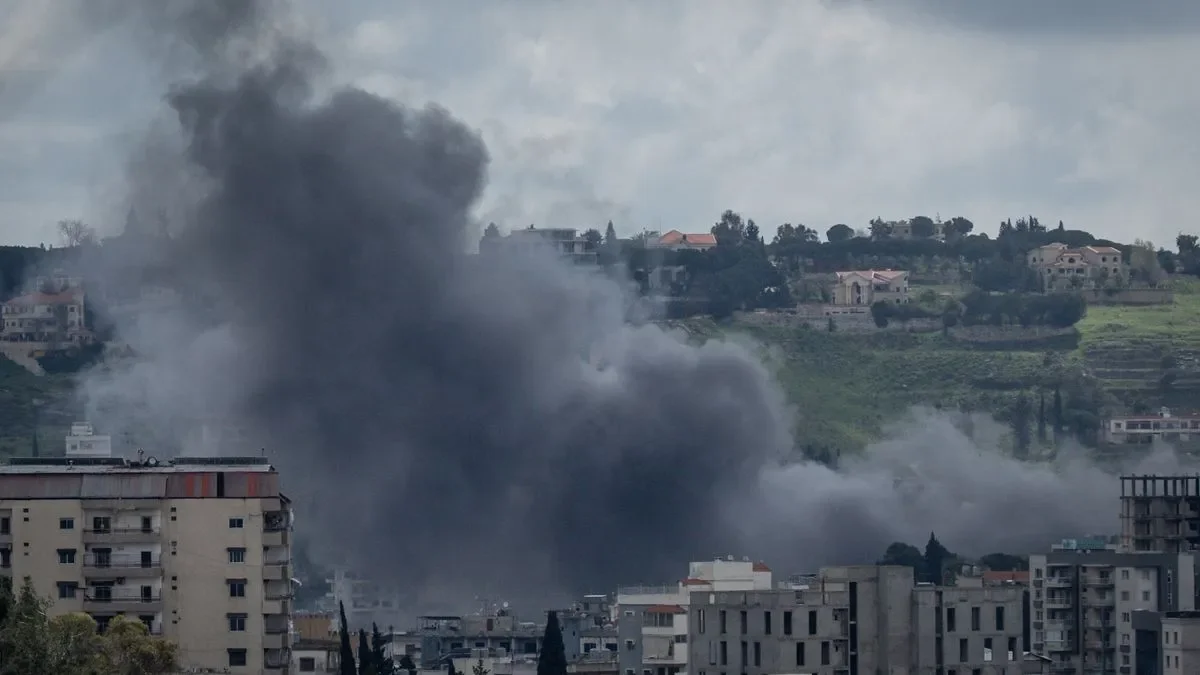
The core of the current instability lies in Iran's closure of the Strait of Hormuz, a move seen as a direct response to Israeli strikes against Hezbollah in Lebanon. This action has not only disrupted energy markets but also created a deep fissure regarding the scope of the ceasefire itself, with conflicting accounts on whether Lebanon is encompassed within the agreement.
Read More: Hormuz Strait Shipping Slows Despite Ceasefire, Iran Demands Approval

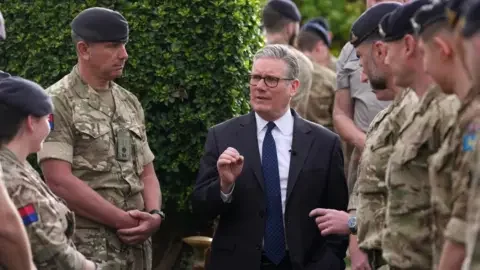
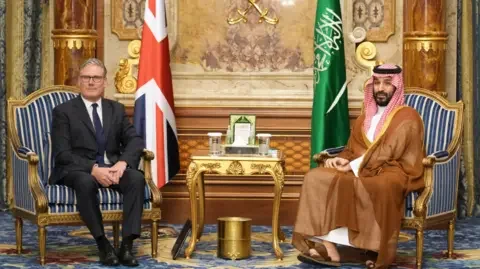
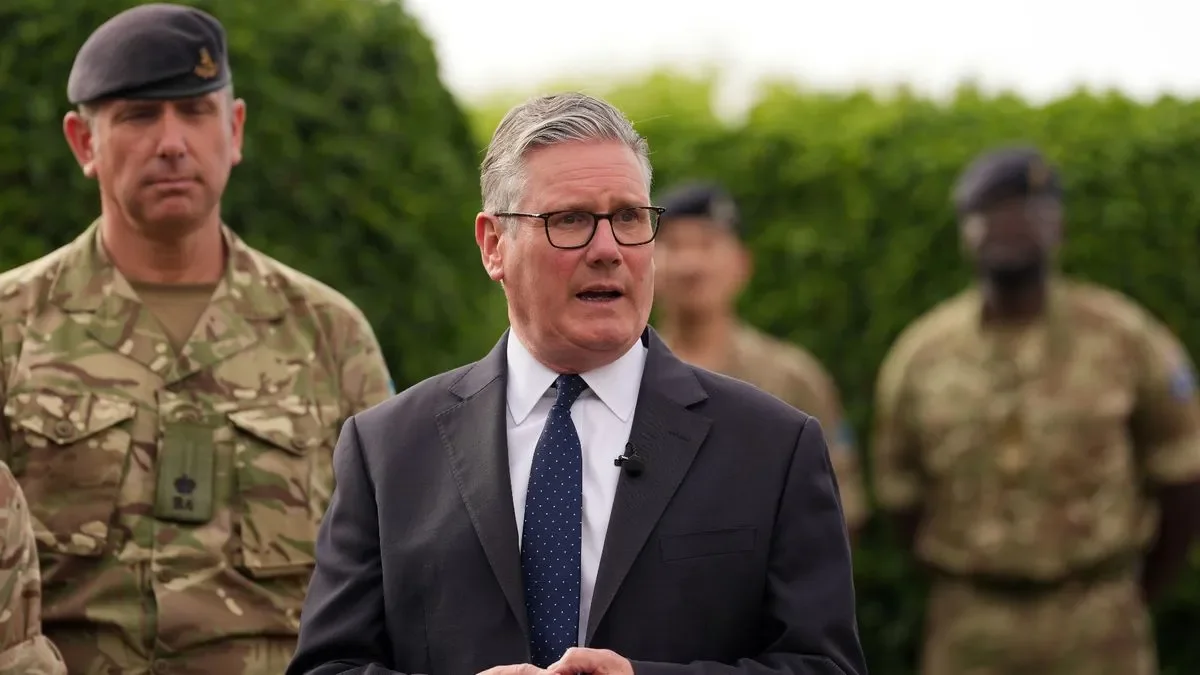
Starmer, currently on a pre-planned visit to Saudi Arabia, emphasized that while a ceasefire has been achieved, its permanence and the subsequent restoration of trade through the Strait are far from assured. He articulated the UK's position, stating it is "our job to make sure that the Strait is open, that we’re able to get the energy that the world needs out and stabilise the prices back in the United Kingdom." This suggests a proactive role for the UK in diplomatic and potentially practical efforts to ensure the waterway's accessibility.
Diplomatic Dance and Economic Echoes
The fragile peace comes after a period of intense brinkmanship. US President Donald Trump had threatened severe retaliation, including targeting Iranian infrastructure, should a deal not be struck to reopen the Strait. The agreement, announced just under two hours before Trump’s deadline expired, offers a temporary reprieve but is overshadowed by ongoing tensions.
Read More: Lebanon Strikes Cause Iran to Close Strait of Hormuz, Oil Prices Jump 5%
Starmer's trip, which began with meetings in Saudi Arabia, is part of a broader diplomatic push to engage with Gulf allies and seek a more enduring resolution to the conflict. His agenda reportedly includes discussions on practical steps to restore confidence in shipping through the Strait, addressing issues such as Iranian mines, and ensuring insurance availability for tankers. This diplomatic engagement underscores the interconnectedness of regional security with global economic stability, particularly concerning energy prices that have directly impacted UK motorists.
Lebanon a Flashpoint
A significant point of contention remains the conflict in Lebanon. While Iran and Pakistan, acting as intermediaries, claim the ceasefire extends to Lebanon where Israel has engaged with the Iranian proxy Hezbollah, Israel has explicitly stated the truce does not cover that front. This discrepancy, coupled with reports of Iran threatening to withdraw from the ceasefire if Israeli attacks on Hezbollah persist, highlights the precariousness of the current pause. Starmer himself had previously joined global calls for Israel to end its assault on Lebanon, indicating a UK stance that diverges from unfettered US-backed action.
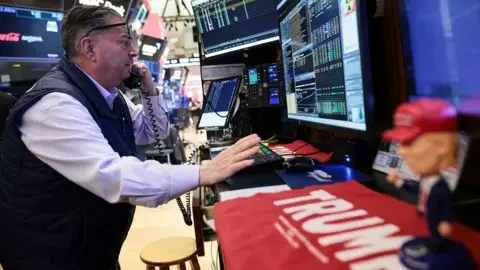
Read More: US-Iran Ceasefire Announced, Oil Prices Drop, Markets Rise
Background Noise
The geopolitical maneuverings occur against a backdrop of strained UK-US relations. Reports suggest Starmer's reluctance to grant the US unrestricted use of British bases for raids against Iran has previously created friction with Trump. The current situation is framed by some as a potential US military "victory," though Starmer's cautious optimism and emphasis on ongoing work suggest a more nuanced view of the immediate outcome. His meetings are not just about averting an energy crisis; they are also framed as part of broader efforts to foster stability, drawing parallels to diplomatic initiatives concerning Ukraine.