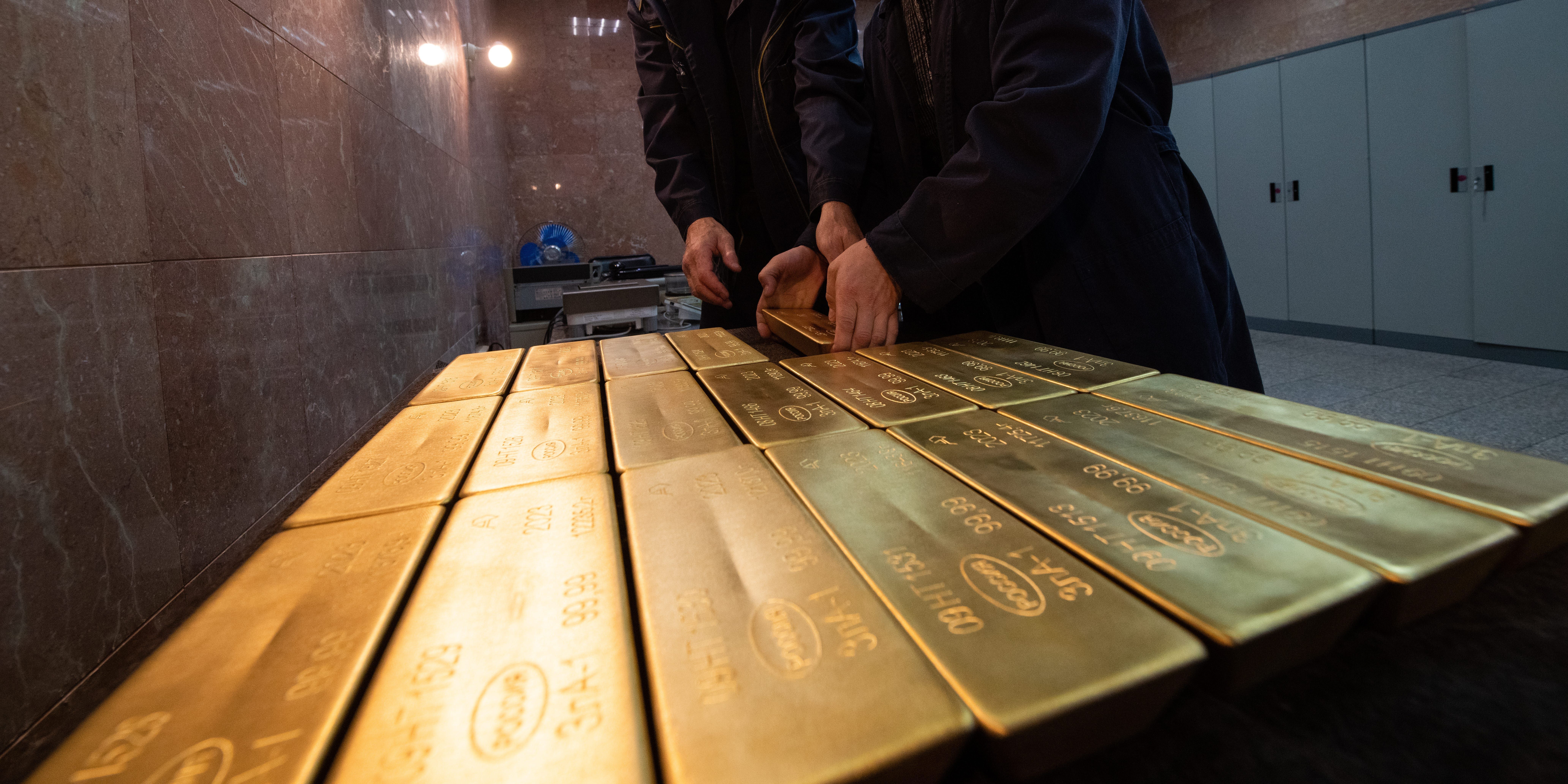
Indian equity benchmarks, the Sensex and Nifty 50, experienced a dip on Thursday, April 9, 2026, with investor sentiment appearing fractured. The Sensex shed 931 points, falling below the 23,800 mark on the Nifty 50. This downturn is largely attributed to waning confidence in a sustained ceasefire between the US and Iran, a development that previously offered a brief respite. The volatility reflects a broader global unease, as Asian markets also registered declines. Gold prices remained in a holding pattern, with traders awaiting clearer signals from ongoing diplomatic efforts.

The market's downward movement on April 9th was directly linked to renewed doubts surrounding the US-Iran ceasefire, impacting global sentiment and causing Indian indices to slide. This mirrors previous instances where geopolitical anxieties, specifically involving India and Pakistan tensions, have precipitated significant market drops, with the Sensex experiencing declines of over 800-1000 points on past occasions, leading to substantial erosion of market capitalization, estimated at Rs 6 lakh crore in one instance on March 11, 2026.
Read More: Dave Ramsey's Airbnb Advice Challenged by Entrepreneur Tran
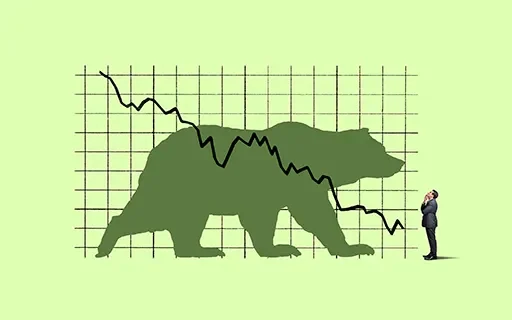
Investors appear to be navigating a delicate balance, weighing potential economic recovery and earnings growth against the persistent threat of geopolitically driven energy price shocks.
Reports indicate that while some sectors, such as metals and power, have seen buying interest, others like banking and realty have experienced selling pressure.
The broader market also showed weakness, with indices like Nifty Bank declining significantly on March 6, 2026.
Background:
The current market fluctuations are not an isolated event. On April 9, 2026, the market's dip followed a prior surge fueled by initial ceasefire news, which had temporarily driven down oil prices. This underscores the market's sensitivity to energy market dynamics and geopolitical developments. Similar patterns were observed on May 9, 2025, when rising Indo-Pak tensions caused the Sensex to fall by 880 points and the Nifty to hover near 24,000. On March 6, 2026, escalating tensions in the Iran war and fears of a wider conflict in the Gulf region led to a 1,000-point drop in the Sensex, with the Nifty falling below 24,500.
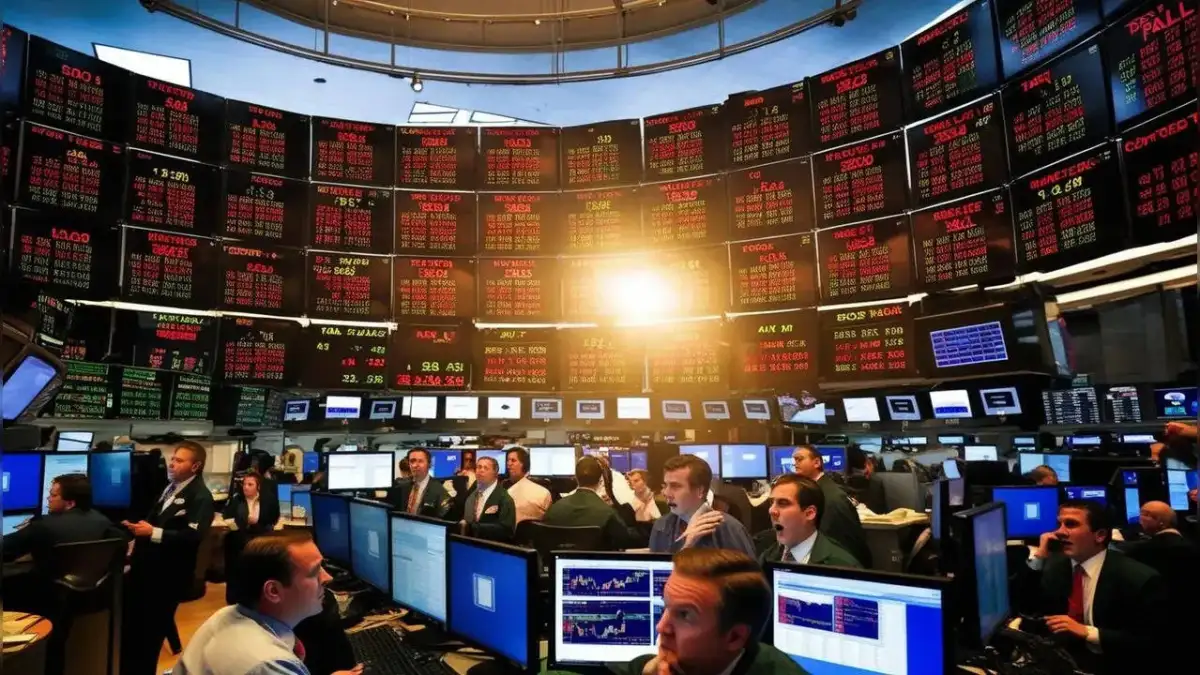
Historically, these periods of uncertainty have seen varied responses from investors. While some advice caution against panic selling, others have noted foreign investor outflows, particularly from sectors like IT, contributing to market downturns. The NSE (National Stock Exchange of India Ltd) provides extensive data on market performance, including 52-week highs and lows, circuit movements, and market capitalization, serving as a resource for understanding these dynamics.
Read More: Vilen's India Tour Dates Unclear, Chandigarh Show Listed