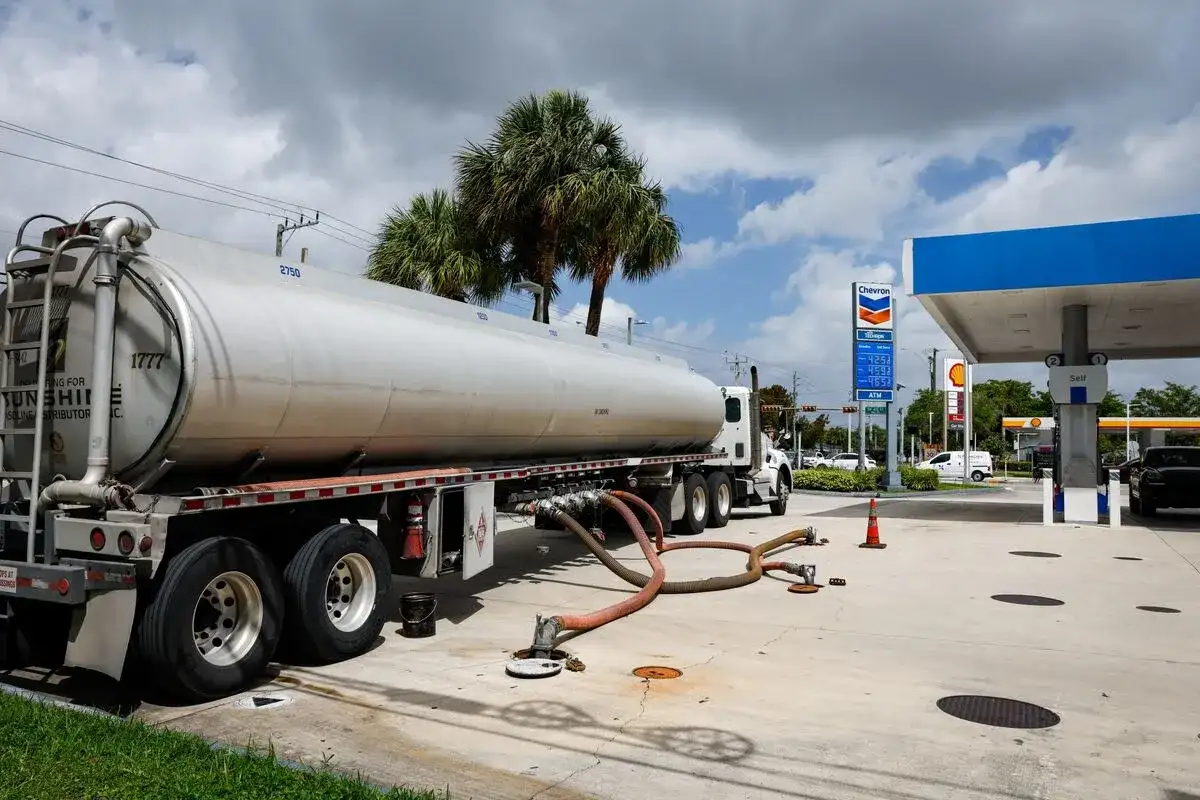
Despite the verified two-week ceasefire in the Strait of Hormuz region, British households face sustained inflation in fuel and grocery sectors. As of 09/04/2026, market volatility persists; while global crude oil spot prices initially reacted to geopolitical cooling, consumer-facing costs in the United Kingdom remain detached from immediate supply-side improvements.

Economic Inertia vs. Market Sentiment
The lag between global commodity price shifts and retail pricing is structural rather than purely reactionary. Markets operate on speculative anticipation, where the perceived risk of future supply disruption maintains high price floors regardless of temporary peace agreements.

Wholesale Lag: Wholesale energy costs require sustained suppression over multiple weeks before filtering down to pump prices.
Independent Retailers: Smaller fuel outlets buying oil at daily market rates experience volatility differently than major retailers who hedge inventory costs in advance.
Consumer Shielding: While the Ofgem price cap protects households from immediate wholesale energy spikes, the broader inflationary pressure remains baked into logistics and distribution chains.
| Factor | Influence on Price | Duration |
|---|---|---|
| Geopolitical Risk | High (Anticipatory) | Months |
| Wholesale Gas | Medium | Variable |
| Retail Hedging | Low | Delayed |
The Mechanics of 'Price Stickiness'
The expectation of a "return to normalcy" ignores the institutional habit of markets. When investors interpret a ceasefire as fragile or temporary, they keep risk premiums attached to oil futures. This hedging behavior acts as a persistent tax on Inflation, ensuring that the retail price of petrol and diesel does not mirror the sudden drops seen in volatile trading sessions.
Read More: Strait of Hormuz Closure for 1 Month Causes Global Energy Price Rises

Contextual Underpinnings
This situation emerges from the 2026 Iran war fuel crisis, an event that rewired global supply expectations. Even as the immediate kinetic conflict subsides into a ceasefire, the psychological and infrastructural scars—namely the disruption of shipping lanes and the reallocation of global energy capital—remain the dominant Economic Drivers.

The Ceasefire is not a reset button. It is a period of observed uncertainty. Until market actors regain confidence in the durability of supply chains, the cost of transit and production will continue to reflect a world operating under the shadow of the conflict rather than the calm of its conclusion.