Global oil prices experienced a sharp decline and stock markets surged on Wednesday following a conditional two-week ceasefire agreement between the United States and Iran. The deal, which also involves the reopening of the critical Strait of Hormuz waterway, was announced by US President Donald Trump, averting threatened attacks on Iran.
Peace negotiations between Tehran and Washington are slated to commence in Islamabad this Friday. Iran's national security council has confirmed its acceptance of the two-week ceasefire, contingent upon a halt to attacks directed at the nation.
Despite the significant drop, oil prices remain notably elevated compared to their pre-conflict levels, when Brent crude was priced around 70 dollars a barrel. The recent volatility has spanned approximately six weeks since the conflict's inception.

Ceasefire Details and Market Reaction
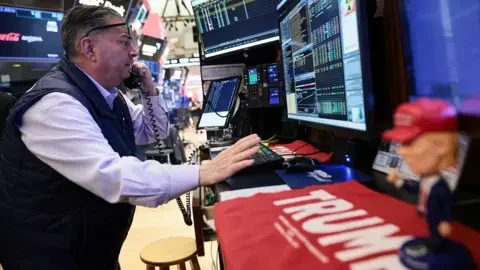
The conditional ceasefire agreement, reached just before a self-imposed deadline by President Trump, has been met with investor optimism. Traders and investors responded positively on Wednesday morning, marking a rebound for financial markets that have endured a tumultuous period.
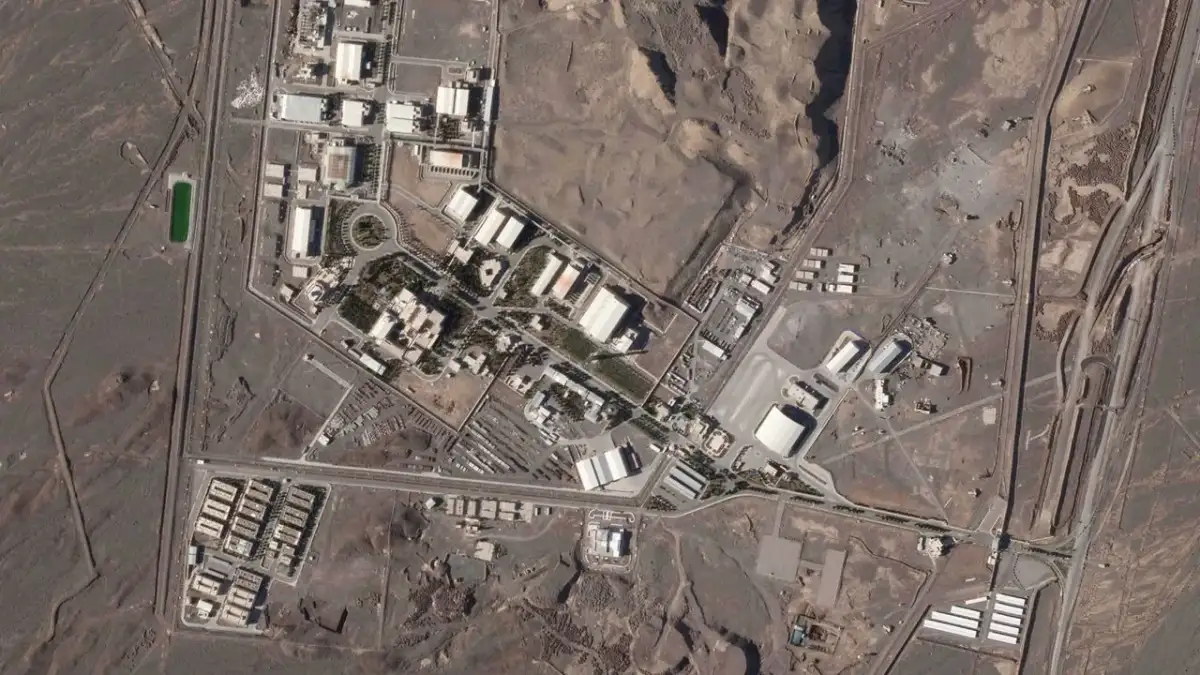
Read More: Iran Zagros Mountain Nuclear Site Construction Update April 2026
The reopening of the Strait of Hormuz, a vital chokepoint for global energy transport, is a key component of the truce. However, uncertainty lingers regarding the full resumption of energy production in the Middle East. Experts suggest that a complete restart is unlikely until confidence in a lasting peace deal is established.
Governments and companies within the energy-rich region have, in recent weeks, implemented measures to address elevated energy prices and potential fuel shortages.
Background to the Conflict
The conflict escalated following US-Israeli strikes, prompting Iran to target energy and industrial infrastructure in the region. This retaliatory action contributed to the subsequent market instability and heightened energy costs. The truce signals a de-escalation, with potential implications for regional stability and global energy markets. The bond market also saw Treasury yields ease following the news of the potential ceasefire.
Read More: Why AI Market Growth Is Slowing Down As Of April 2026