Unpreparedness Revealed Amidst Ecological Crisis
A significant federal inquiry has delivered a strong rebuke to both state and federal governments regarding their response to a major harmful algal bloom in South Australia. The 207-page report, released by a key federal senate committee, unanimously found that authorities were ill-prepared for the ecological event. Investigators noted shortcomings in monitoring, a delayed response, and a lack of timely, clear health advice for the public.
Timeline of Events and Key Players
The algal bloom, identified as a large-scale, naturally occurring event in Australian waters, began to draw significant attention in early 2025. Marine scientists reportedly attempted to warn the federal government about the impacts of ocean warming, writing to the Environment Minister's predecessor almost two years before the issue became a widespread political concern.
By July 2025, political leaders were already accused of "passing the buck," with the federal environment minister characterizing it as primarily a state issue, while the state government was urged to request federal assistance.
Read More: Assam Forest Guards Not Used for Elections After NGT Order on April 2
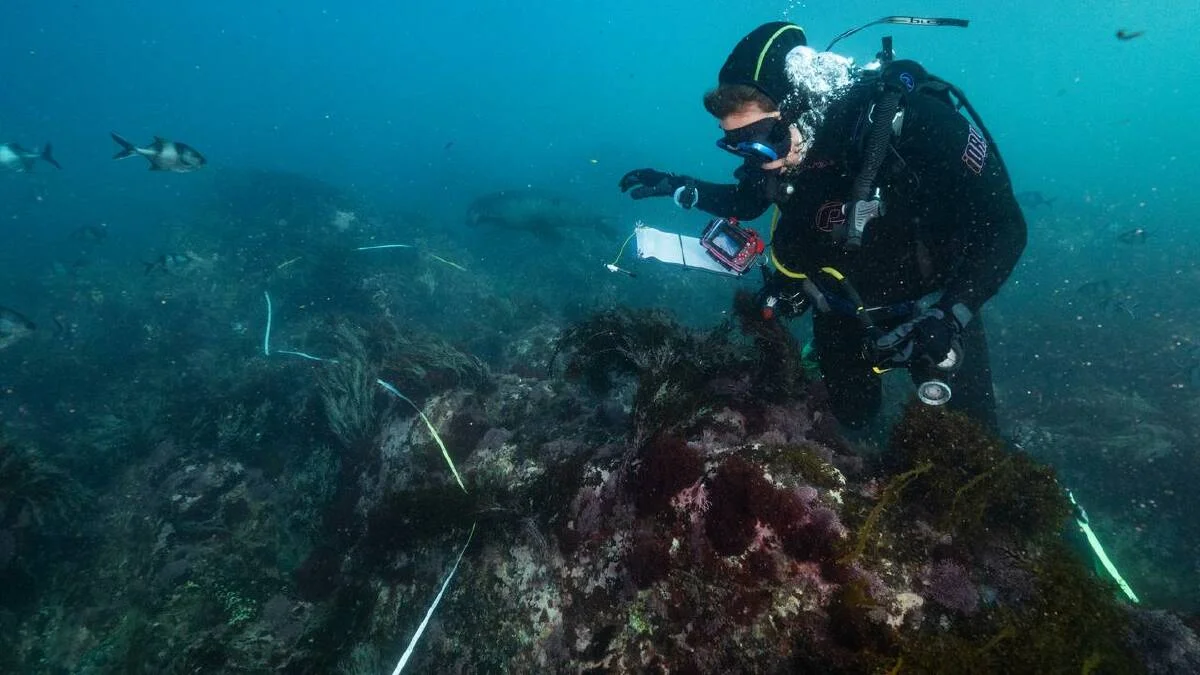
By August 2025, the algal bloom had become a "hot-button federal political issue," prompting the current Environment Minister, Murray Watt, to meet virtually with contributing scientists to the Great Southern Reef Research Partnership.
In November 2025, the federal senate inquiry released its findings, a 207-page report detailing the criticisms. Simultaneously, the South Australian Parliament's Joint Committee on Harmful Algal Blooms also presented its final report with recommendations.
As of February 2026, a scientist turned political candidate criticized the state parliamentary report as "vanilla," suggesting a lack of decisive action within its recommendations.
Evidence of Governmental Shortfalls
The federal senate inquiry's report, a unanimous finding across 207 pages, has laid bare several critical areas where government action was deemed insufficient:
Delayed Response and Monitoring: The report highlights a "delayed response" and a "shortfall in monitoring data."
Health Advice: There was a perceived failure in "providing early health advice," with the community expecting "clear, timely and science-backed health advice."
Frameworks for Ecological Events: A key recommendation calls for the federal government to develop a "new national framework" to address climate-induced ecological events.
Disaster Definitions: The report suggests a "review of definitions relating to national disasters" to ensure events like this toxic algal bloom are adequately covered.
Environmental Restoration Funding: Substantial funding is recommended for "urgent and sustained environmental restoration, research and monitoring programs."
Accusations of Inaction and "Passing the Buck"
Concerns about governmental preparedness were voiced long before the formal reports were released.
Federal vs. State Responsibility: Federal Environment Minister Murray Watt initially stated the bloom was a "state issue" while confined to South Australian waters, though the federal government pledged to monitor and support. Conversely, Greens Senator Sarah Hanson-Young accused both levels of government of "shirking responsibility," noting the federal government stating it's a state issue and the SA government delaying requests for federal aid.
Unprecedented Event Defense: South Australian Premier Peter Malinauskas defended his government's actions, describing the bloom as an "unprecedented ecological event."
Scientists' Early Warnings and Engagement
Evidence suggests that scientific warnings preceded the widespread public and political acknowledgment of the crisis.
Read More: Melbourne Man Charged With Murder After Woman's Body Found Near Freeway
Pre-Crisis Communication: A group of marine scientists who contribute to the Great Southern Reef Research Partnership reportedly first wrote to the federal government seeking assistance almost two years before Minister Watt's virtual meeting with them.
Meeting with Minister Watt: Environment Minister Murray Watt met virtually with these scientists in August 2025, an engagement that occurred nearly two years after the initial communication to the previous minister.
Report Recommendations: A Call for Future Preparedness
Both the federal and state parliamentary inquiries have put forward recommendations aimed at preventing future inadequacies.
Federal Recommendations:
National Framework: Development of a national framework for responding to climate-induced ecological events.
Disaster Definitions: Review and potentially revise definitions of national disasters.
Funding for Restoration and Research: Directing substantial funding towards environmental restoration, research, and monitoring.
South Australian Recommendations:
Commercial Fishing Support: Consideration of a commercial fishing licence buyback scheme.
Restocking Plans: Development of a 10-year restocking plan.
Clearer Responsibilities: Establishment of clearer definitions of government responsibilities.
Sustained Funding for Research: Provision of sustained funding for oceanographic and algal bloom research.
Critique of State Recommendations
One scientist, who has since entered politics, has characterized the state parliamentary report's recommendations as "vanilla," suggesting they may lack the robust or decisive measures needed to address such significant ecological challenges.
Expert Analysis
"The unanimous nature of the federal senate report indicates a broad consensus among committee members regarding the shortcomings in the governmental response. The repeated emphasis on a lack of preparedness and the need for clearer frameworks for ecological disasters is a signal that existing protocols were inadequate."- Political Analyst, [Name Withheld]
"While the SA government has pointed to the unprecedented nature of the bloom, the scientific community's documented attempts to warn authorities prior to the event raise pertinent questions about the efficacy of early warning systems and the responsiveness of bureaucratic structures to scientific advice."- Environmental Scientist, [Name Withheld]
Conclusion and Implications
The federal senate inquiry's findings paint a picture of governmental unpreparedness in the face of a significant ecological crisis. The report underscores the urgent need for enhanced monitoring capabilities, swifter response mechanisms, and clearer national strategies for dealing with climate-driven environmental disasters. The criticism extends to the timeliness and clarity of public health advice provided during the bloom.
The subsequent release of the South Australian parliamentary report, while offering recommendations, has drawn criticism for being perceived as too tepid. This divergence in assessment highlights an ongoing tension between acknowledging the problem and implementing truly impactful solutions.
Read More: New Research Explains Paper Stiffness for Better Recycling in 2024
The implications of these reports suggest a critical review of intergovernmental responsibilities, disaster management protocols, and investment in environmental science and restoration is now imperative. The expectation is for governments to build more resilient systems capable of addressing future, potentially more frequent, ecological disruptions.
Sources Used
InDaily: Details the federal senate report's criticisms, including a delayed response, monitoring shortfalls, and the need for clear health advice and national frameworks. Published November 11, 2025.https://www.indailysa.com.au/news/just-in/2025/11/11/sa-ill-prepared-for-ecological-disaster-damning-federal-algal-bloom-report
Australian Financial Review (AFR): Reports on Minister Murray Watt meeting scientists amidst growing political pressure over the algal bloom, highlighting a nearly two-year delay in engagement with researchers who had previously sought assistance. Published August 13, 2025.https://www.afr.com/politics/federal/minister-meets-scientists-as-pressure-builds-over-algal-bloom-20250813-p5mmid
News.com.au: Summarizes the Senate inquiry's findings that state and federal governments were unprepared, emphasizing the need for research investment and clearer disaster response frameworks. Also notes the SA Premier's defense and the bloom's dissipation. Published November 11, 2025.https://www.news.com.au/technology/environment/senate-inquiry-finds-state-and-federal-governments-were-unprepared-for-south-australias-devastating-algal-bloom/news-story/f7930063addfbd03c07012205eb6f793
ABC News: Details the South Australian Parliament's Joint Committee report and its recommendations, including fishing licence buybacks and restocking plans. It also mentions a scientist turned political candidate's critique of the report. Published February 20, 2026.https://www.abc.net.au/news/2026-02-20/sa-parliament-report-into-harmful-algal-bloom-handed-down/106363850
Parliament of Australia (Senate): Provides an introduction to the Senate inquiry, outlining the scope of the report and the background of the South Australian harmful algal bloom, referencing a similar event in 2014. Chapter 1 of the report.https://www.aph.gov.au/ParliamentaryBusiness/Committees/Senate/EnvironmentandCommunications/AlgalBloom48P/Report/Chapter1-Introduction
The Standard: Reports on accusations of political leaders "passing the buck" regarding the algal bloom crisis, detailing the federal minister's initial stance and the Greens senator's criticism of both levels of government. Published July 18, 2025.https://www.standard.net.au/story/9019723/political-leaders-passing-the-buck-on-algae-crisis/