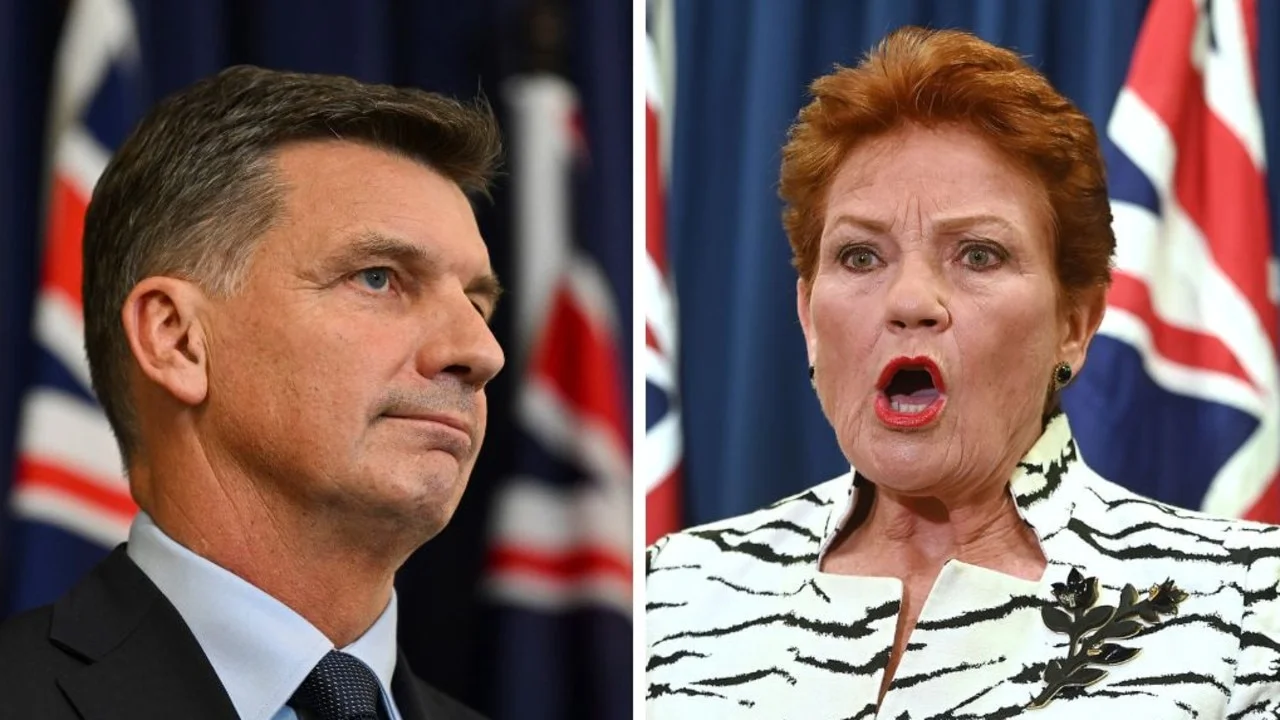
A political divide is emerging in Australia following recent controversial remarks by Pauline Hanson. Opposition Leader Angus Taylor finds himself navigating these divisions, aiming to maintain party direction while addressing public sentiment. The debate intensifies as the government continues to assess the return of women and children linked to ISIS, sparking further discussion about national security and immigration policies.
The situation highlights a complex interplay between political leadership, public opinion, and national security concerns. As new leadership takes hold within the Liberal Party, these issues present a significant challenge in defining the party's stance and approach to critical social and security matters.
Political Tempest Over "Good Muslim" Remarks
Pauline Hanson's recent comments, described as "good Muslims" remarks, have ignited a strong reaction across the Australian political landscape. While Hanson defended her statements, calling media "hyperventilating," others, including Liberal leader Angus Taylor, suggested her views were "out of step with Australians."
Hanson's Stance: Pauline Hanson has publicly stated her views, asserting that media coverage was excessive. She has also faced past legal judgments, with a judge ruling a tweet directed at a Muslim senator as "strong racism." This ruling found her post to be "racist, nativist and anti-Muslim."
Taylor's Position: Angus Taylor, recently elected as Liberal leader, is attempting to balance appealing to voters who might consider One Nation while also representing a broader, diverse Australia. He stated he does not "agree with Hanson's anti-Muslim comments" but has not directly stated whether she should apologize. Taylor has also emphasized the need for Labor to "get serious" about the issue of ISIS brides.
Broader Opposition: Senator Matt Canavan has publicly criticized Hanson's comments, suggesting they question her ability to credibly challenge the major parties. The "good Muslims" remarks have apparently drawn battle lines within the conservative political sphere as the next election approaches.
The Complex Question of Returning ISIS-Linked Individuals
The ongoing assessment of women and children linked to ISIS, often referred to as "ISIS brides," remains a significant point of discussion and political contention. Security experts are still evaluating these cases, prompting calls for a more decisive approach from the government.
Government Assessment: The Minister for Health and Aged Care, Mark Butler, has indicated that decisions regarding the return of these individuals are still being considered by security experts.
Calls for Action: Opposition figures, including Angus Taylor, have urged the Labor government to "get serious" about the issue, arguing that returning these individuals and their children to Australia is a matter of concern. Senator Michaelia Cash has also expressed the sentiment that "Australians should not be treated as mugs."
Legal and Security Implications: The return of individuals with suspected links to terrorist organizations presents substantial legal and security challenges, including questions of citizenship, rehabilitation, and potential risks to national security. The situation is complicated by the fact that many children are involved, raising further ethical and practical considerations.
Liberal Leadership and Evolving Party Direction
The election of Angus Taylor as the new Liberal Party leader marks a significant moment for the party, occurring shortly after Sussan Ley's resignation. Taylor's initial statements suggest a focus on immigration and tax reform, signaling potential shifts in policy direction.
Leadership Change: Angus Taylor secured 34 votes to 17 against Sussan Ley in a party room meeting, becoming the 17th leader of the Liberal Party. Ley announced her retirement from politics following the vote.
Policy Signals: In his first press conference as leader, Taylor indicated a strong stance on immigration and hinted at broader reforms in taxation. He has acknowledged the need for the Liberal Party to improve its standing with the electorate.
Navigating Conservatism: Taylor faces the task of uniting his party and defining its path forward, particularly in relation to appealing to voters who may be drawn to parties like One Nation, while also aiming to represent a diverse electorate.
Expert Insights and Public Sentiment
The public and political discourse surrounding Pauline Hanson's comments and the return of ISIS-linked individuals reflects deeper societal debates. Analysts suggest that the current political climate demands careful consideration of diverse viewpoints.
"Hanson's attempt to lump all Muslims in with extremists has marked battlelines on the conservative flank of Australian politics heading into the next election." - Sydney Morning Herald Analysis
"We understand why you’re saying that the Liberal Party has to be better," - Angus Taylor (as quoted in Sydney Morning Herald)
The legal ruling against Pauline Hanson regarding her social media post underscores the legal ramifications of inflammatory public statements. The judge's findings that the post was "racist, nativist and anti-Muslim" serve as a stark reminder of the impact such language can have.
Read More: South Australia Algal Bloom: Federal Report Says Governments Were Unprepared in Early 2025
Conclusion and Unresolved Questions
The current political landscape in Australia is characterized by significant debate surrounding immigration, national security, and the impact of public figures' statements. Pauline Hanson's "good Muslims" remarks have brought these issues to the forefront, creating a clear division within the political sphere.
Taylor's Leadership Challenge: Angus Taylor faces the immediate challenge of solidifying his leadership and articulating a clear policy direction for the Liberal Party, particularly concerning its appeal to a broad range of voters.
ISIS Bride Decisions: The government's continued assessment of returning ISIS-linked individuals highlights the ongoing complexities of national security and the need for transparent decision-making processes.
Societal Impact: The legal precedent set by the ruling against Pauline Hanson's social media post underscores the potential legal consequences of divisive rhetoric and its impact on public discourse.
Key questions remain regarding how political parties will navigate these sensitive issues in the lead-up to the next election and what long-term implications these debates will have on Australia's social cohesion and security policies.
Sources:
The Nightly: Article discussing political live updates, including comments from Mark Butler and Angus Taylor regarding ISIS brides and Pauline Hanson's remarks.
Sydney Morning Herald: Report detailing Angus Taylor's stance on Pauline Hanson's anti-Muslim comments and the broader political implications.
9News: Article detailing a court ruling that found Pauline Hanson's social media post to be racist.
ABC News: Live report covering federal politics, including discussions on ISIS-linked women, passports, and political statements.
news.com.au: Live coverage of the Liberal leadership contest, reporting on Angus Taylor's election as leader.
(Note: Sky News Australia Article 3 was inaccessible due to cookie requirements. Google News Article 2 and ABC News Article 8 provided general news aggregation or had summaries that were too short for detailed extraction.)