
A new government plan in England aims to make it easier to manage deer populations. This is because deer numbers have grown significantly, causing problems for trees, crops, and public safety. The changes will allow for more licensed deer shooting, including at night and outside the usual season, to better control populations.
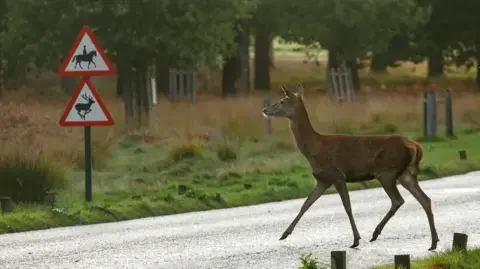
Population Boom: Deer numbers are at high levels across England.
Damage Caused: Overpopulation harms young trees, crops, and natural habitats.
Safety Risk: More deer mean more collisions with vehicles, which can be deadly.
New Strategy: The government has released a 10-year plan to manage deer populations.
Rising Deer Numbers Pose Threats Across England
Deer populations in England have reached historically high levels. This increase, particularly among non-native species like muntjac and fallow deer, as well as native red and roe deer, is causing widespread damage. Without natural predators to keep them in check, these deer populations are able to reproduce quickly.

Habitat Impact: Deer browsing and grazing significantly alter landscapes. This includes damaging young trees, preventing woodland regeneration, and impacting farmland. Forest floors can become bare, wildflowers can diminish, and invasive plants that deer avoid can spread.
Agricultural Losses: Crops are heavily impacted by deer grazing, creating seasonal management challenges for farmers and landowners.
Vehicle Collisions: The RSPCA reports over 74,000 deer are involved in vehicle collisions annually. These incidents result in fatalities and numerous injuries to people.
Government Introduces New Deer Management Strategy
To address these growing concerns, the UK government has introduced a new 10-year deer management strategy. This plan is designed to simplify and enhance current culling practices.

Priority Areas: The strategy will identify specific zones where deer culling is most needed.
Expanded Culling Methods: Licensed night-time shooting and shooting during closed seasons will be made easier. These methods are considered more effective for managing large and nocturnal deer herds.
Grant System Review: Changes are also planned for the financial support provided to landowners who undertake deer culling.
Arguments for and Against Culling
The proposed changes have sparked discussion among various groups. Proponents emphasize the ecological and safety benefits, while animal rights advocates raise concerns.
Read More: Essex County Council May Lower Green Bin Fees After Resident Complaints in March 2024

Arguments for Culling
Ecological Balance: Wildlife managers argue that culling is necessary to restore ecological balance. It helps to protect habitats from degradation caused by overgrazing and ensures the health of deer populations by preventing them from exceeding their environment's carrying capacity.
Public Safety: Reducing deer numbers directly addresses the danger posed by deer-vehicle collisions, which result in human injuries and fatalities.
Economic Protection: Culling safeguards agricultural output and timber production by preventing damage to crops and young trees.
Arguments Against Culling
Overpopulation Solution: A spokesperson for People for the Ethical Treatment of Animals (PETA) stated that culling alone will not solve the problem of overpopulation. They advocate for ensuring that those in need benefit from culls in their local areas, suggesting a focus on humanitarian aspects alongside population control.
Expert Insights on Deer Management
Wildlife and forestry experts highlight the critical role of deer management in maintaining healthy ecosystems and productive landscapes.
"Deer populations across the UK are at historically high levels, with expanding numbers of all species—fallow, roe, red, muntjac, sika, and Chinese water deer—reshaping woodlands, farmland and conservation landscapes." - Forestry Journal
The challenge lies in managing deer populations effectively to mitigate their negative impacts while considering the welfare of the animals. The effectiveness of culling is often discussed in terms of its strategic application and species-specific approaches, acknowledging that different deer species interact with habitats differently.
Conclusion and Future Implications
The new government strategy signifies a concerted effort to tackle the escalating issues related to high deer populations in England. By facilitating deer culling, the government aims to protect vulnerable woodlands and agricultural land, while also aiming to reduce the risks associated with increased deer-vehicle accidents. The effectiveness of this long-term plan will depend on its implementation, the ongoing monitoring of deer populations, and the balance struck between ecological needs, agricultural interests, and animal welfare concerns. Further evaluation will be needed to determine if this strategy achieves the desired outcomes in managing deer numbers and mitigating their widespread impact.
Read More: New 2024 Palliative Care Support Helps Families Facing Mesothelioma After Asbestos Exposure
Sources Used:
BBC News: Provides an overview of the government's new deer management strategy and its goals.
The Guardian: Details the legislative changes intended to make deer shooting easier and discusses the species involved.
Forestry Journal: Explains the critical need for deer culling to protect UK woodlands, noting high deer population levels.
Wildforce Ltd: Discusses the damage caused by deer browsing and grazing and offers management solutions.
Biology Insights: Defines deer culling and outlines the reasons for its necessity, including safety and habitat concerns.
Link: https://biologyinsights.com/what-is-deer-culling-and-why-is-it-necessary/
Know Animals: Explains why deer culling is necessary for ecological balance, population control, and public safety.
Link: https://knowanimals.com/why-do-deer-have-to-be-culled/