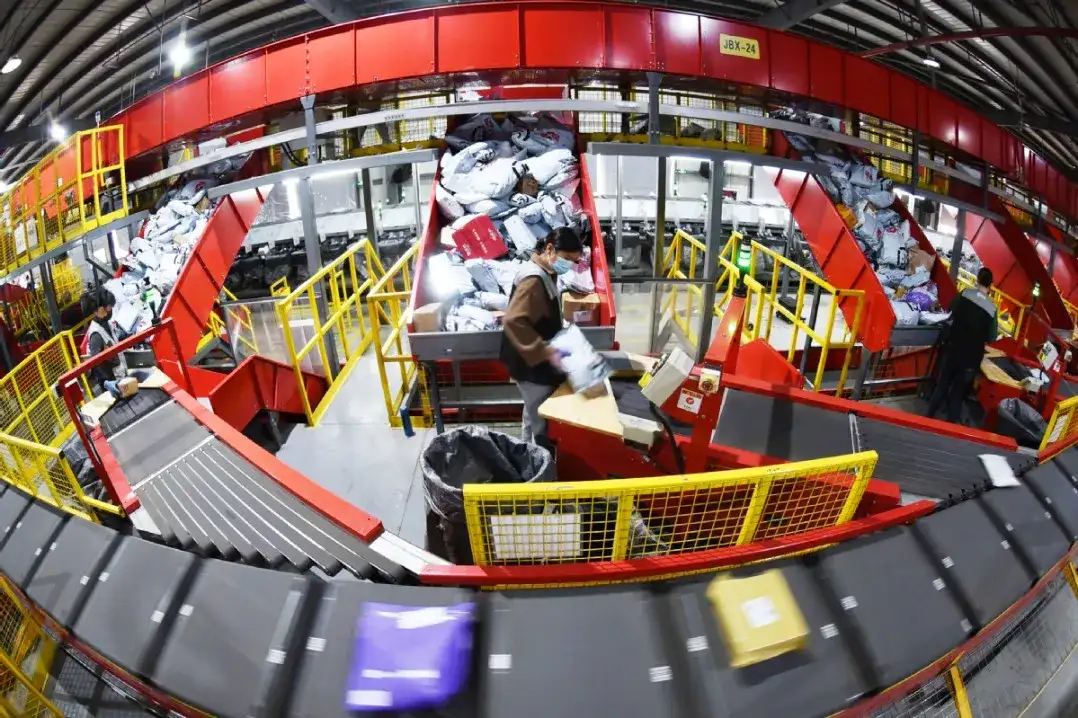
The United States and Indonesia have concluded a trade agreement aimed at lowering tariffs and reducing trade barriers between the two nations. This accord marks a significant step in bilateral economic relations, with a key outcome being the reduction of US tariffs on Indonesian goods.
The agreement comes after a period of negotiation and aims to create more favorable conditions for trade across various sectors. Both countries have expressed commitments to implementing the deal, which is expected to influence trade flows and market access.

Background and Key Players
The trade deal was finalized between President Donald Trump of the United States and President Prabowo Subianto of Indonesia. Discussions and negotiations leading to this agreement have been ongoing, with specific milestones reached.
July Framework: A framework for the agreement was established in July, setting the stage for further details.
Negotiation Process: The finalization involved what are described as "tough negotiations," with President Prabowo Subianto reportedly playing an active role to safeguard national interests.
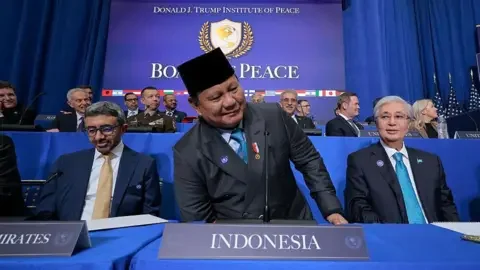
Timing: The deal was finalized while President Subianto was in Washington D.C. to attend the first meeting of President Trump’s Board of Peace.
Provisions of the Agreement
The core of the agreement centers on tariff reductions and the easing of market access.
Read More: Goldman Sachs predicts 15 million US jobs lost to AI by 2036

Tariff Reduction: US tariffs on Indonesian goods are set to be reduced to 19%. This is a notable decrease from a previous rate of 32%.
Indonesian Market Access: Indonesia has agreed to lower trade barriers on more than 99% of American imports. This includes goods from sectors such as:
Agriculture
Healthcare
Seafood
Technology
Car-related goods
Exemptions and Eliminations:
Washington has granted tariff exemptions on certain Indonesian goods, including specific clothing and textiles made with US-sourced cotton and man-made materials.
The agreement also eliminates heightened duties on some Indonesian exports, such as palm oil, spices, and pharmaceuticals.
Critical Minerals: Both nations agreed to cooperate on critical minerals, with details yet to be fully disclosed. The US is seeking Indonesia's cooperation to lift restrictions on critical mineral exports to potentially secure US manufacturers from supply chain disruptions.
Investment: Indonesia has indicated it will allow US companies to extract critical minerals under terms similar to those for domestic investors. The US has promised to consider offering investment financing through institutions like the Export-Import Bank and the US International Development Finance Corporation.
Economic Implications and Objectives
The agreement is framed as beneficial for both the US and Indonesia, with distinct objectives for each side.
For the United States:
Market Access: The deal is expected to lower barriers for American companies seeking to sell into Indonesia, a nation with a large population.
Level Playing Field: The accord aims to provide American companies with a more equitable environment in a market actively seeking manufacturing and other investments, especially as companies consider diversifying supply chains away from China.
Addressing Trade Deficits: The Trump administration has highlighted a goal of liberating America from what it describes as "unfair trade practices" that have contributed to a global trade deficit. The US currently holds its 15th largest goods trade deficit with Indonesia.
Boosting Sectors: The White House stated the agreement will "break down trade barriers" and advance the interests of the American people, unlocking major breakthroughs for America’s manufacturing, agriculture, and digital sectors.
For Indonesia:
Avoiding Higher Tariffs: Indonesia will avoid the previously threatened 32% tariffs, instead facing the reduced 19% rate for most goods.
Global Trade Position: The deal is expected to enhance Indonesia's standing in global trade. Its significance is amplified by the fact that it follows a separate trade agreement between Indonesia and the European Union, which aims to increase market access for Indonesian goods in Europe.
Economic Headwinds: The agreement is also seen as coming at a time when Indonesia is facing market challenges.
Evidence and Sources
White House Fact Sheet: Provides an overview of the agreement's objectives and key provisions, emphasizing market access and the administration's stance on trade practices.
BBC News: Reports on the finalized deal, detailing tariff reductions and the easing of barriers on agricultural and technology goods.
CNBC TV18 & Business Times: Offer similar reporting on the tariff cuts and specific Indonesian exports affected, alongside details on critical minerals and investment cooperation.
AP News: Highlights the context of President Subianto's visit to Washington for the Board of Peace meeting and touches upon the critical minerals aspect of the deal.
Sekretariat Kabinet Republik Indonesia: The Indonesian government's official statement, confirming the deal and the tariff reduction, and framing it as a result of active negotiation.
Moneycontrol: Briefly mentions the deal and a quote from President Trump calling it a "huge win."
The summary from Moneycontrol (Article 7) is incomplete and lacks substantive detail, therefore it is not used in the detailed evidence breakdown.
Expert Analysis
Jamieson Greer, US Trade Representative, stated that the agreement "breaks down trade barriers" and advances American interests.
According to Indonesian officials, delays in reaching the agreement were attributed to the US government shutdown. They characterized the ongoing talks as proceeding smoothly.
Unanswered Questions and Next Steps
While the core elements of the trade deal have been announced, certain aspects remain less defined.
Critical Minerals Details: The specific terms and operational details regarding cooperation on critical minerals have not yet been fully elaborated upon.
Implementation Timeline: The exact timeline for the full implementation of all provisions of the agreement has not been provided.
Impact Assessment: A comprehensive analysis of the potential long-term economic impact on both US and Indonesian industries has yet to be released.
The next steps will likely involve the formal ratification and subsequent implementation of the agreed-upon measures by both governments, alongside continued dialogue on areas such as critical minerals.
Sources
BBC News: US and Indonesia sign deal to cut tariffs to 19% - https://www.bbc.com/news/articles/cgk2d7yxm2zo
White House: Fact Sheet: Trump Administration Finalizes Trade Deal with Indonesia - https://www.whitehouse.gov/fact-sheets/2026/02/fact-sheet-trump-administration-finalizes-trade-deal-with-indonesia/
CNBC TV18: Donald Trump and Indonesia's Prabowo finalise trade deal slashing tariff rate to 19% - https://www.cnbctv18.com/world/donald-trump-and-indonesias-prabowo-finalise-trade-deal-slashing-tariff-tate-to-19-ws-l-19854178.htm
Business Times: Trump, Indonesian President Prabowo finalise trade deal slashing tariff rate to 19% - https://www.businesstimes.com.sg/international/asean/trump-indonesian-president-prabowo-finalise-trade-deal-slashing-tariff-rate-19
AP News: Indonesia's president reaches a trade deal with US while in Washington for Trump's Board of Peace - https://apnews.com/article/trade-indonesia-trump-vietnam-board-of-peace-9e8d5ea68089d9cffdf6253edcd03bc8
Sekretariat Kabinet Republik Indonesia: Indonesia Strikes Deal to Reduce US Tariff to 19% - https://setkab.go.id/en/indonesia-strikes-deal-to-reduce-us-tariff-to-19/