Centuries of reverence for the Shroud of Turin, believed by some to be the burial cloth of Jesus Christ imprinted with his image, are now met with renewed challenges. A recently unearthed medieval document, detailed in a new study, offers substantial evidence suggesting the artifact is a clerical fraud. This discovery adds a significant layer to an enduring debate, pitting claims of divine origin against assertions of historical forgery, drawing attention from believers, researchers, and the public alike.

Historical Context and Scholarly Divisions
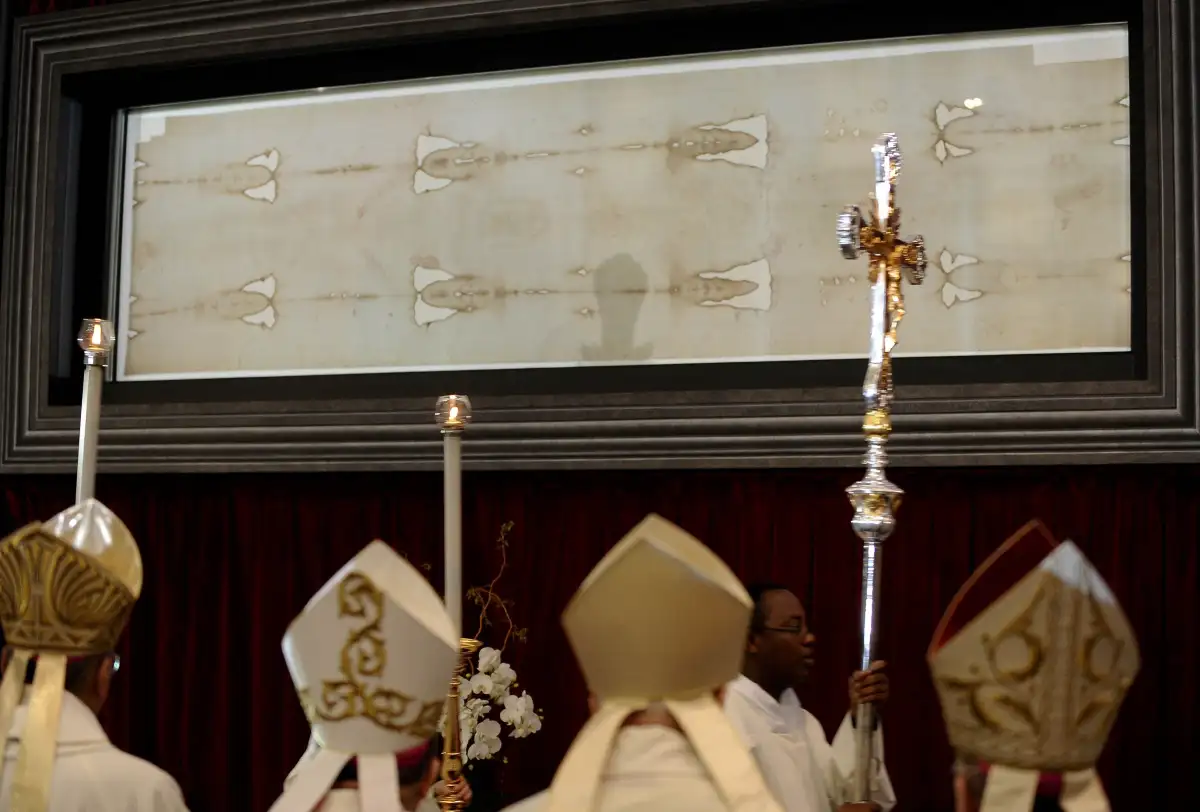
The Shroud of Turin, a linen cloth bearing the faint image of a man's front and back, has been a source of fascination and controversy for generations. Believers see in its markings – including those resembling thorn marks on the head, bruises on the shoulders, and lacerations on the back – a direct connection to the biblical accounts of Jesus' crucifixion. This interpretation has positioned the shroud as a sacred relic, a prized artifact attracting visitors to Turin, Italy, where it is displayed on rare occasions.
Read More: Mahabharata: Krishna's Strategy and Wisdom Guided Pandavas

Conversely, a body of research, including previous radiocarbon dating and more recent digital analyses, has cast doubt on its authenticity. These studies have proposed origins in the late 13th or 14th century, suggesting the image was created by a medieval artist. The conflict between these viewpoints remains a central theme in the ongoing discussion.
Recent Revelations and Interpretations
The Nicole Oresme Document: A pivotal development is the discovery and analysis of a medieval document. This document is presented as offering the oldest evidence to date suggesting the Shroud of Turin is the result of "clerical fraud." It details a narrative of fabricated relics and deception within the church during the 14th century.
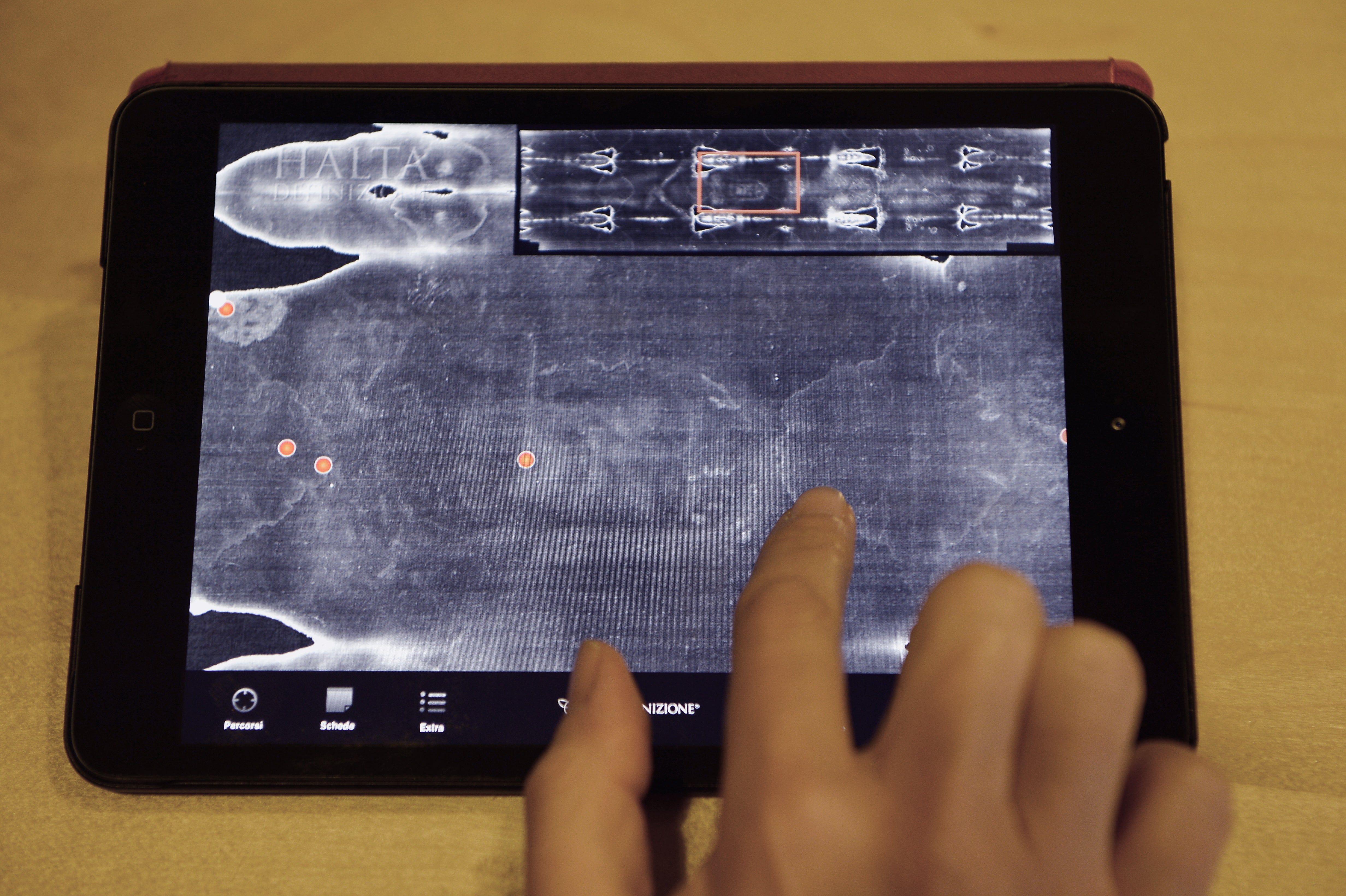
3D Modeling and Sculptural Hypothesis: Independent research utilizing 3D modeling has proposed that the image on the Shroud could have been created by draping the cloth over a low-relief sculpture, rather than a human body. Proponents of this theory argue that digital analysis of how the fabric falls supports this conclusion, suggesting it is implausible for the impression to have originated from a human form.
Challenges to 3D Analysis: However, specialists in Shroud research have voiced objections to the 3D modeling findings. These experts assert that the digital modeling contains errors and overlooks specific features of the Shroud that make its creation difficult to explain by medieval artistic means, particularly the depiction of a naked, front-and-back, post-crucifixion Christ, a theme considered rare in Western medieval art.
Dating and Scientific Methods: Ongoing scientific inquiries continue to explore the Shroud's origins. One study, using X-rays to examine linen threads, suggests an origin dating back 2,000 years, to the time of Jesus. This research aims to counter earlier studies that placed its creation in the medieval period, which led many to dismiss it as a forgery. Researchers have also compared the shroud's cellulose degradation to that of first-century linens from Israel.
Perspectives on Authenticity
| Viewpoint | Supporting Evidence / Arguments | Counterarguments / Doubts |
|---|---|---|
| Authenticity | - Markings on the cloth correspond to biblical descriptions of Christ's crucifixion. - New studies suggest an origin dating back 2,000 years, to the time of Jesus. | - Previous radiocarbon dating placed its origin in the late 13th or 14th century. - 3D analysis suggests the cloth was draped over a sculpture, not a body. |
| Inauthenticity | - Newly discovered medieval document points to "clerical fraud" and is considered the oldest evidence of forgery. - 3D modeling suggests the image could have been created using a low-relief sculpture. | - Experts question the accuracy of 3D modeling, citing errors and overlooked features. - The biblical depiction of Christ's suffering aligns with the body image on the shroud. |
| Medieval Origin | - Radiocarbon dating places its origins between 1260 AD and 1390 AD. - Claims that a medieval French artist could have created such an image. | - Specific artistic elements, like the post-crucifixion Christ depiction, are considered rare for the medieval period. - Challenges exist in replicating the image's properties through known medieval artistic techniques. |
Expert Analysis and Ongoing Research
Dr. Evaldo Silva, a researcher involved in the 3D modeling study, stated that the analysis demonstrated the Shroud "could never have been draped over Jesus' body." Conversely, Tristan Casabianca, Emanuela Marinelli, and Alessandro Piana, Shroud specialists, have critiqued the digital modeling, asserting that it "undercuts the claim that a medieval French artist could have conceived and made such an image."
Italian scientists, in a study published in Heritage, report finding evidence that traces the Shroud's origin to the time of Jesus, although they acknowledge the study "falls short of concluding whether the shroud was actually Jesus’s burial cloth." The debate is further complicated by the fact that clerical fraud related to relics was not uncommon in the medieval period, as evidenced by the newly discovered document.
Read More: WWII Kind Act Reunion: Families Meet After Decades
Conclusion and Future Inquiry
The Shroud of Turin remains an object of profound debate, with recent discoveries and analyses fueling both sides of the argument. The unearthed medieval document presents a compelling case for historical forgery, supported by evidence of past clerical deception. Simultaneously, ongoing scientific investigations into the Shroud's material composition and dating methods continue to yield results that some interpret as supporting an ancient origin.
The validity of the 3D modeling technique and the specific interpretations of its results are points of contention among specialists. Future research may focus on reconciling these conflicting scientific and historical findings, potentially through more advanced imaging techniques or further analysis of the newly discovered medieval document to corroborate its claims. The central question of the Shroud's true origin persists, leaving its status as either a sacred relic or a medieval creation unresolved.
Read More: God's Love for People and Hate for Sin Explained
Sources
Euronews: "Newly discovered document adds evidence that the Shroud of Turin is not Jesus' crucifixion shroud" (August 29, 2025) - https://www.euronews.com/culture/2025/08/29/newly-discovered-document-adds-evidence-that-the-shroud-of-turin-is-not-jesus-crucifixion-shro
Newsweek: "Discovery reveals we've been debunking the Shroud of Turin for 650 years" (August 29, 2025) - https://www.newsweek.com/archaeology-bible-jesus-shroud-turin-650-years-debunk-2121470
The Irish Times: "New evidence for the authenticity of the Shroud of Turin" (December 19, 2024) - https://www.irishtimes.com/science/2024/12/19/new-evidence-for-the-authenticity-of-the-shroud-of-turin/
The Mirror: "New twist in the battle over the origin of the Turin Shroud" (February 10, 2026) - https://www.mirror.co.uk/news/technology-science/science/new-twist-battle-over-origin-36699731
The Archaeologist: "New Findings Reinforce the Authenticity Debate of the Turin Shroud" (August 22, 2024) - https://www.thearchaeologist.org/blog/new-findings-reinforce-the-authenticity-debate-of-the-turin-shroud
All That's Interesting: "New Evidence Proves That The Shroud Of Turin Wasn’t Draped Over The Body Of Jesus — Only A Statue" (August 6, 2025) - https://allthatsinteresting.com/shroud-of-turin-new-evidence
The Independent: "Turin Shroud may actually be Jesus’s burial cloth, new study suggests" (August 25, 2024) - https://www.independent.co.uk/news/science/archaeology/jesus-christ-shroud-of-turin-b2601565.html