A Historic Effort to Restore an Extinct Species and Its Ecosystem
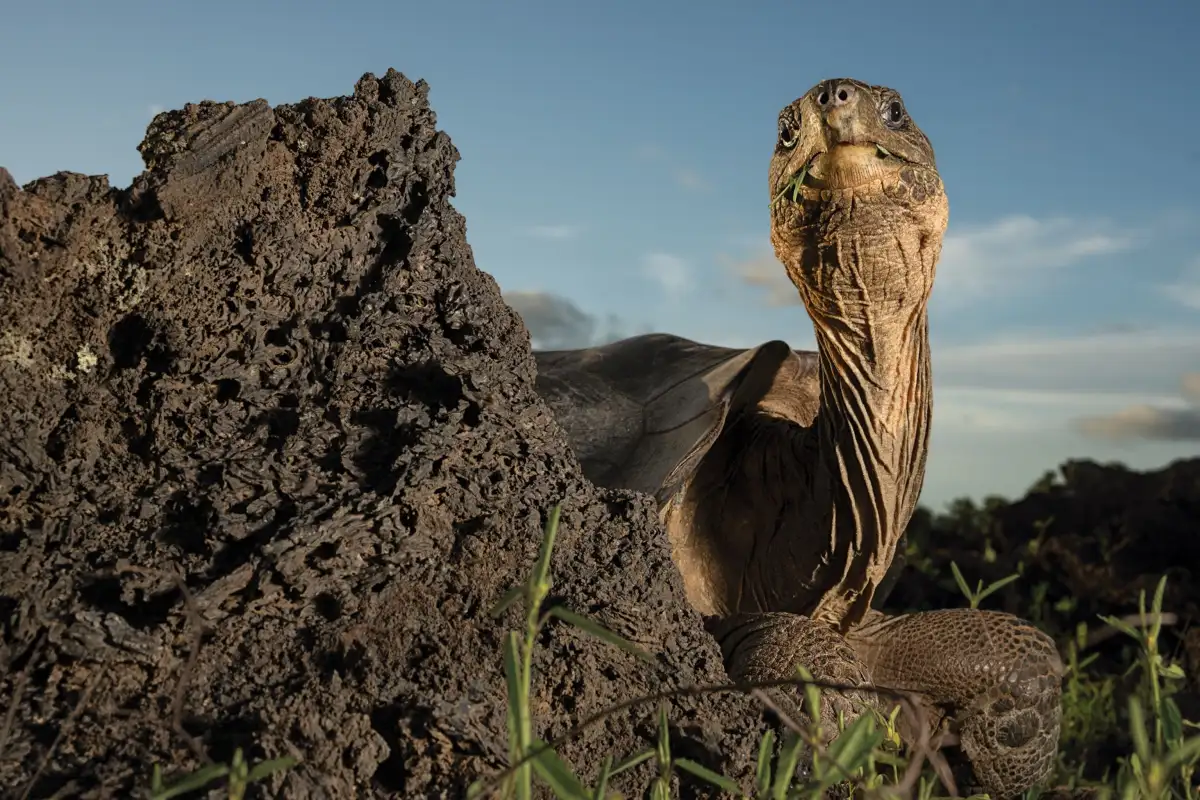
For nearly 200 years, the Floreana giant tortoise was absent from its namesake island in the Galápagos. Now, a historic reintroduction effort has brought these giants back, marking a significant step in the restoration of a unique ecosystem. This endeavor represents the culmination of years of scientific work and collaborative conservation, aiming to mend an island's ecological balance disrupted by the tortoise's disappearance. The return of this species, once thought lost forever, is seen as a beacon of hope for conservation science and the recovery of Galápagos biodiversity.
Background and Timeline of the Floreana Tortoise's Disappearance
The Floreana giant tortoise, a distinct species native to Floreana Island, vanished from its home in the mid-19th century. This decline was largely attributed to historical exploitation, where tortoises were taken aboard ships for food. Some of these animals were then released or escaped onto other islands, where they interbred with local tortoise populations.
Read More: Orangutan Mothers Plan Playdates for Babies in Borneo
1850s: The last known wild Floreana giant tortoise was observed.
Post-1850s: The species was considered extinct, with its genetic lineage becoming diluted through interbreeding with other Galápagos tortoises on different islands.
Recent Decades: Scientific advancements, particularly in DNA analysis, allowed researchers to identify individuals carrying the genetic markers of the Floreana tortoise, even among hybrid populations.
Evidence of Genetic Lineage and Reintroduction Efforts
Scientific analysis has been crucial in identifying and resurrecting the Floreana tortoise.
Genetic Identification: Researchers analyzed the DNA of tortoises found on other islands, discovering individuals that, while not purebred, carried Floreana genes. Some genetic sequences did not match any known living tortoise species at the time of initial analysis.
Breeding Program: A meticulous breeding program was established, likely on Santa Cruz Island, at the Galápagos National Park's breeding center. This program aimed to increase the population of tortoises with Floreana lineage.
Reintroduction: Recently, a significant number of these tortoises, specifically 158 individuals, were released at two designated sites on Floreana Island.
"The return of the Floreana giant tortoise, a species that the world thought was lost forever." - Galapagos Conservation Trust
"For the first time in over 150 years, the first tortoises of the Floreana lineage will be released onto their ancestral island." - Galápagos Conservancy
The Role of Advanced Genetics in Restoration
The process of bringing back the Floreana tortoise has relied heavily on cutting-edge genetic techniques.
Harnessing Genetics: Scientists utilized advanced genetics for genetic reconstruction, a process described as a "genetic miracle." This involved understanding the genetic remnants of the species to guide breeding efforts.
Identifying Hybrids: The initial step involved identifying individual tortoises carrying Floreana genes. This was a painstaking process, distinguishing them from other Galápagos tortoise species.
"The process of genetic reconstruction for the Floreana tortoise is a prime example of harnessing advanced genetics for conservation." - One Naturalist Blog
Ecosystem Impact and Conservation Goals
The reintroduction of the Floreana giant tortoise is not merely about restoring a single species but about healing an entire ecosystem.
Ecological Balance: The disappearance of tortoises from Floreana led to the collapse of the island's delicate balance, impacting native species. Their presence is known to promote ecosystem health.
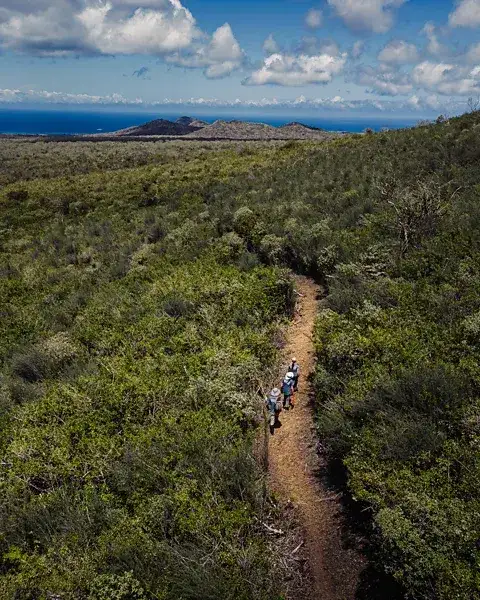
Habitat Navigation: The released tortoises will need to adapt to their environment, including finding water sources and nesting areas. Their natural tendency is to move between different zones on the island for feeding and nesting, covering miles annually.
Broader Mission: This reintroduction is part of a larger strategy to restore giant tortoise populations across the Galápagos archipelago. Successful reintroductions on other islands have demonstrated how these animals can cause ecosystems to flourish anew.
"By bringing these tortoises back, it’s about healing an entire ecosystem." - Galápagos Conservancy
"Where these zones occur on the same island, tortoises move between them, with some animals traveling miles each year between seasonal feeding and nesting areas." - NASA Science
NASA's Contribution to Galápagos Conservation
While not directly involved in the field, NASA is contributing to Galápagos conservation efforts by providing advanced technology.
Data Analysis: NASA's expertise in satellite imagery and data analysis is being used to map and understand the Floreana Island ecosystem. This helps in identifying suitable release sites and monitoring the environment.
Technological Support: The space agency's involvement underscores the application of sophisticated technology in terrestrial conservation projects, aiding in the understanding of ecological patterns and needs.
"NASA is helping bring giant tortoises back to the Galápagos." - NASA Science
Challenges and Future Outlook
The return of the Floreana tortoise faces ongoing challenges, including ensuring the species' long-term survival and adaptation.
Purebred Individuals: While the breeding program has been successful, the search for any remaining elderly purebred individuals on other islands, such as Wolf volcano, continues, though none have yet been found.
Adaptation: The newly reintroduced tortoises must adapt to their native environment, learning essential behaviors like finding water and suitable nesting grounds, which they may not instinctively possess.
"If, as some suspect, there are still some elderly purebred individuals alive on Wolf volcano, they have not been found." - Galapagos Conservation Trust
Sources
NASA Science: Published 21 hours ago. Provides information on NASA's supporting role through technology and data analysis in the Galápagos conservation efforts.🔗 https://science.nasa.gov/earth/nasa-is-helping-bring-giant-tortoises-back-to-the-galapagos/
Galapagos Conservation Trust: Published Jan 12, 2026. Discusses the reintroduction of the Floreana tortoise and mentions the possibility of finding purebred individuals.🔗 https://galapagosconservation.org.uk/floreana-giant-tortoise-reintroduction/
Galápagos Conservancy: Published Aug 28, 2025. Highlights the historical significance of the tortoise's disappearance and its return, framing it as part of a broader mission for ecosystem restoration.🔗 https://www.galapagos.org/newsroom/floreana-the-eden-that-breathes-again/
Galápagos Conservancy: Published Aug 18, 2025. Details the breeding program and the importance of tortoise reintroduction for ecosystem health.🔗 https://www.galapagos.org/newsroom/restoring-giant-tortoises/
One Naturalist Blog: Published Oct 30, 2025. Explains the genetic effort and reconstruction involved in resurrecting the Floreana tortoise species.🔗 https://onenaturalist.blog/return-floreana-giant-tortoise-genetic-miracle/
Liberty Unyielding: Published Sep 9, 2025. Frames the event as a resurrection of a species, noting the historical interbreeding that occurred.🔗 https://libertyunyielding.com/2025/09/09/giant-tortoise-has-been-resurrected/
Discover Wildlife: Published Jan 11, 2025. Discusses the challenges and methods of bringing back the Galápagos tortoise from the brink of extinction.🔗 https://www.discoverwildlife.com/holidays-days-out/travel-planner/how-the-galapagos-tortoise-is-being-brought-back-from-extinction
National Geographic: Published Aug 13, 2025. Explores the genetic analysis and the challenges faced in identifying and restoring the Floreana tortoise lineage.🔗 https://www.nationalgeographic.com/animals/article/galapagos-floreana-tortoises-darwin