Remembering Sacrifice and National Identity
Every year, on February 21st, Bangladesh pauses to remember the brave individuals who sacrificed their lives in the historic Language Movement. This day, now also recognized globally as International Mother Language Day, is a profound occasion for the nation. It signifies not just a fight for the right to use the Bangla language, but also a crucial turning point that shaped Bangladesh's national identity, cultural pride, and eventual independence. The events of 1952 continue to resonate, underscoring the powerful link between language, culture, and self-determination.

The Struggle for Linguistic Rights
The roots of the Language Movement trace back to the debates surrounding state language even before the creation of Pakistan.
Formation of Action Committee: On January 31st, an All-Party Central Language Action Committee was formed, marking a significant step in organizing the movement.
Student Protests: Mass student protests erupted in Dhaka on February 4th, highlighting the growing discontent.
Government Response: In an effort to quell the rising protests, the government imposed Section 144 on February 21st, which restricts public gatherings.
Nationwide Strike: This government action led to a nationwide strike on January 30th.
Tragic Climax: On February 21st, 1952, police opened fire on peaceful student processions demanding recognition for Bangla as a state language. This led to the deaths of students including Salam, Barkat, Rafiq, and Jabbar, who became known as martyrs of the Language Movement.
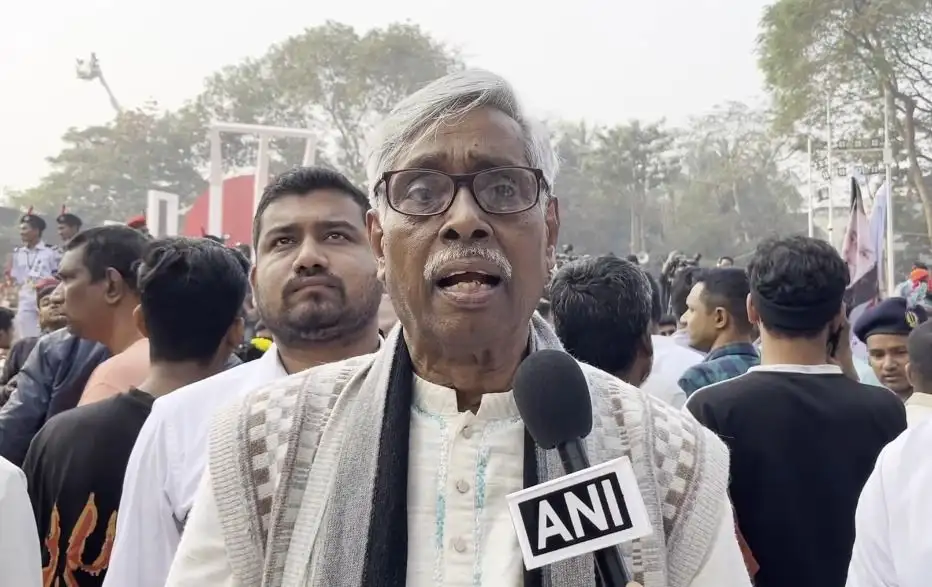
"The Pakistani rulers were forced to recognize Bengali as the state language." - Article 4
The Enduring Legacy of Ekushey
The sacrifices made on February 21st, 1952, have left an indelible mark on Bangladesh's national consciousness. The Language Movement is widely seen as a foundational event that fostered a sense of unity and national identity among Bengalis.
Read More: St. Augustine's ideas on justice help explain US politics
National Identity: Language is seen as a vital tool through which a nation expresses its collective memory, aspirations, and cultural narratives. The movement underscored that language is central to national identity, serving as a force for resistance and preservation.
Beyond Linguistic Demands: While the initial demand was for linguistic recognition, the movement evolved into a broader struggle for political sovereignty, cultural autonomy, and democratic rights.
Path to Independence: Many scholars view the Language Movement as a crucial precursor to Bangladesh's eventual independence, planting the "seed of Bangladesh" as some articles suggest.
Global Recognition: February 21st is now celebrated worldwide as International Mother Language Day, acknowledging the importance of linguistic diversity and the right to preserve one's mother tongue.
"The importance of February 21 and the language movement goes far beyond the fight for linguistic recognition. This day is not merely a historical commemoration, it embodies the relentless struggle of the Bangalees to preserve their linguistic and cultural identity." - Article 5
Commemoration and Cultural Observance
Each year, the anniversary of the Language Movement is observed with deep reverence across Bangladesh and by Bengali communities worldwide.
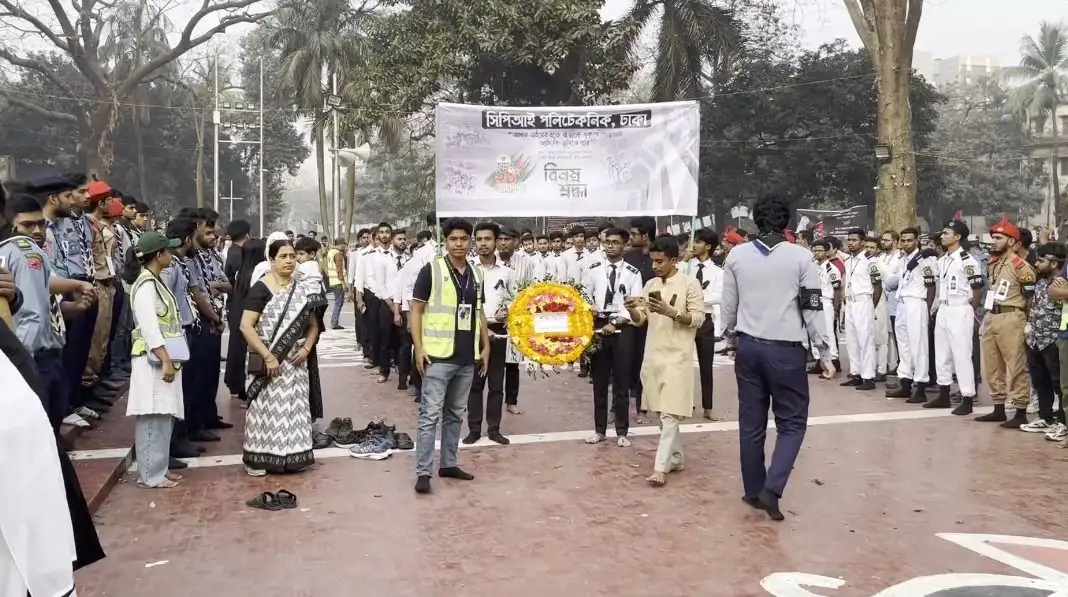
National Holiday: February 21st is a public holiday in Bangladesh, marked by nationwide ceremonies.
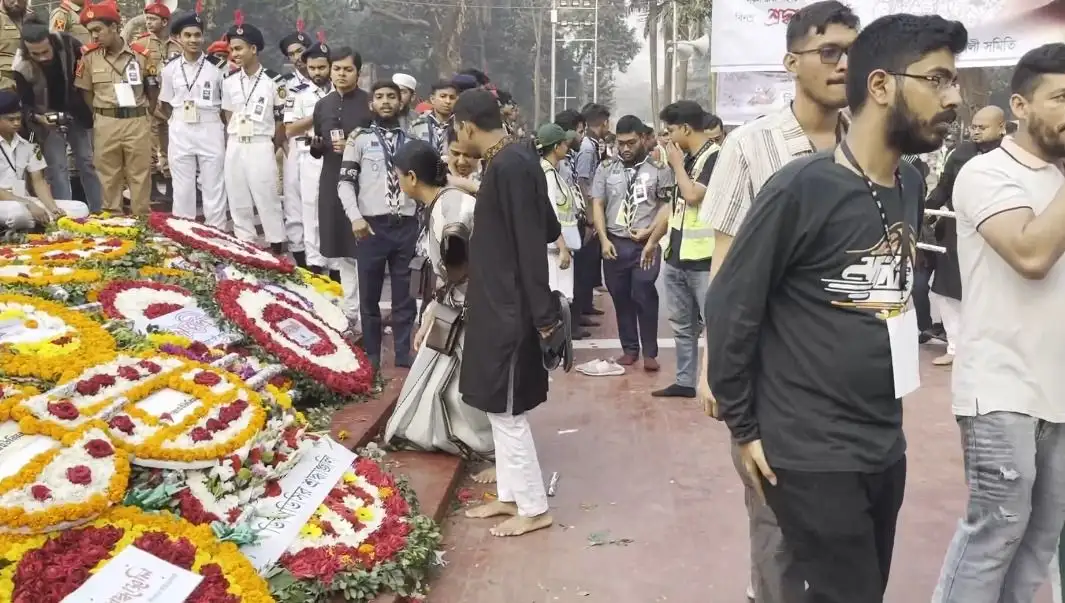
Tributes: People lay wreaths at monuments, particularly the Shaheed Minar (Martyrs' Monument), in solemn tribute to the language martyrs.
Cultural Events: The Amar Ekushey Book Fair, held annually in February, is a significant cultural event celebrating Bengali literature and the spirit of the Language Movement. New books are released, and discussions on language and culture take place.
Unity: The observance of Ekushey often highlights a sense of national unity, bringing people together to honor the sacrifices of the past.
"The nation has united to reverently honor the supreme sacrifice of the language martyrs who laid down their lives to uphold the dignity of the mother tongue, Bangla." - Article 2
Expert Perspectives
The Language Movement's impact is consistently described as far-reaching, influencing national identity and political consciousness.
Language is viewed as a "dynamic force that not only shapes but also resists efforts to displace it, preserving the integrity of cultural and political identity." - Article 1
The movement is credited with demonstrating the "power of language in shaping national identity and the sacrifices made to protect cultural heritage." - Article 5
It is characterized as a pivotal event that "played a crucial role in the country's struggle for independence." - Article 4
Conclusion and Implications
The Language Movement of 1952 remains a cornerstone of Bangladesh's national narrative. The events of February 21st are a powerful reminder of the intrinsic connection between language, identity, and the pursuit of self-determination. The annual observances serve to educate new generations about the sacrifices made and reinforce the value of cultural heritage. The international recognition of this day further amplifies its significance, promoting linguistic diversity and respect for mother tongues globally. The movement's legacy continues to inform ongoing discussions about cultural preservation and national sovereignty.
Sources Used:
Article 1: The impact of the language movement on our national psyche - Published: Feb 20, 2025 - Link: https://www.thedailystar.net/supplements/amar-ekushey-2025/news/the-impact-the-language-movement-our-national-psyche-3829631
Article 2: Bangladesh unites to pay solemn tribute to Language Movement martyrs - Seen on: Bing - Link: https://www.dhakatribune.com/bangladesh/374357/nation-unites-to-pay-solemn-tribute-to-language
Article 3: 21st February: Seed of Bangladesh - Published: Feb 20, 2025 - Link: https://www.tbsnews.net/thoughts/21st-february-seed-bangladesh-1073766
Article 4: Bangladesh pays tributes to heroes of historic language movement - Seen on: Bing - Link: https://www.aninews.in/news/world/asia/bangladesh-pays-tributes-to-heroes-of-historic-language-movement20250221142543/
Article 5: International Mother Language Day and its enduring legacy - Published: Feb 20, 2025 - Link: https://thefinancialexpress.com.bd/editorial/international-mother-language-day-and-its-enduring-legacy
Article 6: Ekushey February: A Legacy of Language and Unity — UCL Asiatic Affairs - Published: Feb 8, 2025 - Link: https://www.uclasiaticaffairs.com/news-blog/ekushey-february
Article 7: Bangladesh International Mother Language - Dawn Christine Simmons - Published: Feb 23, 2025 - Link: https://www.dawncsimmons.com/bangladesh-international-mother-language/