New findings have reignited the long-standing debate about the Shroud of Turin, with recent studies presenting conflicting evidence regarding its authenticity as the burial cloth of Jesus Christ. While some research suggests the cloth's origins align with the first century, other analyses, particularly those employing 3D modeling, propose the image was created using a medieval artistic technique, possibly involving a sculpture. This ongoing scientific and historical discussion draws attention to one of the world's most revered, yet debated, religious artifacts.

Historical Context of the Shroud of Turin
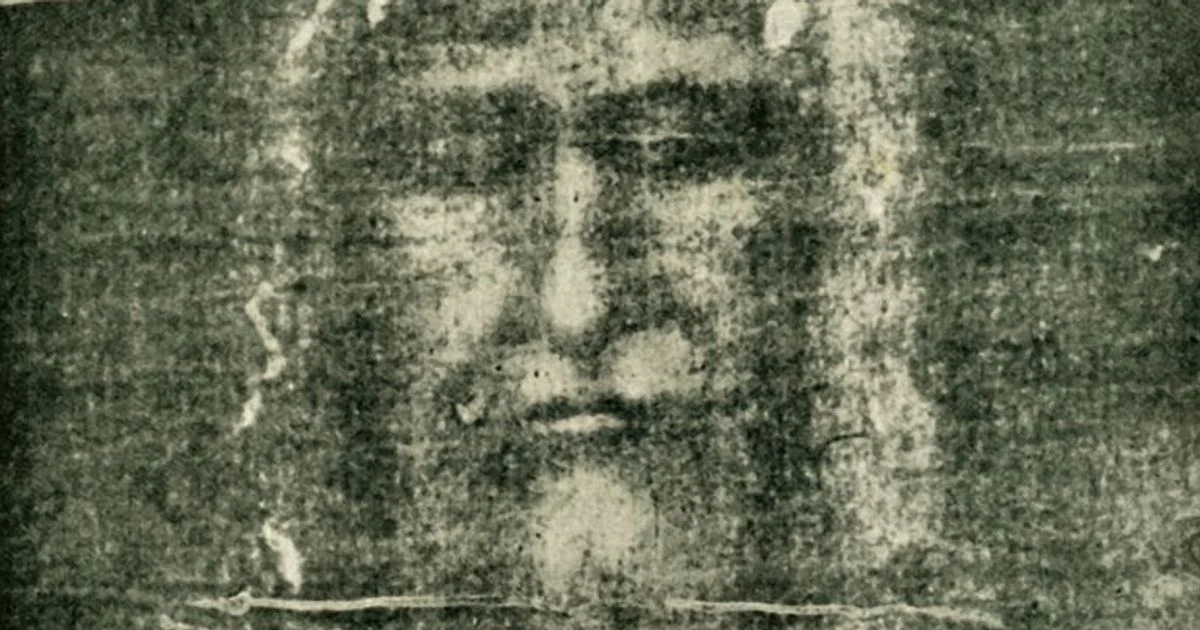
The Shroud of Turin, a linen cloth bearing the faint image of a man believed by many to be Jesus Christ, has been a focal point of veneration and scientific inquiry for centuries.

Believers hold that the image was imprinted on the cloth after Jesus' crucifixion.
The shroud is one of the most treasured ancient artifacts, attracting numerous visitors to Turin, Italy.
It is only publicly displayed on special occasions at the Cathedral of St. John the Baptist in Turin.
Historically, radiocarbon dating conducted in the 1980s placed the shroud's origins between 1260 AD and 1390 AD, leading many to conclude it was a medieval forgery.
Recent Scientific Analyses and Findings
A series of recent studies have introduced new data and analytical methods, intensifying the debate surrounding the shroud's age and origin.
Read More: Penrith NRL Team Has Best Start in History, English Town Focuses on History
The Case for a Medieval Origin
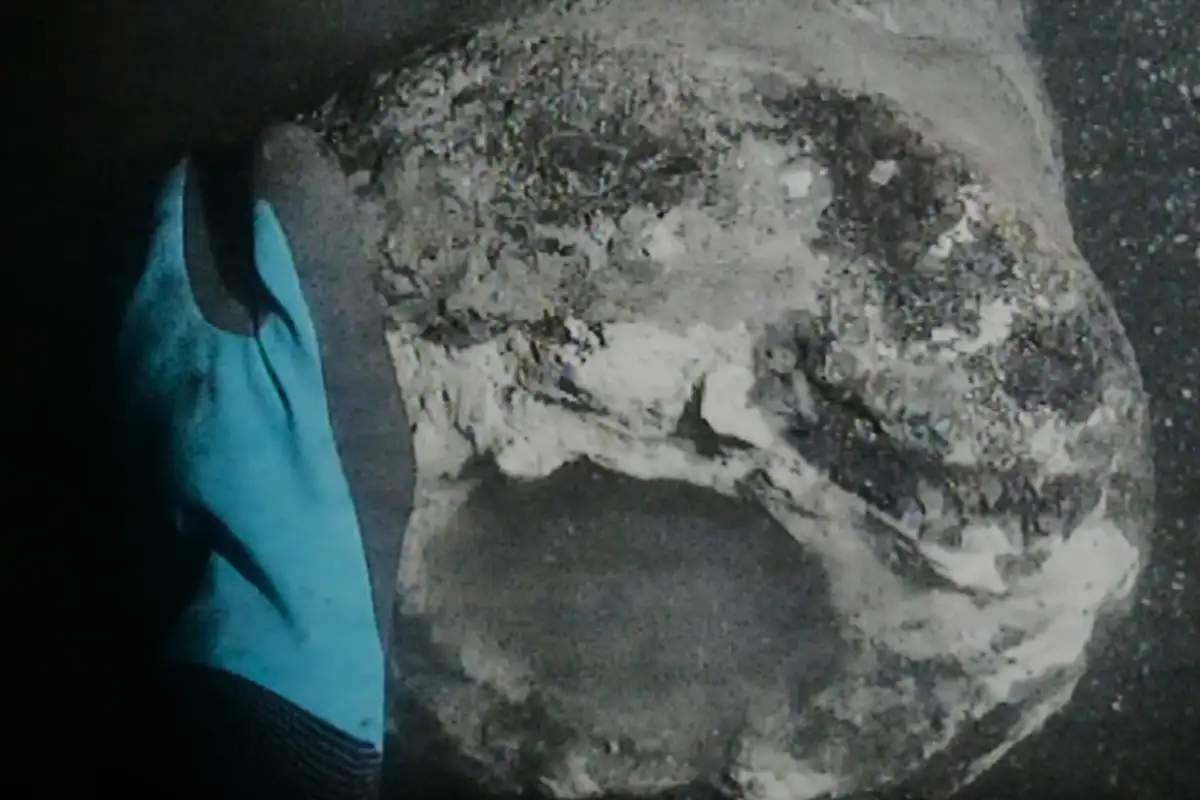
3D Modeling Evidence: Several studies, notably those conducted by Cícero Moraes, utilize 3D modeling to analyze the formation of the image on the shroud. These analyses suggest that the image's characteristics are more consistent with a cloth draped over a low-relief sculpture rather than a human body.
Research published in Archaeometry indicated that the cloth was wrapped around a sculpture.
Moraes's digital tests showed that draping a cloth over a 3D human model produced a warped image, unlike the one found on the shroud.
Conversely, an imprint from a low-relief sculpture closely matched the shroud's shape and dimensions, a common artistic practice in medieval Europe.
These findings are presented as scientific observations that question the possibility of a natural imprint from a deceased body.
Discovery of Medieval Documents: A newly discovered medieval document, detailed in a new study, is described as offering compelling and the oldest evidence that the Turin Shroud is "clerical fraud." This document reportedly provides an unusually detailed account of such deception.
The Case for First-Century Authenticity
Linen Thread Analysis: Countering previous dating methods, some Italian scientists have presented evidence suggesting the Shroud of Turin may indeed be Jesus Christ's burial cloth. A new study, published in the journal Heritage, used X-rays to inspect linen threads from the shroud, tracing its origin back to the time of Jesus, approximately 2,000 years ago.
This research directly challenges the medieval dating from earlier controversial studies.
While this study dates the cloth to Jesus's time, it falls short of definitively concluding it was his burial shroud.
Biblical Parallels: Proponents of the shroud's authenticity point to details on the cloth that align with biblical accounts of Jesus's suffering.
The man depicted has markings corresponding to the crucifixion, including thorn marks on his head and lacerations on his back.
Researchers have compared the shroud's cellulose degradation with linens discovered in Israel dating back to the first century.
Challenges to the Image Formation Theory
Even among those who question the shroud's authenticity, the exact mechanism by which the image was formed remains a point of discussion and disagreement.
Disputed 3D Modeling: While Cícero Moraes's 3D modeling work has been cited as evidence for a sculptural origin, some specialists have raised objections.
Tristan Casabianca, Emanuela Marinelli, and Alessandro Piana contend that Moraes's digital modeling contains errors and overlooks features that make the relic difficult to explain.
They argue that these overlooked aspects undermine claims that a medieval French artist could have conceived and created such an image, particularly one of a naked, front-and-back, post-crucifixion Christ, a scene considered virtually unheard of in medieval Western art.
Expert Commentary and Interpretation
The scientific community offers various perspectives on the ongoing Shroud of Turin research.
"This case gives us an unusually detailed account of clerical fraud." - Unnamed researcher commenting on a newly discovered medieval document (Euronews)
"Previous radiocarbon dating places its origins at the end of the 13th or 14th century, and a 3D analysis recently published in the journal Archaeometry concluded the cloth had been wrapped around a sculpture, rather than Jesus' body." (Newsweek)
"His findings do not disprove a religious interpretation but offer a scientific view of one of the world’s most enigmatic religious relics." (Archaeology Magazine on Cícero Moraes's work)
"The latest research could still help historians test their hypothesis about the shroud’s origins." (The Independent on new dating research)
Conclusion and Implications
The recent influx of evidence presents a complex and often contradictory picture of the Shroud of Turin's origins.
Conflicting Timelines: While some studies, using methods like X-ray analysis of linen threads, propose a first-century origin, other research, particularly 3D modeling and newly discovered medieval documents, points towards a medieval creation, potentially involving a sculpture and "clerical fraud."
Methodological Debates: The validity and interpretation of 3D modeling techniques in reconstructing image formation are subject to scrutiny, with some experts identifying potential errors and overlooked features.
Enduring Mystery: Despite decades of scientific investigation and the introduction of new technologies and documentary evidence, the Shroud of Turin continues to elude definitive classification. The debate remains active, with each new finding adding layers to the enigma.
Future Avenues: Further comparative studies of cellulose degradation with verifiable first-century linens, alongside more detailed textual analysis of newly discovered documents, may be crucial in resolving the conflicting timelines. Independent verification of the 3D modeling methodologies used by researchers like Cícero Moraes, and the response of specialists to these critiques, will also be significant.
Sources Used:
Euronews: Newly discovered document adds evidence that the Shroud of Turin is fake. Published August 29, 2025. https://www.euronews.com/culture/2025/08/29/newly-discovered-document-adds-evidence-that-shroud-of-turin-is-not-jesus-crucifixion-shro
Newsweek: Discovery reveals we've been debunking the Shroud of Turin for 650 years. Published August 29, 2025. https://www.newsweek.com/archaeology-bible-jesus-shroud-turin-650-years-debunk-2121470
Popular Mechanics: Believers See Jesus’s Face in the Shroud of Turin. A Study Now Says It’s Something Else. Published February 11, 2026. https://www.popularmechanics.com/science/a70314108/jesus-shroud-of-turin-study/
The Archaeologist: New Findings Reinforce the Authenticity Debate of the Turin Shroud. Published August 22, 2024. https://www.thearchaeologist.org/blog/new-findings-reinforce-the-authenticity-debate-of-the-turin-shroud
Irish Times: New evidence for the authenticity of the Shroud of Turin. Published December 19, 2024. https://www.irishtimes.com/science/2024/12/19/new-evidence-for-the-authenticity-of-the-shroud-of-turin/
The Mirror: New twist in the battle over the origin of the Turin Shroud. Published February 10, 2026. https://www.mirror.co.uk/news/technology-science/science/new-twist-battle-over-origin-36699731
All That's Interesting: New Evidence Proves That The Shroud Of Turin Wasn’t Draped Over The Body Of Jesus — Only A Statue. Published August 6, 2025. https://allthatsinteresting.com/shroud-of-turin-new-evidence
The Independent: Turin Shroud may actually be Jesus’s burial cloth, new study suggests. Published August 25, 2024. https://www.independent.co.uk/news/science/archaeology/jesus-christ-shroud-of-turin-b2601565.html
Archaeology Magazine: 3D analysis reveals Shroud of Turin image likely came from sculpture, not Jesus’ body. Published August 3, 2025. https://archaeologymag.com/2025/08/shroud-of-turin-image-came-from-sculpture/