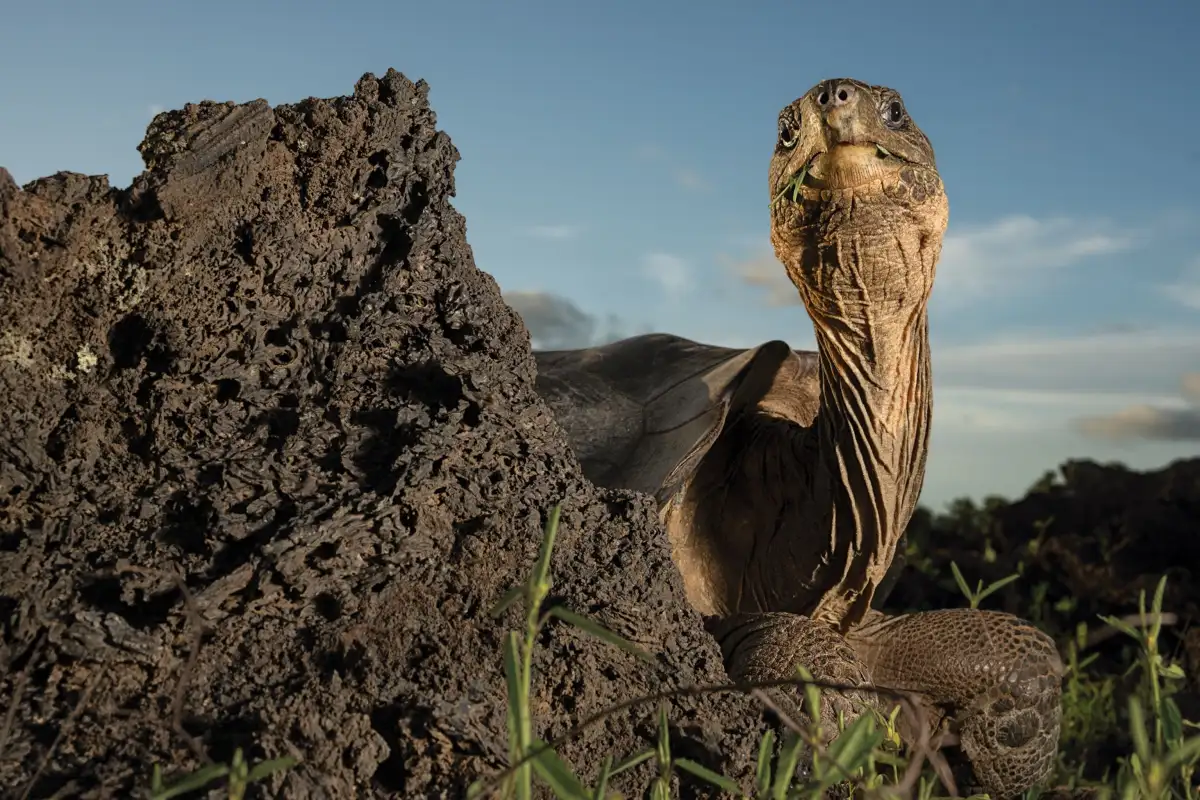
Almost 200 years after they vanished, giant tortoises tied to the Floreana Island lineage are being brought back. This effort is a significant step in restoring the island's natural balance, which has been disrupted by the species' absence. The return aims to heal the ecosystem and reintroduce a key player that influences plant life and seed dispersal. The initiative is part of a larger project to bring back giant tortoises across the Galápagos archipelago.
Background of Floreana Tortoise Extinction and Rediscovery
The Floreana giant tortoise was once a prominent inhabitant of Floreana Island. Its disappearance in the mid-19th century, around the time of Charles Darwin's visit, marked the loss of a unique species from its ancestral home.
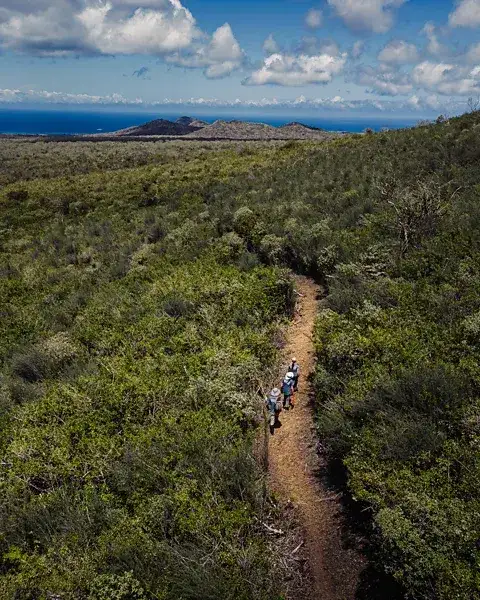
The last wild Floreana giant tortoise was noted in the 1850s.
Reasons for their decline are linked to historical exploitation, where tortoises were taken aboard ships.
Some tortoises ended up as castaways on other Galápagos islands, leading them to interbreed with different local subspecies.
For nearly two centuries, the pure Floreana lineage was thought to be lost forever.
More recently, scientists found genetic traces of the Floreana tortoise, including individuals carrying Floreana genes, and others with genes from the Española tortoise. This led to a scientific breakthrough in understanding their survival.
A centennial birth in Philadelphia saw a 100-year-old giant tortoise give birth to four offspring, highlighting the potential for the species' continuation, though these were part of a broader group rather than specifically identified as Floreana lineage.
The Effort to Bring Back the Floreana Tortoise
The reintroduction of the Floreana tortoise is a complex, multi-year project involving various organizations and scientific expertise.
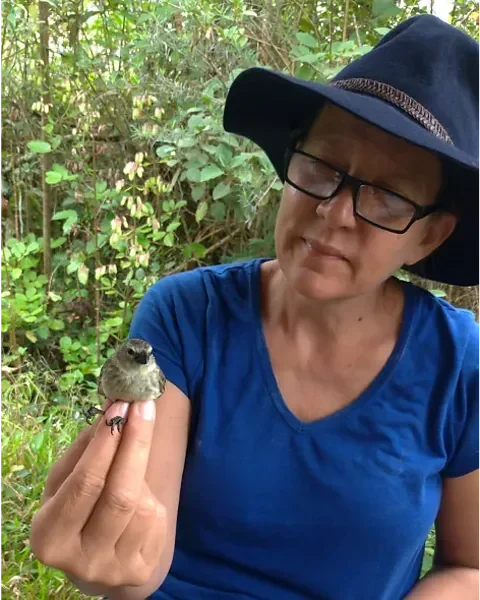
Galápagos National Park Directorate and Galápagos Conservancy are leading the effort, in collaboration with partners like the NASA Science mission.
A painstaking breeding program has been underway at the National Park's breeding center on Santa Cruz Island.
Genetic analysis played a crucial role in identifying individuals with Floreana lineage. Initially, some genetic sequences could not be matched to any living tortoise species.
The project also involves understanding tortoise behavior, such as their movements between feeding and nesting areas, which can span miles.
158 giant tortoises, carrying the Floreana lineage, have been released at two sites on Floreana Island. This marks a historic moment, being the first time in over 150 years that these tortoises will inhabit their ancestral island.
Ecological Impact and Ecosystem Restoration
The absence of the Floreana giant tortoise has had a noticeable impact on the island's ecosystem. Their return is expected to help restore ecological balance.
Read More: Orangutan Mothers Plan Playdates for Babies in Borneo
Giant tortoises are known to be vital for the health of island ecosystems. Their presence influences plant life and aids in seed dispersal.
The delicate balance of Floreana's ecosystem collapsed without the tortoises, leading to the decline of native species.
Restoring the tortoises is seen as a way to help Floreana "breathe and heal once more."
On other islands, the reintroduction of giant tortoises has led to ecosystems flourishing due to their presence.
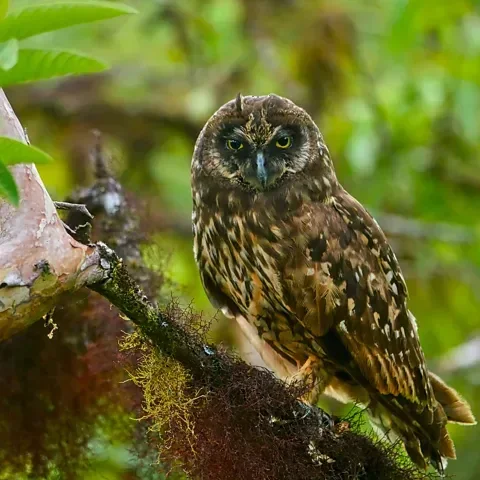
The reintroduction is also linked to the return of other species, such as the barn owl, although considerations exist regarding potential competition with existing endemic species.
Challenges and Future Prospects
The path to reintroducing the Floreana tortoise has not been without its difficulties, and ongoing challenges remain.
Some individuals involved in the breeding program are genetically compatible hybrids, suggesting that purebred individuals may be rare or exceptionally difficult to locate.
Concerns exist about the potential for reintroduced species to compete with endemic species already present on Floreana.
Control of invasive species, such as Philornis downsi, is also a critical factor for the success of the reintroduction.
The project requires understanding the specific habitat needs of the tortoises, including identifying water sources and suitable nesting areas.
The long-term goal is for the Floreana tortoise population to return naturally over time, once the ecosystem is sufficiently restored.
Key Organizations Involved:
Galápagos National Park Directorate: Responsible for park management and conservation efforts.
Galápagos Conservancy: A partner organization supporting conservation initiatives.
NASA Science: Provides support, possibly through technological or scientific expertise.
Island Conservation: Focuses on the reintroduction of various species to islands.
Key Species Mentioned:
Floreana Giant Tortoise (Chelonoidis niger phenyli lineage)
Española Tortoise (Chelonoidis hoodensis)
Barn Owl (Tyto alba)
Floreana Mockingbird (Mimus trifasciatus)
Darwin's Finch (various species)
Grey Warbler Finch (Certhidea fusca)
Sources Used:
NASA Science: "NASA Is Helping Bring Giant Tortoises Back to the Galápagos" - Published: 21 hours ago. https://science.nasa.gov/earth/nasa-is-helping-bring-giant-tortoises-back-to-the-galapagos/
Galapagos Conservation Trust: "The return of the Floreana giant tortoise" - Published: Jan 12, 2026. https://galapagosconservation.org.uk/floreana-giant-tortoise-reintroduction/
Galápagos Conservancy: "Floreana: The Eden That Breathes Again" - Published: Aug 28, 2025. https://www.galapagos.org/newsroom/floreana-the-eden-that-breathes-again/
National Geographic: "Resurrecting the lost giants of the Galápagos" - Published: Aug 13, 2025. https://www.nationalgeographic.com/animals/article/galapagos-floreana-tortoises-darwin
BBC: "'After 200 years, we're seeing this species again': The lost birds making a comeback in the Galapagos Islands" - Published: Dec 27, 2025. https://www.bbc.com/future/article/20251227-the-lost-birds-making-a-comeback-in-the-galapagos-islands
Discover Wildlife: "Return of the giant: how the Galápagos tortoise is being brought back from extinction" - Published: Jan 11, 2025. https://www.discoverwildlife.com/holidays-days-out/travel-planner/how-the-galapagos-tortoise-is-being-brought-back-from-extinction
Noticias Ambientales: "Giant Galapagos Tortoises: Genetic Restoration and Conservation Hope for an Endangered Species" - Published: Oct 2, 2025. https://noticiasambientales.com/animals/giant-galapagos-tortoises-genetic-restoration-and-conservation-hope-for-an-endangered-species/
Galápagos Conservancy: "From Extinction to Hope: Restoring the Tortoises of Galápagos" - Published: Aug 18, 2025. https://www.galapagos.org/newsroom/restoring-giant-tortoises/
Island Conservation: "12 missing species set to return to Floreana, Galápagos" - Published: Oct 17, 2023. https://www.islandconservation.org/12-galapagos-species-for-floreana/