Scientists find hidden records in sea turtle shells, offering glimpses into past oceanic stresses.
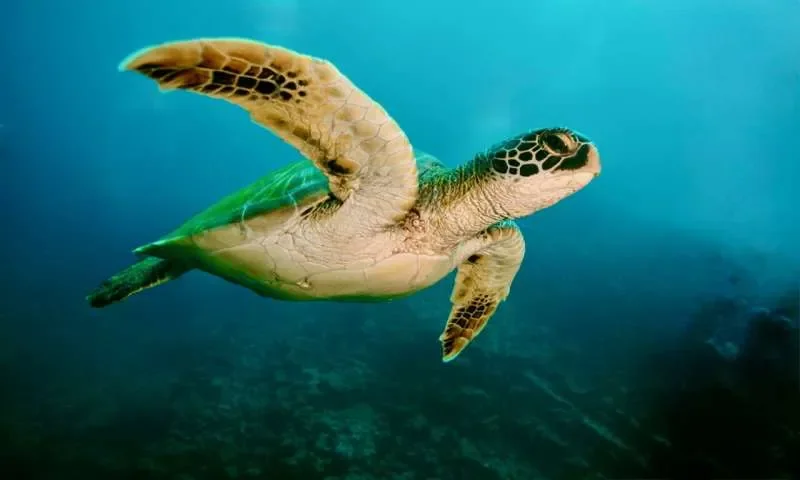
Using techniques borrowed from archaeology and climate science, researchers have found that sea turtle shell plates act as biological archives, documenting significant environmental shifts in the oceans. The study, published in Marine Biology, shows that these shell layers, each representing several months of growth, can be dated. This allows scientists to connect changes in shell growth rates to specific past environmental events, spanning months and years.
The analysis focused on loggerhead and green turtles, revealing periods where multiple turtles simultaneously exhibited slower growth, indicating a physiological response to widespread environmental stressors. This repurposing of dating and climate reconstruction methods provides a new window into the lives of long-lived, often elusive marine creatures. Observing their life histories directly is notoriously difficult due to their extended lifespans and time spent in the open ocean.
Read More: Tohorā Diet Study Boosted by New Zealand Beach Find
A New Chronology for Marine Life
Researchers adapted methods typically used for dating ancient artifacts and reconstructing climate records from ice cores to examine sea turtle shells. This interdisciplinary approach combines archaeological geochemistry with marine biology. The findings suggest that the chemistry of the shell scutes can serve as a potent 'forensic tool' for reconstructing past marine ecosystem health.
The study highlights that young turtles in the open ocean, for instance, showed slower growth patterns. The average growth rate varied among individual turtles, with some laying down shell material more rapidly than others. However, the identification of simultaneous slowdowns across multiple individuals points to broader environmental influences impacting turtle physiology.
Background: The Challenge of Long-Term Marine Study
For decades, studying the long-term habits and health of sea turtles has presented a significant challenge. Their migratory nature and the vastness of their oceanic habitats make direct, continuous observation an arduous task. This new methodology, detailed in publications including Phys.org and Earth.com, offers a way to retrospectively understand how these marine animals have experienced changes in their environment.
Read More: Sea Squirts' Sticky Secret Could Help Grow Ocean 'Sea Forests'
The implications of this research extend to marine conservation efforts and ecosystem management strategies, providing a more granular understanding of past oceanic conditions and their impact on marine life.