Aggressive Algae Faces Unexpected Predator in Northwestern Islands
First-time observations document Hawaiian green sea turtles actively consuming an invasive red alga, Chondria tumulosa, in the Papahānaumokuākea Marine National Monument. This phenomenon, noted in the northernmost atolls, presents a potential natural check on the spread of the problematic seaweed, which has researchers concerned about its expansion into the main Hawaiian Islands.
The groundbreaking research, a collaboration between the University of Hawaiʻi at Mānoa and the U.S. Fish and Wildlife Service, points to the turtles, known locally as honu, as a possible bulwark against the encroaching alga. This finding emerged from recent UH Mānoa studies.
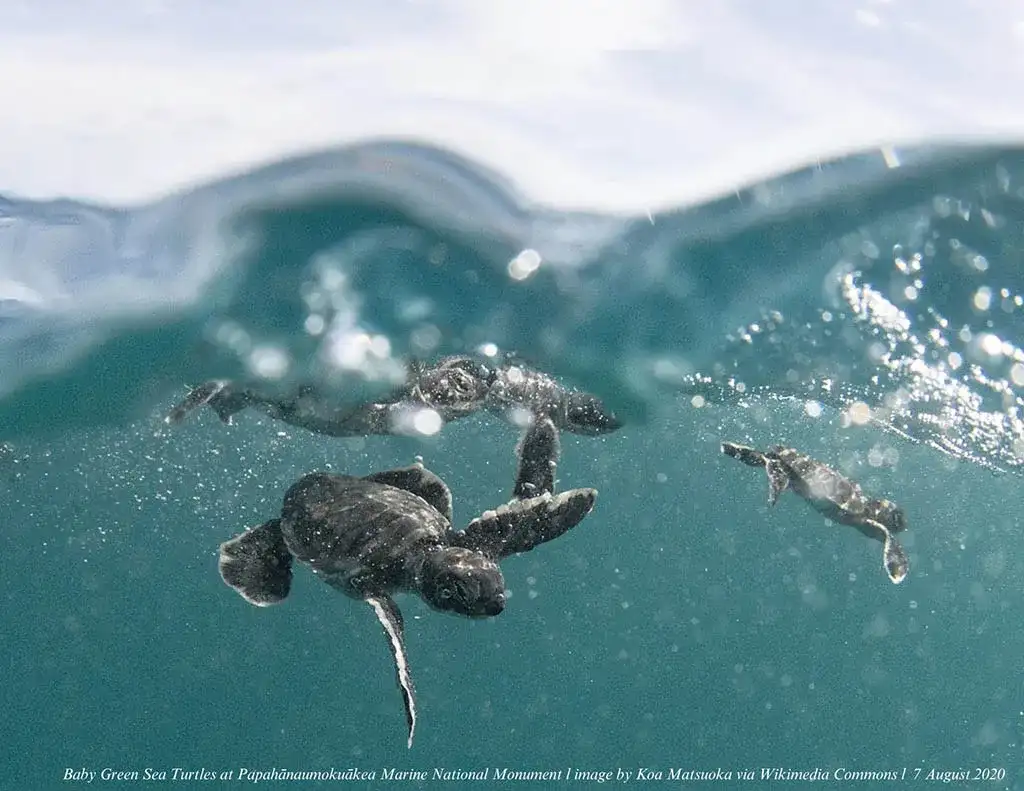
Turtles: A Familiar Sight, A New Role
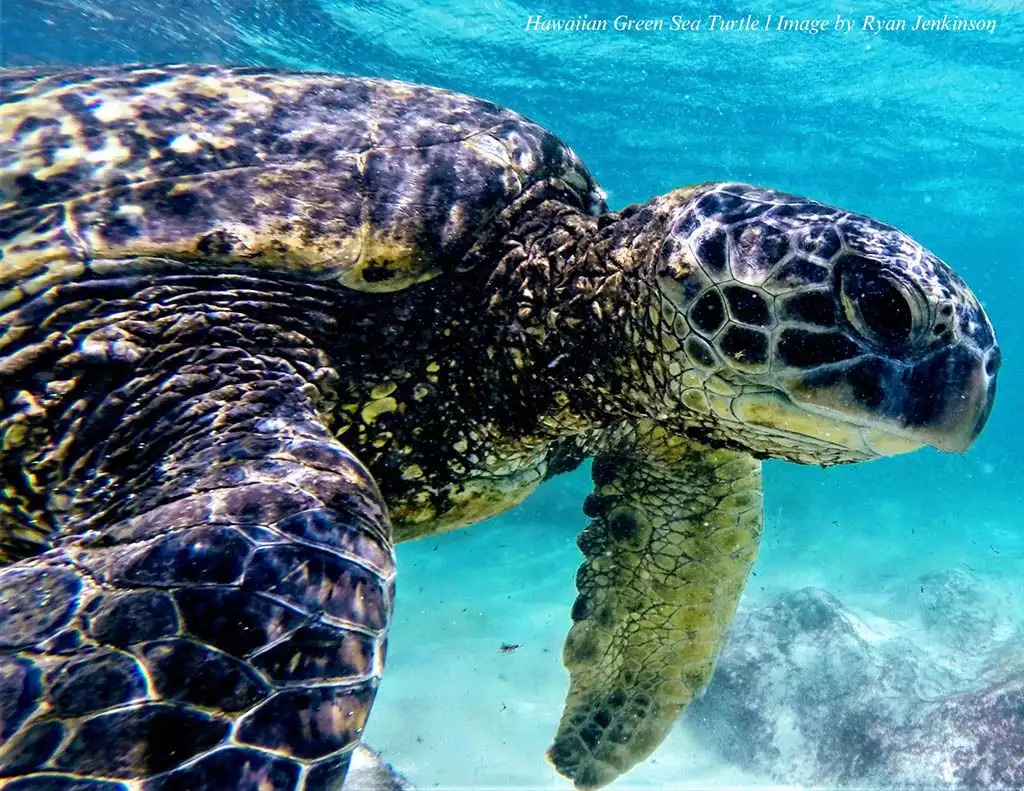
Hawaiian green sea turtles are a familiar presence in Hawaiian waters, most commonly seen feeding on algae in shallow coastal areas. These large, hard-shelled turtles, scientifically named Chelonia mydas, are a native species and are among the most frequently encountered sea turtles in the islands.
Read More: Tohorā Diet Study Boosted by New Zealand Beach Find
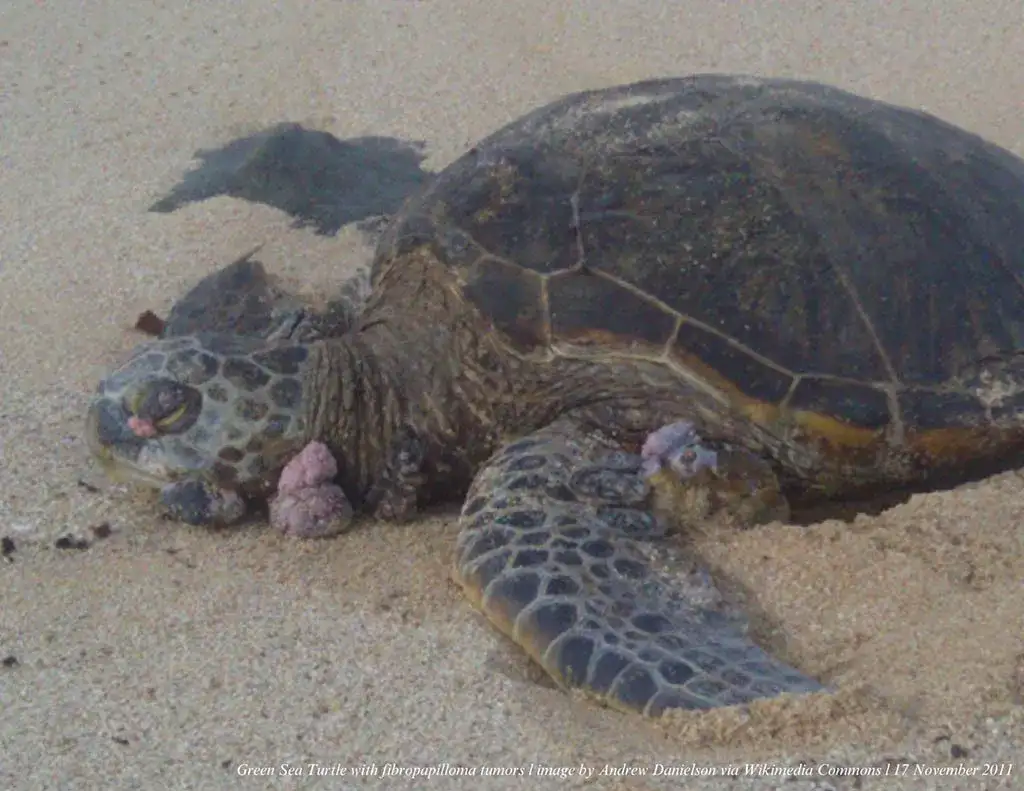
Historically, honu have held cultural significance, appearing in Hawaiian mythology as creators and revered as 'aumākua, or spiritual guardians. They are also a federally protected species, listed as threatened under the U.S. Endangered Species Act. Some populations are even considered endangered in Hawaiian waters.
Ecological Dynamics and Conservation Concerns
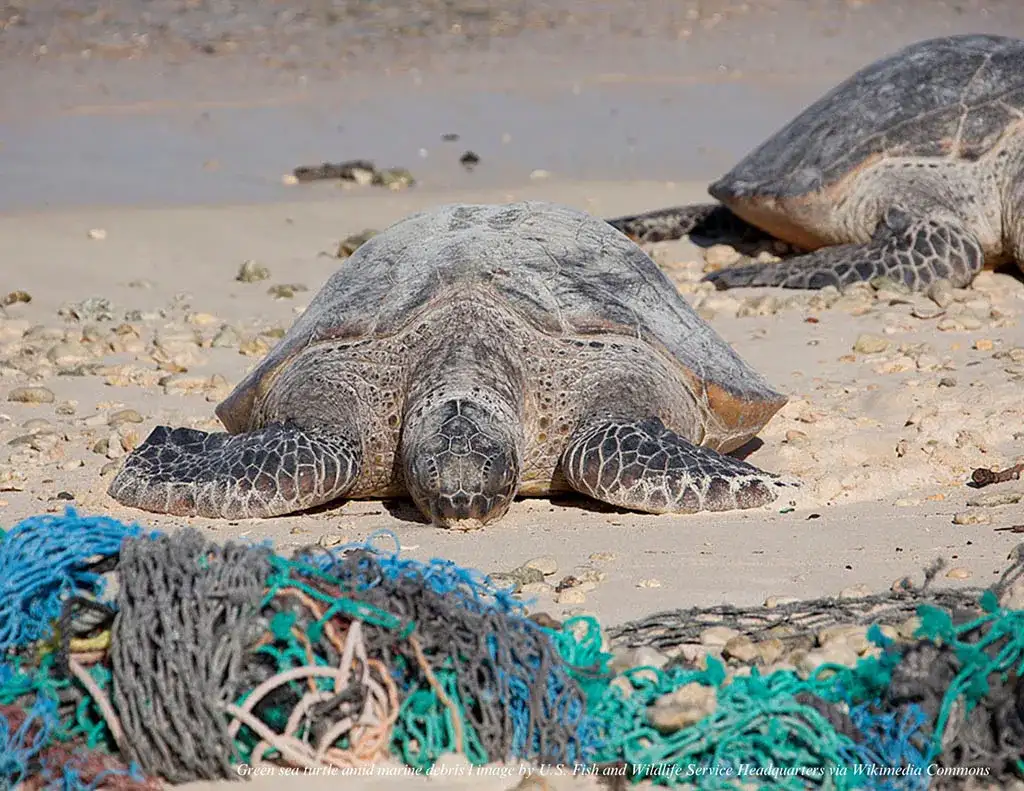
The Chondria tumulosa invasion poses a significant threat to existing reef ecosystems. Its aggressive nature and rapid spread have alarmed marine scientists. While the honu's grazing on this specific invasive species is a novel observation, their general diet consists of algae. This behavior has likely contributed to their calm demeanor when encountered by snorkelers and divers.
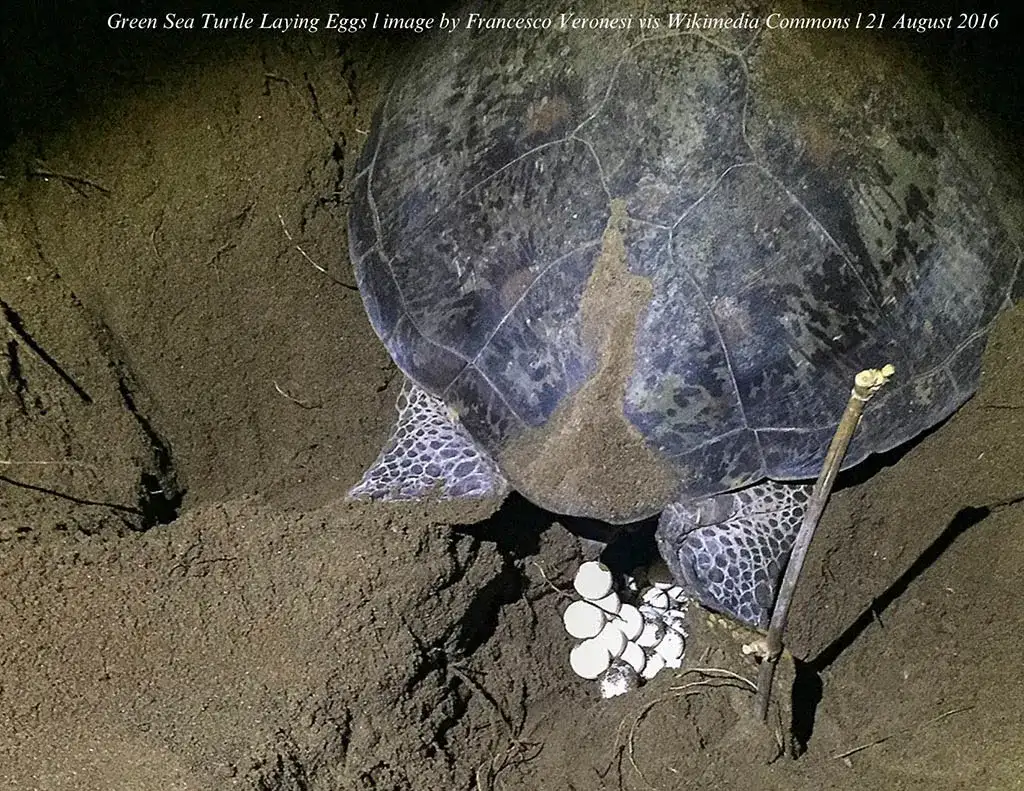
Beyond this new ecological role, green sea turtles face numerous conservation challenges. Their life cycle is long, with females sometimes waiting several years between nesting seasons, and reaching sexual maturity can take around 20 years, with some individuals reaching 40 before their first mating. Efforts to protect these creatures are ongoing, including the designation of critical habitat areas.
Read More: Kash Patel Snorkel Trip at Pearl Harbor Last Summer Raises Conduct Concerns
Background:
Green sea turtles, one of seven species found globally, are the largest hard-shelled sea turtles. Their name refers to the color of their fat and cartilage, not their shell. In Hawaiʻi, they are not only a significant part of the marine ecosystem but also deeply embedded in cultural narratives and traditions. The Hawaiian Islands host one of eleven distinct populations of green sea turtles worldwide.