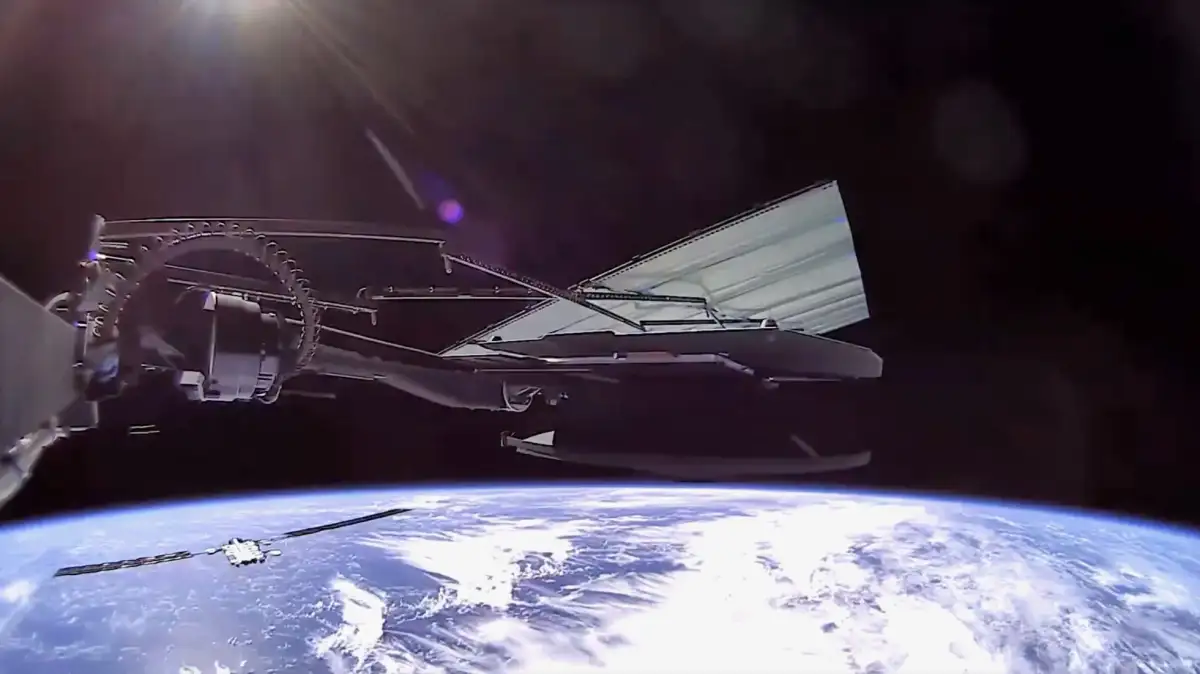
Scientists are sounding a discordant note regarding the unchecked proliferation of satellite megaconstellations, likening the ongoing expansion to an 'unregulated geoengineering experiment'. The sheer volume of launches, primarily driven by entities like SpaceX's Starlink, introduces significant quantities of pollutants into Earth's upper atmosphere. This persistent injection of exhaust gases, particularly soot, has raised concerns about its long-term environmental repercussions, effects that remain largely unstudied and unmitigated.
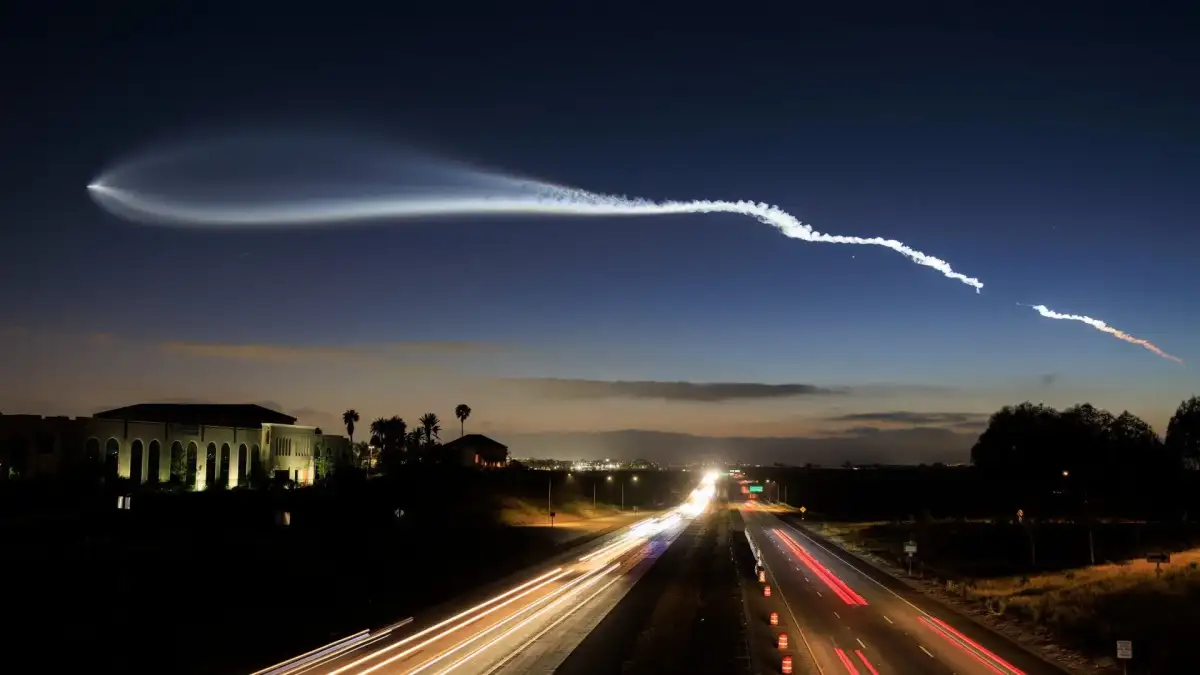
The accumulation of black carbon, or soot, from rocket launches into the upper atmosphere is of particular worry. This particulate matter lingers far longer than ground-based emissions, making it roughly 500 times more potent in influencing climate. While current impacts are deemed minor, experts caution that this could escalate into a serious, difficult-to-reverse problem if left unaddressed. The frequent launch and deorbiting cycles associated with these constellations, unlike older, long-duration missions, amplify the atmospheric burden.
Read More: Gamma Rays May Show Dark Matter, Scientists Debate
Escalating Launch Activity
The number of operational satellites orbiting Earth now exceeds 15,000, a figure expected to grow substantially. Companies like Amazon's Project Kuiper and China's Qianfan are also planning to deploy thousands of their own satellites, aiming for numbers comparable to Starlink's ambitious deployments. This rapid growth means a dramatic increase in annual rocket launches, a trend driven significantly by the demand for low-earth orbit internet services.

Atmospheric Perturbations and Unknowns
The exhaust from these launches deposits materials into the stratosphere and mesosphere, layers of the atmosphere where traditional pollution sources have little to no effect. Scientists are flagging that the consequences for Earth's atmosphere may be more far-reaching than initially understood, with complete effects remaining unclear. While some exhaust components, like soot, may have a temporary, mild cooling effect, the broader chemical and physical alterations to these atmospheric regions are not yet fully grasped. Furthermore, some launch providers utilize chlorine-containing solid rocket boosters, adding another layer of potential atmospheric contamination.
Read More: Chennai Organic Mangoes Cost More Due to Heatwaves in May 2026

Regulatory Gaps and Calls for Review
A significant point of contention is the apparent lack of comprehensive environmental oversight. Numerous scientists and researchers have called for formal environmental reviews for satellite megaconstellations, arguing that current regulations exempt most telecommunications projects, including satellites, from such assessments. A collective of over 100 space researchers has urged federal governments to pause new launches and conduct these reviews under existing environmental policy acts. Despite these concerns, regulatory bodies are currently evaluating potential harms while continuing to license new satellite deployments.
Beyond Atmospheric Concerns
The burgeoning satellite constellations also present challenges beyond atmospheric pollution. Astronomers express dismay over the increasing light pollution from thousands of satellites, which hinders astronomical observations and threatens the sanctity of radio astronomy. Additionally, the sheer density of satellites raises concerns about space debris and potential collisions, with spent satellites burning up in the atmosphere as fireballs of pollution or posing a risk if larger fragments survive re-entry. The short, roughly five-year lifespan of many of these satellites necessitates continuous replacement, perpetuating the launch and deorbit cycle.
Read More: New Copper Sensor CARD1 Helps Plants Detect Stress Today