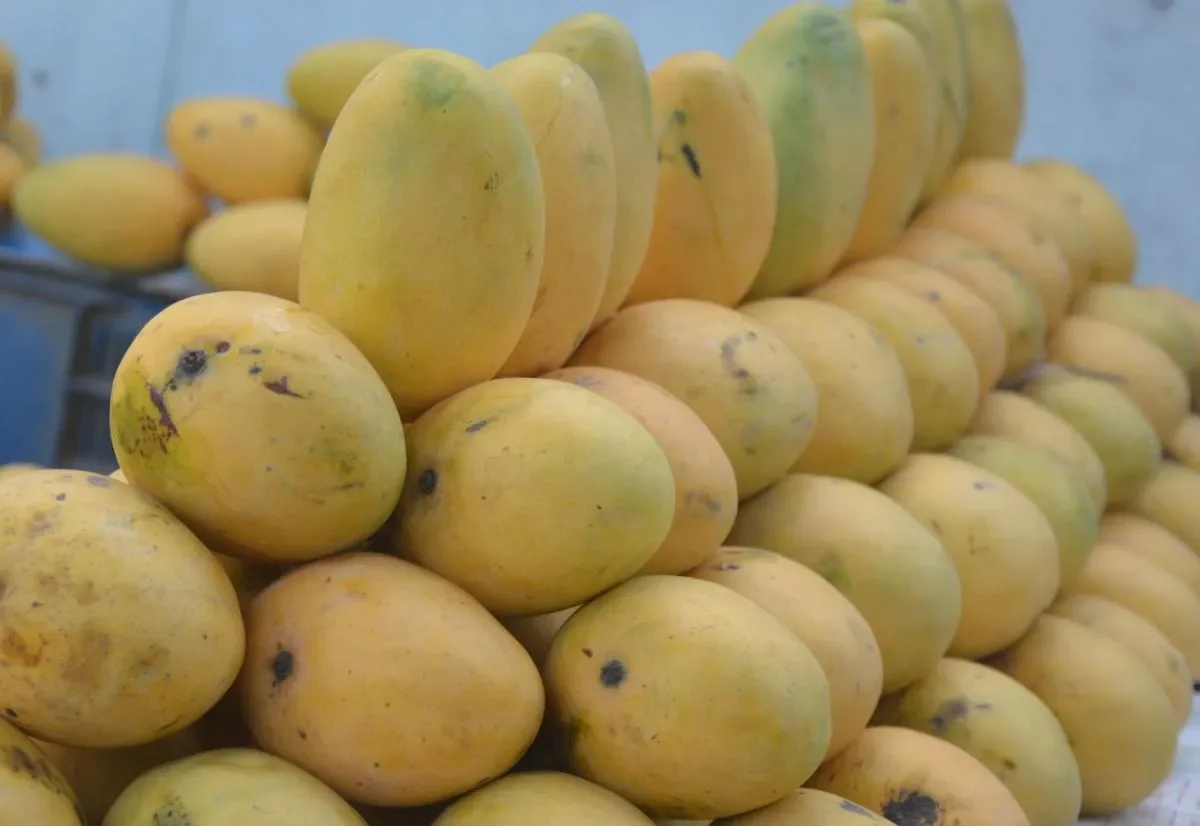
As Chennai endures another season of volatile thermal spikes, the local market for organic mangoes remains defined by a fragile equilibrium between ecological stress and consumer demand. Despite reports of delayed flowering and smaller fruit sizes caused by prolonged heatwaves, producers are shifting focus toward indigenous, tree-ripened varieties to maintain market viability.
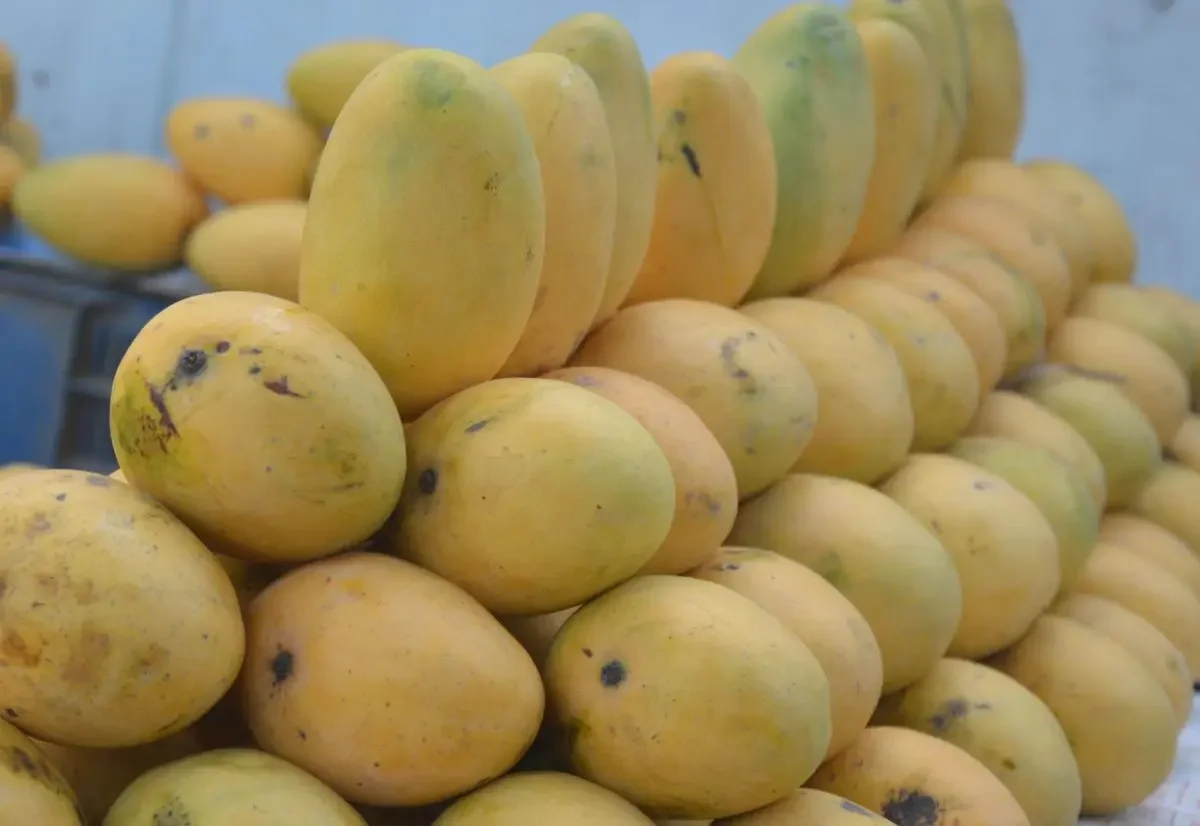
Current Sourcing Landscape
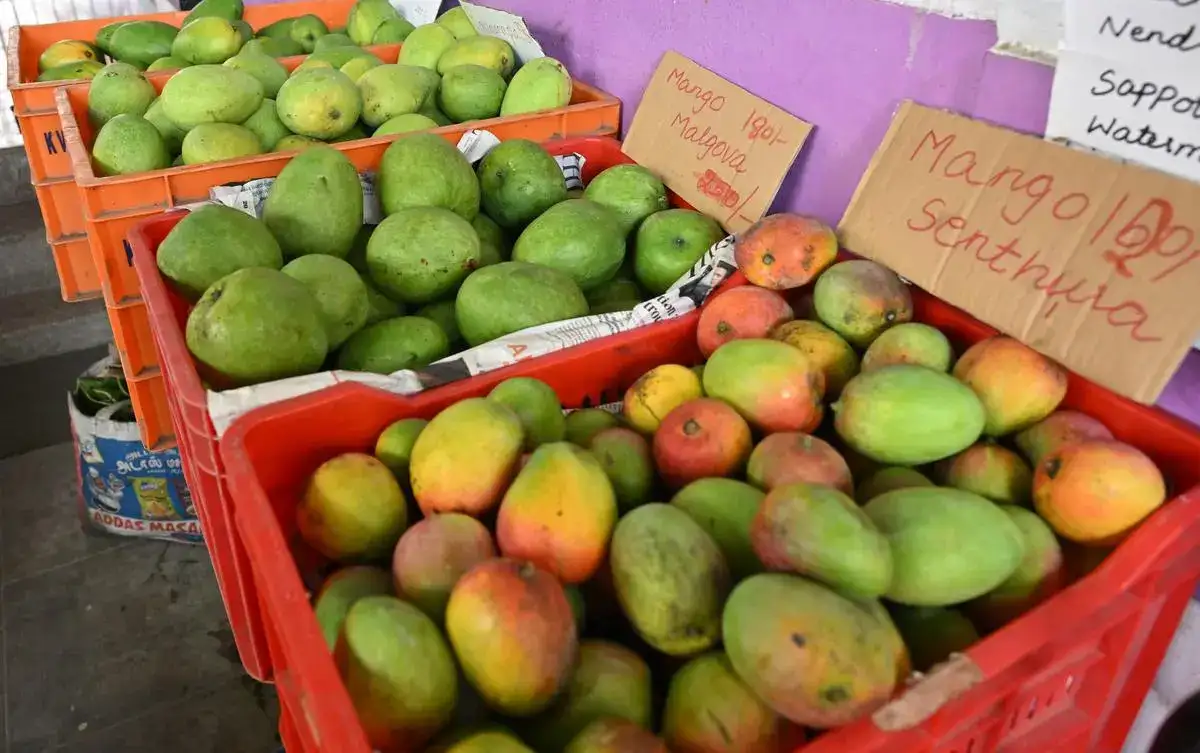
The supply chain in Chennai is currently fragmented across specialized organic hubs. Availability is shifting rapidly, with vendors emphasizing that demand for "native" varieties currently outpaces typical commercial stock.
| Hub / Retailer | Key Varieties | Focus |
|---|---|---|
| The Organic Shandy | Indigenous strains | Natural ripening / Direct farm links |
| Safe Foods | Banganapalli, Imam Pasand, Senthuram, Malgoa, Alphonso | Retail variety |
| reStore (Kottivakkam) | Diverse TN-sourced | Regional distribution |
| Organic Farmers Market (Adyar) | Mixed regional | Local organic network |
Ecological Pressures and Farming Realities
The production of organic mangoes in the region is currently grappling with a cycle of unpredictability. Persistent heat—ranging between 35°C and 45°C—has disrupted standard growth cycles, leading to significant yield dents for many growers.
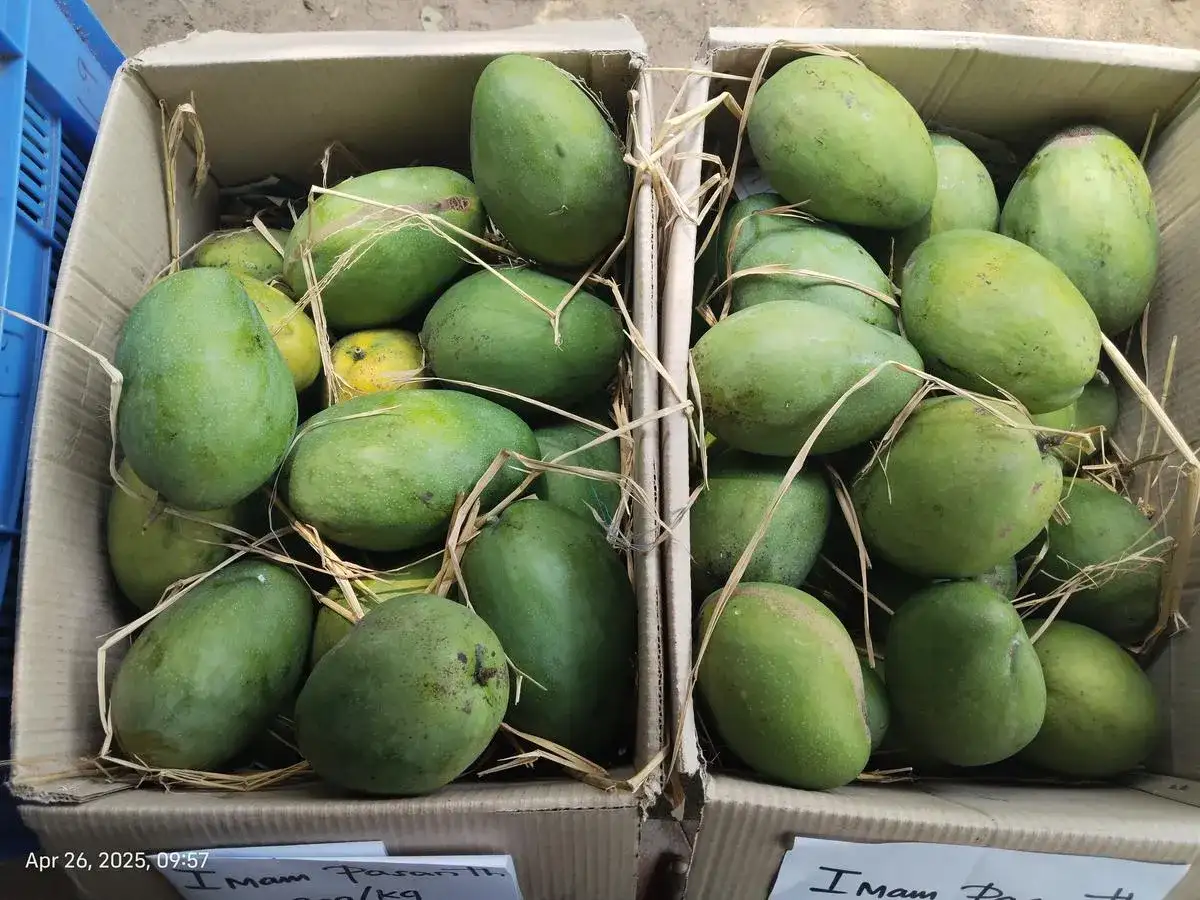
Farmers like PB Murali (co-founder of The Organic Shandy) note that this year marks a specific pivot toward native, resilient varieties. The strategy employed by high-end producers, such as Hanu Reddy Farms, focuses on "tree-ripening" as a quality standard—a process that resists the artificial gas-ripening common in mass-market fruit but leaves producers vulnerable to climate-induced rot and sudden heat damage.
Read More: Paella Recipe Updates: Bomba Rice and No Stir Rule
Background: The Volatility of Summer Yields
The relationship between Indian summer and mango harvest has shifted from a traditional seasonal cycle to an increasingly precarious logistical challenge. Historically, mango cultivation relied on predictable monsoon retreats and mild pre-summer transitions. Modern climate data, however, indicates that agricultural stress is becoming the baseline.
Yield Strains: Producers have reported irregular flowering and premature fruit drop across the state.
Logistical Response: To combat uncertainty, consumers are increasingly encouraged to utilize pre-order models through online platforms or niche farm-direct storefronts, as the supply is no longer stable enough for large-scale, automated retail replenishment.
For those seeking specific native varieties—such as Yaanathalai, Kalapadi, or Nadusalai—the scarcity remains high, with early booking now functioning as the only reliable mechanism for procurement.
:max_bytes(150000):strip_icc()/image-460-7bdc9b0a055246f0b95bfb1b800773ec.jpg)