QUIET ENCLAVES GAIN ATTENTION AMIDST GLOBAL RECOGNITION
A significant shift is occurring in how Tokyo's lesser-known districts are perceived, moving from obscurity to emerging points of interest. This re-evaluation is driven by a confluence of critical acclaim and the growing desire for 'authentic' travel experiences, a sentiment that stands in stark contrast to the mainstream tourist gaze.
JIMBOCHO NAMED WORLD'S COOLEST NEIGHBOURHOOD
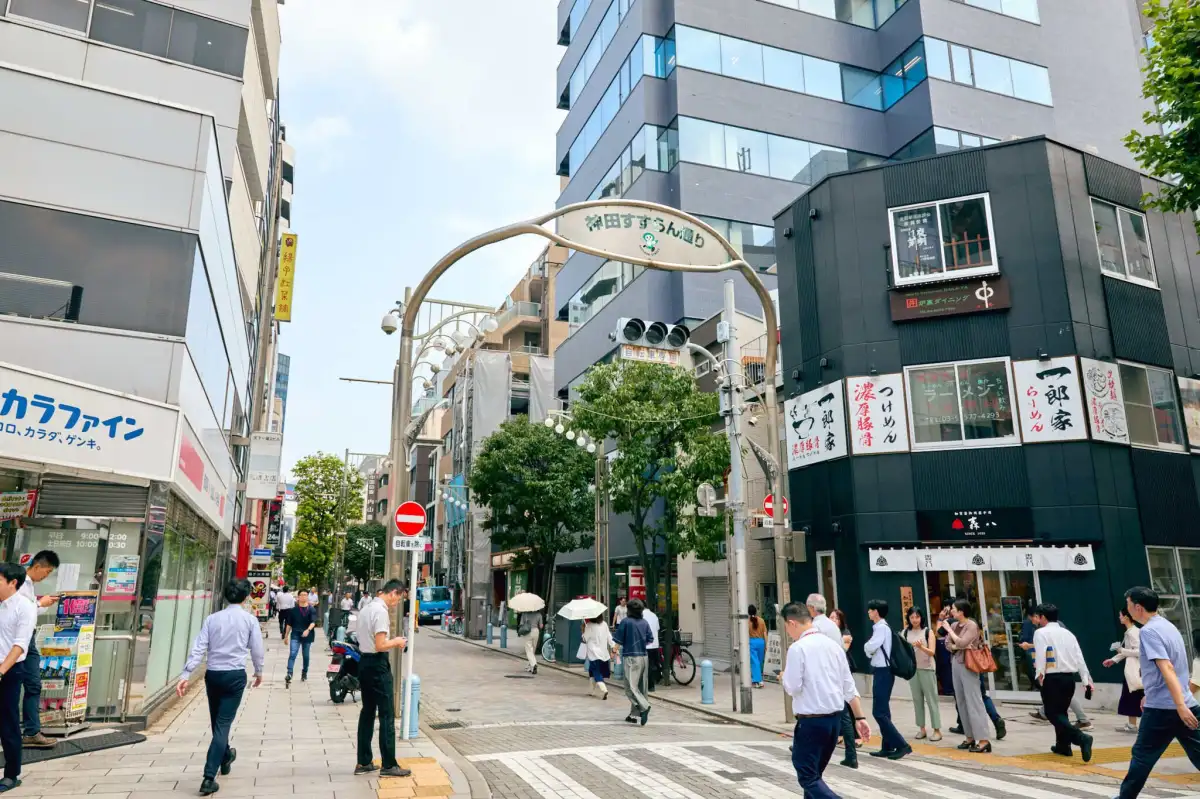
In a move that has placed a historic Tokyo district firmly on the global map, Jimbocho was declared the world's coolest neighbourhood in 2025 by Time Out. This accolade, based on a blend of local insights and editorial expertise, considered factors like culture, community, liveability, and a certain intangible 'nowness'. The enclave, long a haven for intellectuals and bibliophiles, sits adjacent to Tokyo's bustling business centres, offering a unique juxtaposition of quietude and proximity to the city's commercial heart. Its appeal is amplified by diverse attractions, ranging from specialized eateries to a museum dedicated to obsolete media.
Read More: Margaret River Named World's Best Wine Place
KATSUSHIKA'S TORA-SAN MUSEUM OFFERS CULTURAL NOSTALGIA
Further afield, the neighbourhood of Katsushika is gaining traction, largely due to its association with the beloved film character Tora-san. The Tora-san Museum, established in this district, delves into the cinematic creation of this enduring figure, a character described as a "goofy vagabond" who resonates deeply within Japanese culture. The museum highlights director Yoji Yamada's technique of using ordinary locations to capture the essence of the town, offering a tangible link to a cinematic legacy that has largely flown under the radar for international audiences. This 'time-capsule of a town' offers a distinct glimpse into a Japan that exists outside the more commonly depicted urban landscapes.
'OLD TOKYO' DISTRICTS BECKON THE DISCERNING TRAVELLER
Amidst a growing unease about the impact of "TikTok tourists," there's an increased focus on areas within Tokyo's traditional downtown, known as 'shitamachi'. These districts, characterized by their historical and cultural richness, are being championed as destinations offering a more 'authentic' Japanese experience. ==The Tokyo Sakura Tram (Toden Arakawa Line), with its final stop at Minowabashi, is one such area experiencing renewed interest*. These pockets of 'Old Tokyo' are presented as alternatives to the more frequented and heavily documented parts of the sprawling metropolis, appealing to those seeking experiences beyond the superficial.
Read More: Junji Ito Live-Action TV Shows Replace Anime on April 7 2026
Background
Tokyo, a city renowned for its dynamic blend of ultramodernity and deeply rooted traditions, encompasses a vast array of districts, each with its own distinct character. While globally recognised hubs like Shibuya and Shinjuku dominate tourist narratives, a complex tapestry of less visible neighbourhoods offers unique cultural narratives. The classification and perception of these areas are fluid, shaped by media representation, tourism trends, and local perspectives. The emergence of 'coolness' indices and the deliberate promotion of 'authentic' travel highlight a nuanced shift in how urban spaces are valued and consumed.
Read More: Belagavi and Goa Forests Closed Until Monsoon Ends