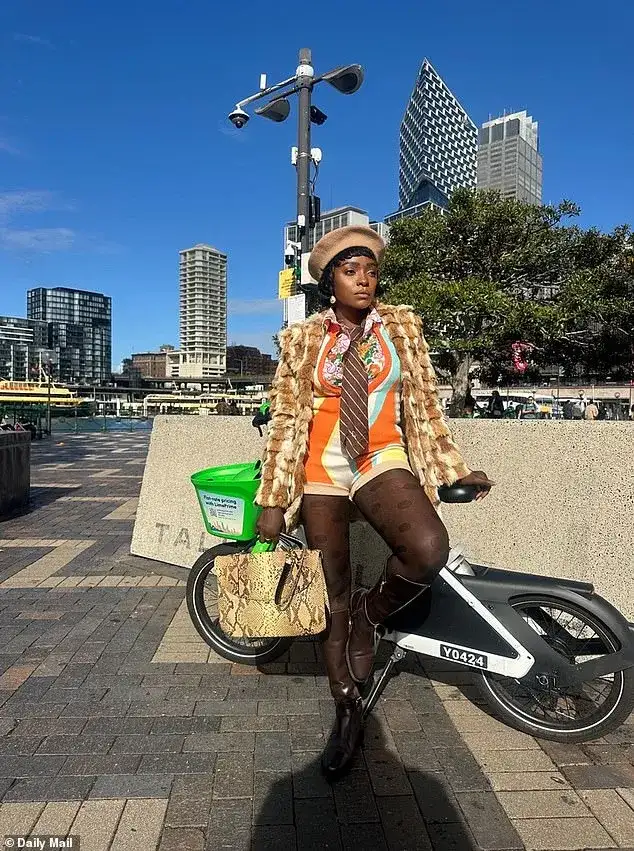
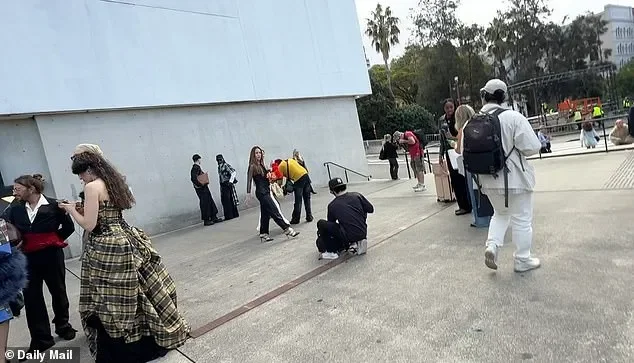
As of May 18, 2026, Australian Fashion Week functions less as an industry trade event and more as a stage for uninvited social actors. Individuals without professional credentials are now spending thousands of dollars to stand outside the event venues, positioning themselves for cameras to simulate participation in an environment they have not been invited to enter.
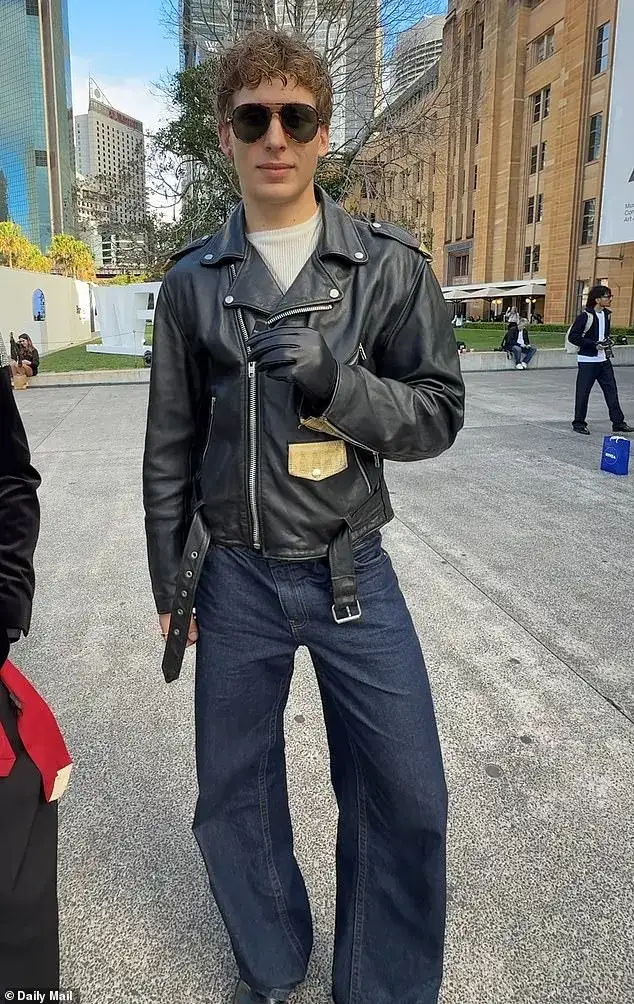
The collapse of the distinction between professional industry access and manufactured social relevance defines the current iteration of the event.
The Mechanism of Exclusion and Exhibition
While the inner circle of designers and editors maintains traditional gatekeeping, the perimeter of the event has been reclaimed by those seeking digital validation.
| Group | Participation Mode | Financial Input | Professional Standing |
|---|---|---|---|
| Industry Veterans | Invitation/Access | Nil (Corporate funded) | Established |
| Social Climbers | Posing/External | High (Personal expense) | Nominal |
The shift indicates a pivot toward 'performative industry presence' where the value lies in the visual record of proximity rather than the content of the collections.
Critics observe that the scarcity of official invitations has birthed a secondary economy of vanity, where the venue exterior is treated as the primary product.
"Content creators attending Fashion Week are not diluting the essence of fashion - rather, they are amplifying it," claims a segment of the industry that views digital reach as the new currency of relevance.
Others suggest that this phenomenon marks a departure from fashion as a vocational pursuit, moving toward an architecture of influence. For personalities like Isaias Vego, whose work is predicated on visible aesthetic assertion, the exclusivity of the event provides a friction that generates more attention than the shows themselves.
Read More: Princess Catherine Wears £750 Roland Mouret Dress to Royal Wedding Today
The Devaluation of Institutional Gatekeeping
Historically, Australian Fashion Week functioned as a closed circuit for industry royalty and designers. The current social fragmentation of the event suggests that the prestige of the physical location is now decoupled from the actual fashion business taking place inside.
This environment fosters a paradoxical reality: the most visible participants—those photographed by street-style media—are frequently the least involved in the actual production or curation of the clothing. By investing personal capital into attire and travel specifically for external display, these actors treat the event not as a marketplace for trade, but as a site for self-canonization within the digital sphere. The resulting scene is an asymmetric spectacle where the audience, not the industry, has become the primary attraction.