Secretary of State Marco Rubio found himself on the defensive before a series of congressional committees this week, fielding sharp questions regarding the ongoing war in Iran and the faltering diplomatic efforts to resolve it. His testimony, the first public appearance before lawmakers since the conflict erupted in late February, was dominated by concerns over the war's endgame, its economic fallout, and the efficacy of the Trump administration's strategy.
==Rubio asserted that Iran has indicated a willingness to negotiate on aspects of its nuclear program previously off-limits, even as Tehran simultaneously declared an end to peace talks and moved to fully blockade the Strait of Hormuz.== This contradictory stance from Iran has fueled skepticism among some lawmakers, particularly as the war, initially pitched as a short-term engagement, grinds on.

Nuclear Ambitions and Shaky Ceasefires
Rubio expressed a degree of optimism regarding the potential resumption of nuclear talks, despite what he acknowledged as a fragile ceasefire that appears increasingly uncertain. He maintained that Iranian negotiators have agreed to discuss nuclear points they previously refused to address, though he refrained from forecasting the potential outcomes of such discussions. He also refuted suggestions that any diplomatic deal under consideration was influenced by pressure from China, while noting that Beijing does raise the issue in its dialogues with the United States.
Read More: Taiwan Holds Nantou County Drills to Prepare for State Collapse
War Powers and Economic Repercussions
The hearings also saw Rubio pressed on the military's targeting criteria in the Iran conflict, with at least one senator, Tim Kaine, questioning whether drug presence on vessels factored into strike decisions. Beyond the immediate conduct of hostilities, lawmakers are also grappling with the broader implications of the war, including its potential impact on gasoline prices for Americans. Furthermore, Rubio's testimony comes amidst a congressional push, reportedly including some Republicans, to curb President Trump’s war powers concerning Iran.
Read More: AFP Reviews War Crime Claims Against Australian in Gaza
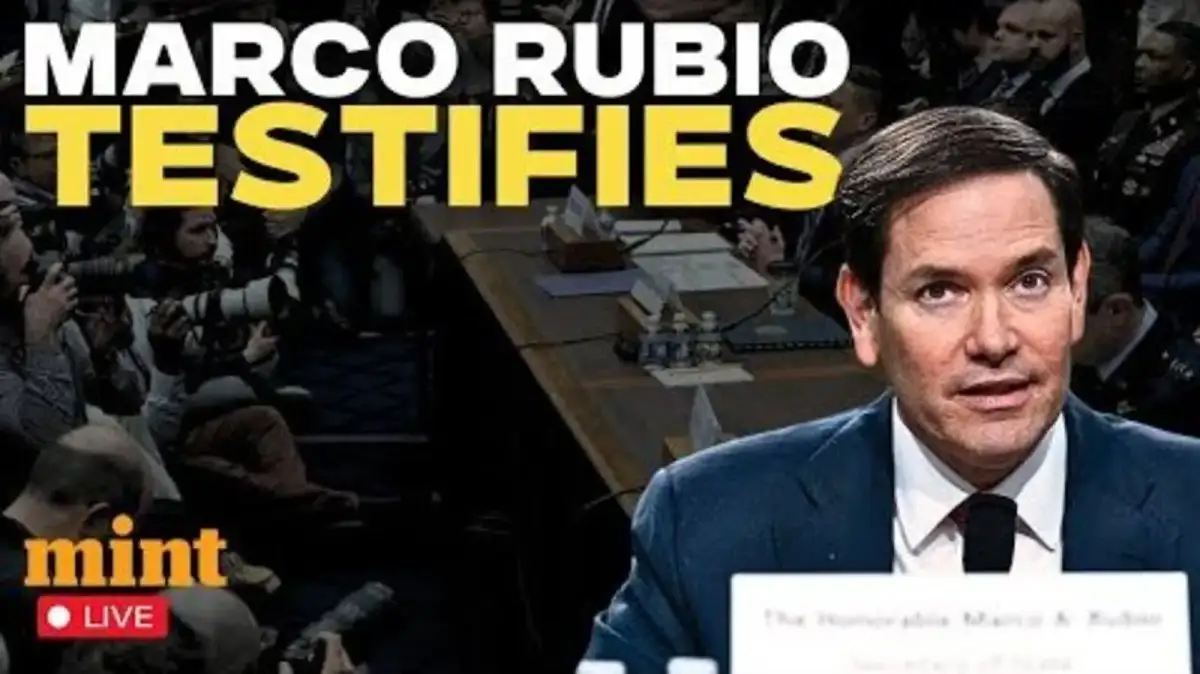
Diplomatic Theater Amidst Escalation
Rubio’s appearances on Capitol Hill followed a report from Iran's state-affiliated Tasnim News Agency, which suggested Tehran would cease communication with Washington via intermediaries, citing Israeli military operations in Lebanon as a violation of the ceasefire. Despite this reported hardening of Iran's position, Rubio continued to characterize a diplomatic deal as being “within reach.” He outlined a two-phase framework for de-escalation that the administration had not previously detailed publicly.
Background: A War Unfolding
The war in Iran commenced in late February, initiated by US and Israeli strikes. Secretary of State Marco Rubio has been a central figure in the administration's diplomatic efforts, engaging in classified briefings with lawmakers shortly after the initial strikes. This week’s public testimony marks a significant moment for his engagement with Congress on the escalating conflict and its far-reaching consequences.
Read More: FBI Analysts Review Georgia 2020 Election Data in Fulton County